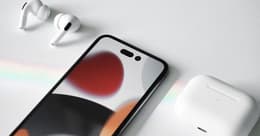
iPhones
Compare models
Differences at a glance
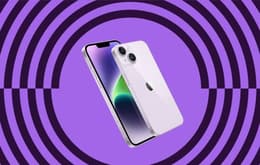
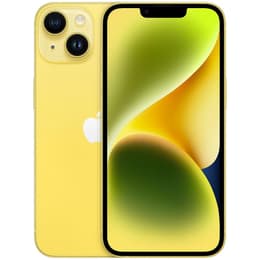
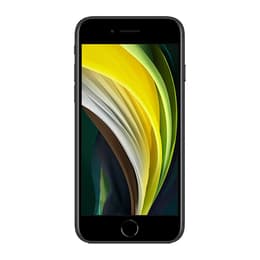
The iPhone 14, launched in 2022, and the iPhone SE (2nd Generation), released in 2020, represent two distinct philosophies in smartphone design and functionality. While the iPhone 14 is a modern flagship featuring an expansive all-screen display and advanced imaging technology, the iPhone SE 2020 serves as a bridge to the past, maintaining the iconic home button and a more pocket-friendly footprint. Both devices run on Apple’s iOS, ensuring access to the same vast library of applications and services, yet they offer distinct experiences in terms of visual immersion, battery longevity, and photographic versatility for the everyday user.
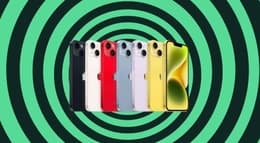
Colour
Storage
When considering how long these devices will remain functional and relevant, the release dates play a pivotal role in their expected software support cycles and physical durability.
Year of Release
Compatible with latest Update
OS
Foldable
The difference in internal hardware between these two models manifests most clearly in how they handle modern, resource-heavy applications and daily multitasking.
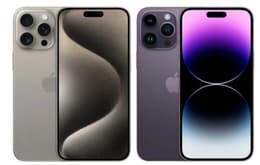
The display is perhaps the most immediate difference a user will notice when holding these two devices side-by-side, affecting everything from reading text to watching movies.
Resolution
Screen type
Photography and video recording have seen substantial advancements between the release of these two models, particularly in challenging lighting conditions.
Main camera
Front camera
Beyond the core specs, several practical features influence how these phones feel and function in a user's daily routine.
Weight
Screen size (in)
Mobile network
SIM card
Carrier compatibility
Connector
Gathering insights from various user forums and community discussions reveals a clear divide in how these devices are perceived by actual owners. The iPhone SE 2020 is frequently praised for its compact size and the familiarity of the home button, with many users expressing a preference for the physical Touch ID sensor. However, a common criticism directed at the SE is its battery life, which many feel has not kept pace with the demands of modern apps. On the other hand, the iPhone 14 receives high marks for its battery longevity and the quality of its OLED screen, though some long-time users mention a slight learning curve when transitioning away from the home button.
In summary, the choice between these two devices depends largely on your daily habits and physical preferences. Users who prioritise a small, lightweight phone that is easy to use with one hand and who prefer a fingerprint sensor will find the iPhone SE 2020 to be a reliable and straightforward choice. Conversely, users who spend a lot of time watching media, taking photos in various lighting conditions, or who simply need a battery that can last through a long day will find the iPhone 14 well-suited to their needs. For those looking to make a sustainable choice, opting for a quality-assured refurbished option is an excellent way to access these technologies. Choosing a refurbished iPhone 14 or SE 2020 serves as an eco-friendly alternative that reduces electronic waste while providing a device that has been thoroughly tested. Ultimately, both phones offer the stability of the iOS platform, with each model catering to different priorities regarding size, interface, and battery life.