iPhone 13 Vs iPhone SE (2020)

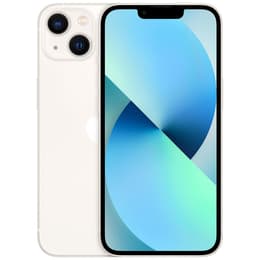
iPhone 13
iPhone 13
Starting at

Refurbished price:£204.00

Versus £599.00 new

See options
iPhone SE (2020)
iPhone SE (2020)
Starting at

Refurbished price:£67.00

Versus £289.00 new

See options

Ratings

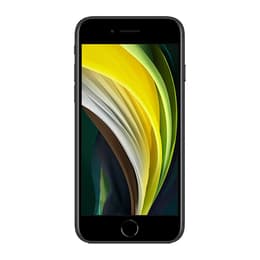
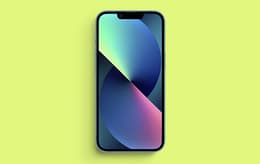
The iPhone 13 (2021) and the iPhone SE (2020) represent two distinct eras of smartphone design and functionality. While the iPhone 13 adopts the modern aesthetic with a nearly borderless display and advanced facial recognition, the iPhone SE (2020) caters to those who prefer the classic layout featuring a physical home button. Both devices operate on the same iOS ecosystem, ensuring a familiar user interface and access to the same applications, yet they differ significantly in their physical footprint, screen technology, and internal capabilities.

Scores

Durability

The age difference between these two models significantly impacts their long-term utility and software support cycles. The release timeline of these devices dictates how long they will remain compatible with the latest features and security updates.

  • Software Longevity: The iPhone 13 was released a year after the SE 2020, meaning it is likely to receive official software updates and security patches for at least one additional year, extending its functional life for those who keep their phones for several years.
  • Build Resilience: While both phones use glass and aluminium, the iPhone 13 features a front cover material designed to be more resistant to cracks and scratches during daily use, and it offers improved water and dust resistance.
  • Repair Access: Both models are widely supported by professional repair services, though the SE 2020 benefits from a long-established internal design that many technicians find straightforward to maintain and service.

Year of Release

2021

2020

Compatible with latest Update

Yes

Yes

OS

iOS

iOS

Foldable

No

No

Performance

Daily tasks and demanding applications reveal the differences in how these devices manage power and processing requirements. The internal hardware of each device determines how smoothly apps run and how long the battery lasts during a typical day.

  • Battery Endurance: The iPhone 13 offers a much larger battery capacity, allowing users to go through a full day of heavy activity without needing a charger, whereas the SE 2020 often requires a top-up by late afternoon for active users.
  • System Fluidity: The internal hardware in the iPhone 13 handles high-resolution video editing and complex gaming with greater ease, providing a more responsive experience during intensive tasks and faster app loading times.
  • Multitasking Capacity: With more temporary memory available, the iPhone 13 can keep more applications open in the background, reducing the time spent waiting for apps to refresh when you switch between them throughout the day.

Memory (GB)

4 GB

3 GB

Screen quality

The viewing experience is one of the most noticeable points of contrast, affecting everything from reading emails to watching films. The display technology and screen size define the visual quality and how much information can be seen at once.

  • Display Technology: The iPhone 13 features an OLED screen that produces deep blacks and high contrast, while the SE 2020 uses an LCD panel that provides natural colours but lacks the same level of visual depth and vibrancy.
  • Visual Clarity: With a higher pixel density and larger physical size, the iPhone 13 makes text appear sharper and provides more room for viewing content compared to the compact screen and larger bezels of the SE 2020.
  • Outdoor Usability: The iPhone 13 display can reach higher peak brightness levels, which makes it significantly easier to see and interact with when used in direct sunlight or bright outdoor environments.

Resolution

1170 x 2532

750 x 1334

Screen type

Super Retina XDR OLED

Retina IPS LCD

Audiovisual

The camera systems and media output capabilities cater to different levels of photographic and entertainment needs. The number of lenses and the processing power behind the cameras influence the quality of photos and videos captured.

  • Photographic Versatility: The iPhone 13 includes an additional ultra-wide lens that allows users to capture more of a scene, whereas the SE 2020 is limited to a single wide-angle camera, making it less flexible for landscapes.
  • Low-Light Capability: A dedicated night mode on the iPhone 13 allows for clear, detailed photos in dark environments, a feature that the SE 2020 lacks, resulting in grainier images when lighting is not ideal.
  • Media Consumption: The iPhone 13 provides a more immersive audio experience with speakers that offer more depth and volume, complementing its larger, more vibrant screen for watching videos or making video calls.

Main camera

12 megapixels

12 megapixels

Front camera

12 megapixels

7 megapixels

Miscellaneous

Practical considerations such as security methods and physical handling play a major role in the daily user experience. The physical design and connectivity options determine how the device feels in the hand and how it connects to the world.

  • Biometric Security: The iPhone 13 uses Face ID for secure unlocking, while the SE 2020 uses Touch ID via the home button, which remains a preferred method for users who find fingerprint scanning more convenient.
  • Connectivity Standards: The iPhone 13 supports 5G networks for faster mobile data speeds, whereas the SE 2020 is restricted to 4G LTE, which may impact future-readiness as mobile networks continue to evolve.
  • Physical Handling: The SE 2020 is smaller and lighter, making it ideal for one-handed use and fitting easily into small pockets, while the iPhone 13 is larger and heavier but offers more screen space.

Weight

173 g

148 g

Screen size (in)

6.1

4.7

Mobile network

5G

4G

SIM card

Physical SIM + eSIM

Physical SIM + eSIM

Carrier compatibility

Unlocked

Unlocked

Connector

Lightning

Lightning

User discussions on community forums indicate that the iPhone SE (2020) remains popular for its portability and the tactile feedback of the home button. However, many users point out that the battery life is a significant trade-off for the smaller size, especially for those who use their phones frequently throughout the day. In contrast, the iPhone 13 is frequently praised for its reliable battery performance and the quality of its display, though some users find the transition to gesture-based navigation and facial recognition takes time to master.

Users who prioritise a compact device that is easy to handle with one hand and who prefer traditional button-based navigation will find the iPhone SE (2020) well-suited to their habits. Those who use their phone heavily for photography, video streaming, or gaming will likely find the iPhone 13 more aligned with their requirements due to its more advanced screen and longer-lasting battery. For those interested in a sustainable choice, opting for a quality-assured refurbished option for either device is an eco-friendly alternative that helps reduce environmental impact. Both smartphones remain capable choices, with the final decision depending on whether you value modern features or classic design.
See all articles

Our recent comparisons