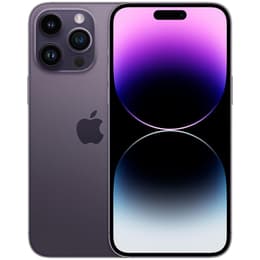


iPhone 14 Pro Max Vs Xiaomi Redmi Note 11 Pro 5G

iPhone 14 Pro Max
iPhone 14 Pro Max
Starting at

Refurbished price:£325.00

Versus £1,199.00 new

See options
Xiaomi Redmi Note 11 Pro 5G
Starting at

Refurbished price:£98.00

Versus £599.00 new

See options

Ratings

The iPhone 14 Pro Max, released in September 2022, represents Apple's flagship smartphone offering, running on the iOS operating system. In contrast, the Xiaomi Redmi Note 11 Pro 5G, launched in January 2022, is a mid-range device powered by Android. These two devices cater to different segments of the smartphone market, primarily differing in their core performance capabilities, camera systems, and software ecosystems.

Scores

Durability

When considering the longevity of these devices, several factors come into play, including software support, physical durability, and repairability.

  • Software Longevity: The iPhone 14 Pro Max, being an Apple device, typically receives iOS updates for approximately 5-6 years from its release. It launched with iOS 16 and has received updates, with iOS 26.3.1 being current as of March 2026, suggesting a long support cycle. The Xiaomi Redmi Note 11 Pro 5G launched with Android 11 and has been updated to Android 13 as of July 2023, with a promise of Android 14. However, it is expected to lose update support in 2025, indicating a shorter software lifespan compared to the iPhone.
  • Physical Durability: The iPhone 14 Pro Max features a Ceramic Shield front, a glass back, and a stainless steel frame, offering IP68 dust and water resistance, allowing submersion up to 6 meters for 30 minutes. User experiences suggest good overall durability, with some reports noting its resilience in drops, though the back glass can be prone to shattering and is costly to repair. The Xiaomi Redmi Note 11 Pro 5G has a glass front (Gorilla Glass 5) and back, with a plastic frame, and offers IP53 dust and splash protection, meaning it can withstand light splashes but not submersion.
  • Repairability: While the iPhone 14 Pro Max is built with premium materials, its internal structure can make repairs, especially for the back glass, challenging and expensive. The Redmi Note 11 Pro 5G's construction may offer a different repair experience, though specific repairability scores are not as widely publicized.

Year of Release

2022

2022

Compatible with latest Update

Yes

No

OS

iOS

Android

Foldable

No

No

Performance

The performance of a smartphone is largely determined by its internal processing power and how efficiently it handles various tasks.

  • Processing Capabilities: The iPhone 14 Pro Max is equipped with a powerful current-generation processor, enabling it to handle demanding applications, complex multitasking, and graphics-intensive games with considerable smoothness and responsiveness. The Xiaomi Redmi Note 11 Pro 5G features a processor designed for efficient everyday use. It capably manages common apps and general multitasking, and is suitable for light to moderately demanding games, though it may show limitations with more graphically intensive titles.
  • System Responsiveness: Users of the iPhone 14 Pro Max generally experience fluid navigation and quick app loading times, indicative of its robust processing power. The Redmi Note 11 Pro 5G provides a responsive user experience for typical smartphone activities, with its performance being consistent for its category.
  • Memory and Storage: The iPhone 14 Pro Max comes with 6GB of RAM and various storage options, contributing to its strong multitasking capabilities. The Redmi Note 11 Pro 5G is available with 6GB or 8GB of RAM and offers expandable storage, which can be beneficial for users who need more space for media and applications.

Memory (GB)

6 GB

6 GB

Screen quality

The display is a primary interface for smartphone interaction, and both devices offer distinct viewing experiences.

  • Display Technology and Clarity: The iPhone 14 Pro Max features a 6.7-inch Super Retina XDR OLED display with a resolution of 2796x1290 pixels, resulting in a pixel density of 460 ppi. This OLED technology delivers deep blacks and vibrant colors, providing a clear and detailed visual experience. The Xiaomi Redmi Note 11 Pro 5G has a 6.67-inch Super AMOLED display with a resolution of 1080x2400 pixels, offering 395 ppi. This AMOLED panel also provides good contrast and vivid colors, suitable for media consumption.
  • Brightness and Refresh Rate: The iPhone 14 Pro Max boasts a typical maximum brightness of 1000 nits, with a peak outdoor brightness of 2000 nits, ensuring excellent visibility even in bright sunlight. It also features ProMotion technology, offering an adaptive refresh rate that can scale from 1Hz to 120Hz for smooth scrolling and power efficiency. The Redmi Note 11 Pro 5G offers a typical brightness of 700 nits and a peak brightness of 1200 nits, which is good for outdoor use. It has a fixed 120Hz refresh rate, providing a smooth visual experience, though it is not adaptive.
  • Special Features: The iPhone 14 Pro Max includes features like Dynamic Island, an always-on display, and HDR support, enhancing its user interface and viewing capabilities. The Redmi Note 11 Pro 5G does not support HDR, which might be a consideration for users who consume HDR content.

Resolution

1290 x 2796

1080 x 2400

Screen type

LTPO Super Retina XDR OLED

Super AMOLED

Audiovisual

Camera capabilities are a significant consideration for many users, and both devices approach photography and videography differently.

  • Rear Camera System: The iPhone 14 Pro Max features a versatile triple camera system, including a 48MP main sensor, a 12MP ultrawide lens, and a 12MP telephoto lens with 3x optical zoom. It also incorporates a LiDAR scanner for improved depth sensing. This setup is known for its strong performance in various lighting conditions, including low light, and offers advanced features like Cinematic mode and ProRes video recording. The Xiaomi Redmi Note 11 Pro 5G comes with a triple rear camera setup, highlighted by a 108MP main sensor, an 8MP ultrawide lens, and a 2MP macro lens. Users generally find its main camera capable of capturing detailed and colorful images in good lighting.
  • Video Recording and Front Camera: The iPhone 14 Pro Max supports 4K video recording at up to 60 frames per second, with advanced stabilization and cinematic effects. Its 12MP front camera also offers high-quality selfies and video calls. The Redmi Note 11 Pro 5G records video at a maximum of 1080p at 30 frames per second, which is a limitation compared to the iPhone. Its 16MP front camera provides adequate results for selfies and video calls.
  • Audio Experience: Both devices are equipped with stereo speakers, providing an immersive audio experience for media consumption. The Redmi Note 11 Pro 5G also retains a 3.5mm headphone jack, offering a traditional wired audio option that the iPhone 14 Pro Max does not.

Main camera

48 megapixels

108 megapixels

Front camera

12 megapixels

16 megapixels

Miscellaneous

Beyond core performance and display, several practical features contribute to the overall user experience of a smartphone.

  • Connectivity and Ports: Both devices support 5G connectivity for fast mobile data. The iPhone 14 Pro Max includes Wi-Fi 6 and Bluetooth 5.3, utilizing a Lightning port for charging and data transfer. The Xiaomi Redmi Note 11 Pro 5G supports Wi-Fi 5 (802.11ac) and Bluetooth 5.1, featuring a more universal USB-C port and a 3.5mm headphone jack.
  • Biometric Security: The iPhone 14 Pro Max relies on Face ID for secure facial recognition. The Redmi Note 11 Pro 5G offers a side-mounted fingerprint sensor and AI Face Unlock for biometric authentication.
  • Design and Handling: The iPhone 14 Pro Max has dimensions of 160.7 mm (height) x 77.6 mm (width) x 7.85 mm (depth) and weighs 240 grams, featuring a stainless steel frame and glass construction. The Redmi Note 11 Pro 5G measures 164.2 mm (height) x 76.1 mm (width) x 8.1 mm (depth) and weighs 202 grams, with a glass front and back, and a plastic frame. Its slightly lighter weight and different dimensions may influence handling for some users.

Weight

120 g

202 g

Screen size (in)

6.7

6.67

Mobile network

5G

5G

SIM card

Physical SIM + eSIM

Dual Physical SIM

Carrier compatibility

Unlocked

Unlocked

User feedback for the iPhone 14 Pro Max frequently highlights its exceptional battery life, powerful performance for demanding tasks, and its high-quality camera system, particularly for photography and advanced video features. The vibrant OLED display and the Dynamic Island feature are also often praised for enhancing the user experience. However, some users express concerns regarding its durability in drops, noting that the back glass can shatter and is expensive to repair.

For the Xiaomi Redmi Note 11 Pro 5G, common praise points include its strong battery life, fast charging capabilities, and its vibrant 120Hz AMOLED display, which offers a smooth visual experience. The inclusion of stereo speakers and a 3.5mm headphone jack are also appreciated by users. Criticisms often revolve around its less powerful performance for intensive applications, the absence of 4K video recording, and the fact that it launched with an older Android version, leading to a shorter expected software update lifespan.

Users prioritizing top-tier performance, advanced camera features, and a long software support window may find the iPhone 14 Pro Max well-suited to their needs. Conversely, individuals who value a smooth display, excellent battery life with fast charging, and a traditional headphone jack, while being content with solid everyday performance, might lean towards the Xiaomi Redmi Note 11 Pro 5G. Both devices offer compelling features for different user profiles, and considering a quality-assured refurbished option can be an eco-friendly alternative for either model.


See all articles

Our recent comparisons