
Compare models
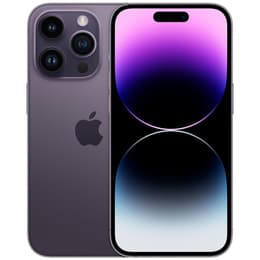
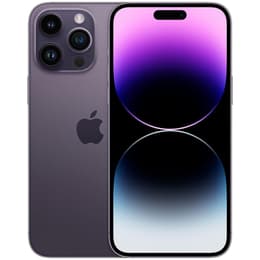
iPhone 14 Pro Vs iPhone 14 Pro Max
- 1-year minimum warranty
- Free delivery on all items
- Free 30-day returns
Differences at a glance
The iPhone 14 Pro and iPhone 14 Pro Max, both released in late 2022, represent the high-end tier of their generation of smartphones. While they share identical internal processing power and camera systems, they cater to different user preferences regarding physical size and battery endurance. Both devices run the same iOS software, ensuring a consistent user experience across the ecosystem with access to the latest features and security updates. Choosing between them primarily involves deciding between a more compact, one-handed form factor and a larger, more immersive display with extended power reserves for demanding days.
Available Models
Colour
Storage (GB)
Scores
Durability
Both models share the same release timeline and internal architecture, leading to identical software support expectations and long-term functional reliability.
- Software Longevity: Both devices are expected to receive major operating system updates for several more years, typically lasting until 2028 or 2029, followed by additional periods of critical security patches.
- Build Quality: Featuring stainless steel frames and specialized glass protection, both models are designed for physical resilience against daily wear and tear.
- Repairability: These devices are designed with professional servicing in mind, allowing for battery and screen replacements that can significantly extend their practical lifespan beyond the initial years of use.
Year of Release
2022
2022
Compatible with latest Update
Yes
Yes
OS
iOS
iOS
Foldable
No
No
Performance
These smartphones deliver highly responsive performance for multitasking and demanding applications, differing only in how long they can sustain that power throughout the day.
- System Responsiveness: Both models handle high-end gaming and intensive video editing tasks with ease, showing no lag when switching between multiple open applications or processing large files.
- Battery Endurance: The iPhone 14 Pro Max features a larger internal battery capacity, providing several additional hours of video playback and web browsing compared to the standard Pro model.
- Multitasking Efficiency: With identical memory configurations, both devices manage background tasks effectively, ensuring that frequently used apps remain ready for immediate use without needing to reload.
Screen quality
The primary distinction between these two devices lies in the physical dimensions and viewing area of their high-resolution, vibrant displays.
- Display Dimensions: The iPhone 14 Pro offers a 6.1-inch screen suitable for comfortable one-handed use, while the Pro Max provides a 6.7-inch canvas for more immersive media consumption and easier document reading.
- Visual Technology: Both use advanced display panels that produce deep blacks and high brightness levels, making them easily readable even in bright outdoor environments.
- Smooth Interaction: Each model features a high refresh rate that adjusts automatically to the content on screen, resulting in fluid scrolling and highly responsive touch input during daily navigation.
Resolution
1179 x 2556
1290 x 2796
Screen type
LTPO Super Retina XDR OLED
Audiovisual
Photography and video capabilities are identical across both models, offering professional-grade tools for capturing high-quality media in various environments.
- Camera System: Both devices feature a triple-lens setup with a high-resolution main sensor that captures intricate detail and natural colours in both bright and low-light conditions.
- Video Recording: Users can record highly stabilised video with smooth transitions, making these devices suitable for both casual family memories and more creative social media projects.
- Audio Experience: The larger frame of the Pro Max allows for slightly more resonant internal speakers, though both provide clear, balanced stereo sound for video calls and media playback.
Main camera
48 megapixels
48 megapixels
Front camera
12 megapixels
12 megapixels
Miscellaneous
Beyond the screen and battery, these devices share modern connectivity standards and physical design elements that impact daily handling.
- Physical Handling: The iPhone 14 Pro is significantly lighter and narrower, whereas the Pro Max requires a more deliberate two-handed grip for most users and takes up more space in a pocket.
- Connectivity and Ports: Both models utilise the same port type for charging and data transfer, and both support current 5G networks for fast mobile data speeds and reliable wireless connections.
- Biometric Security: Face recognition technology is integrated into the interactive area at the top of the screen on both devices, providing secure and quick access to the phone and sensitive apps.
Weight
206 g
120 g
Screen size (in)
6.1
6.7
Mobile network
5G
5G
SIM card
Physical SIM + eSIM
Physical SIM + eSIM
Carrier compatibility
Unlocked
Unlocked
Connector
Lightning
Lightning
What the community thinks
User consensus from various tech forums highlights that the iPhone 14 Pro Max is often preferred by those who prioritise maximum screen real estate and multi-day battery life, though some users find its weight cumbersome for long-term handheld use. Conversely, the iPhone 14 Pro is frequently praised for its ergonomic balance, offering the same high-end features in a more manageable size, despite needing more frequent charging under heavy use. Choosing a quality-assured refurbished option allows users to access these high-performance devices while making a sustainable choice for the environment.
Users who spend significant time watching videos, playing mobile games, or working remotely without easy access to power may find the Pro Max better suited to their needs. Meanwhile, those who value portability, easy one-handed operation, and a device that fits comfortably in smaller pockets will likely prefer the standard Pro model. Both remain powerful, capable smartphones that continue to perform well in the current mobile landscape. Ultimately, the decision rests on whether the user prefers a compact professional tool or a larger, media-centric powerhouse.