Galaxy Tab S8 Ultra (14.6", 2022) Vs iPad Air 7 (2025, M3 series)

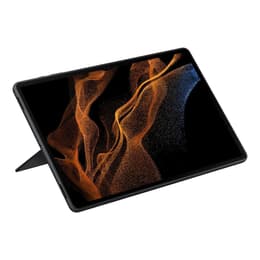
Galaxy Tab S8 Ultra (14.6", 2022)
Starting at

Refurbished price:£423.00

Versus £1,249.00 new

See options
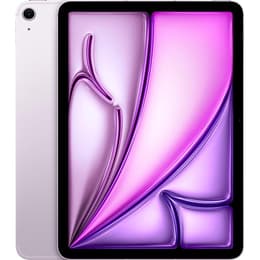
iPad Air 7 (2025, M3 series)
Starting at

Refurbished price:£456.00

Versus £599.00 new

See options

Ratings

The Samsung Galaxy Tab S8 Ultra, released in 2022, and the iPad Air M3, launched in 2025, represent distinct approaches to the tablet experience. While the Tab S8 Ultra offers a significantly larger display and runs on the Android operating system, the iPad Air M3 leverages Apple's powerful M-series chip and iPadOS. These differences cater to varying user preferences, particularly concerning screen real estate, operating system ecosystem, and overall portability.

Scores

Durability

When considering the long-term usability of these tablets, their release timelines and software support are key factors.

  • Software Longevity: The Galaxy Tab S8 Ultra, running Android, was released in 2022 and is expected to receive up to four major Android upgrades, extending its software support for several years. The iPad Air M3, released in 2025 with iPadOS 18, benefits from Apple's reputation for providing long-term software updates, ensuring it remains current for an extended period.
  • Physical Durability: Both devices feature robust builds. The Tab S8 Ultra utilizes an Armor Aluminum body, contributing to its thin yet sturdy profile. The iPad Air M3 also boasts a sleek aluminum design. The Tab S8 Ultra's display is protected by Corning Gorilla Glass 5.
  • Practical Lifespan: Users can expect both tablets to offer a practical lifespan of several years, with the iPad Air M3 potentially having a slight edge in software update duration due to its later release and Apple's consistent update policy.

Year of Release

2022

2025

Compatible with latest Update

Yes

Yes

OS

Android

iPadOS

Performance

The performance of a tablet directly impacts its responsiveness and ability to handle demanding tasks, with both devices offering capable hardware.

  • Processing Power: The Galaxy Tab S8 Ultra is equipped with a powerful processor that allows it to handle demanding applications and multitasking smoothly. The iPad Air M3 features Apple's M3 chip, which provides laptop-level power, enabling it to manage intensive creative and productivity workflows with speed and efficiency.
  • Multitasking and Responsiveness: The Tab S8 Ultra, with its various RAM configurations (8GB, 12GB, 16GB), offers a snappy experience for multitasking, especially when utilizing Samsung's DeX environment. The iPad Air M3, typically with 8GB of RAM, is noted for its excellent everyday performance, with quick and seamless switching between numerous open applications.
  • Battery Behavior: The Tab S8 Ultra houses a large 11,200 mAh battery, providing around 9 to 12 hours of mixed usage, though some users report varied experiences depending on workload. The iPad Air M3 generally offers a reliable battery life of around 10 hours of mixed use, with some tests showing even longer video playback times, though some users have noted inconsistencies in real-world drain.

Memory (GB)

8 GB

8 GB

Screen quality

The visual experience is a primary consideration for tablets, and these two models offer distinct display technologies and sizes.

  • Display Technology and Size: The Galaxy Tab S8 Ultra features a large 14.6-inch Super AMOLED display, known for its deep blacks and vibrant colors, making content look stunning. The iPad Air M3 comes in 11-inch and 13-inch Liquid Retina IPS LCD options, offering clear and color-rich visuals.
  • Resolution and Clarity: The Tab S8 Ultra's screen has a resolution of 2960x1848 pixels, providing a sharp image with approximately 240 pixels per inch. The iPad Air M3 models offer resolutions of 2360x1640 (11-inch) and 2732x2048 (13-inch), both at 264 pixels per inch, ensuring crisp text and detailed images.
  • Brightness and Refresh Rate: Both tablets feature a 120Hz refresh rate on the Tab S8 Ultra, contributing to smooth scrolling and responsive interactions. The iPad Air M3 maintains a standard 60Hz refresh rate, which is generally satisfactory for most tasks, though some users accustomed to higher refresh rates might notice the difference. The Tab S8 Ultra's screen is bright and vibrant, while the iPad Air M3 offers typical brightness levels of 500 nits for the 11-inch and 600 nits for the 13-inch model.

Resolution

1848 x 2960

2360 x 1640

Screen type

Super AMOLED

Liquid Retina display

Pixel density

240ppp

264ppp

Audiovisual

While tablets are not typically primary photography devices, their camera systems are important for video calls and occasional captures.

  • Camera System Configuration: The Galaxy Tab S8 Ultra features a comprehensive camera setup with dual 12MP front cameras (wide and ultrawide) and dual rear cameras (13MP wide and 6MP ultrawide). The iPad Air M3 includes a 12MP rear camera and a 12MP front camera, which is conveniently placed on the landscape edge for video calls.
  • Video Call Performance: Both tablets offer good performance for video conferencing. The Tab S8 Ultra's dual front cameras and auto-framing technology are well-suited for video calls. The iPad Air M3's landscape-oriented front camera with Center Stage technology helps keep users in frame during calls.
  • Photography and Video Quality: The Tab S8 Ultra's cameras are capable of recording video at up to 4K resolution at 60 frames per second. While not designed to replace a smartphone camera, the Tab S8 Ultra's cameras are considered good for a tablet. The iPad Air M3's cameras are solid for a tablet, capable of 4K video recording, and are suitable for scanning documents and general photography.

Miscellaneous

Beyond core specifications, several practical elements contribute to the overall user experience of these tablets.

  • Connectivity and Ports: Both devices support modern connectivity standards, including Wi-Fi 6E and optional 5G for fast wireless internet. They both feature a USB-C port for charging and data transfer. The Tab S8 Ultra also includes a microSD card slot for expandable storage.
  • Biometric Security: The Galaxy Tab S8 Ultra incorporates an in-display fingerprint sensor. The iPad Air M3 utilizes Touch ID integrated into the power button for secure authentication.
  • Design and Handling: The Tab S8 Ultra is notably thin at 5.5mm and weighs 726g, but its large 14.6-inch screen can make it less portable for some users. The iPad Air M3, available in 11-inch and 13-inch sizes, is generally lighter and more compact, with a thickness of 6.1mm, making it easier to carry. The Tab S8 Ultra includes the S Pen in the box, offering a natural writing and drawing experience.

Weight

726 g

460 g

Screen size (in)

14.6

11

Network

Wi-Fi + 5G

Wi-Fi

Carrier compatibility

Unlocked

Without SIM Port

The Samsung Galaxy Tab S8 Ultra and the iPad Air M3 cater to different user needs, primarily distinguished by their operating systems, screen sizes, and ecosystem integrations.

Users frequently praise the Galaxy Tab S8 Ultra for its expansive and vibrant Super AMOLED display, which is ideal for media consumption, digital art, and multitasking with multiple windows. Its included S Pen is also a significant draw for creative professionals and note-takers. However, some users find its large size less portable and have noted mixed experiences with battery life under heavy use.

The iPad Air M3 is often lauded for its powerful M3 chip, delivering exceptional performance for demanding applications and gaming, making it a strong contender for those seeking a capable productivity device. Its integration within the Apple ecosystem and long software support are also frequently highlighted as benefits. Criticisms sometimes revolve around its 60Hz display, which some users feel is a limitation compared to other premium tablets, and occasional reports of battery inconsistencies or heating during intensive tasks.

For individuals prioritizing a vast, immersive display for entertainment and creative work, especially with the included stylus, the Galaxy Tab S8 Ultra may be a suitable choice. Conversely, users who value raw processing power, a robust app ecosystem, and a more compact form factor for productivity and creative tasks might lean towards the iPad Air M3. Both devices offer compelling features, and considering a quality-assured refurbished option can provide an eco-friendly alternative for either model.


See all articles

Our recent comparisons