
Galaxy Tab S8 Ultra (14.6", 2022) Vs iPad 9 (2021, A13 series)

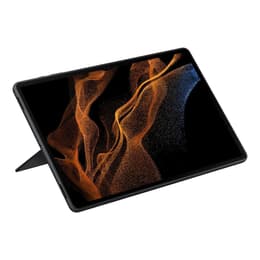
Galaxy Tab S8 Ultra (14.6", 2022)
Starting at

Refurbished price:£423.00

Versus £1,249.00 new

See options
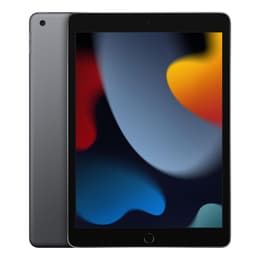
iPad 9 (2021, A13 series)
Starting at

Refurbished price:£157.00

Versus £679.00 new

See options

Ratings

The Samsung Galaxy Tab S8 Ultra, released in 2022, and the Apple iPad (9th Generation), launched in 2021, represent distinct approaches to tablet computing. While both devices offer robust platforms for productivity and entertainment, they cater to different user preferences through their operating systems and hardware philosophies. The Tab S8 Ultra runs on Android, offering a large display and a focus on multitasking, whereas the iPad (9th Gen) operates on iPadOS, providing a more compact form factor and a streamlined user experience. These core differences influence their suitability for various daily tasks.

Scores

Durability

When considering the longevity of these tablets, several factors come into play, including their release timelines, software support, and physical design.

  • Release and Software Support: The Galaxy Tab S8 Ultra, released in February 2022, benefits from Samsung's commitment to several years of Android and security updates, currently running Android 16 with One UI 8. The iPad (9th Gen), released in September 2021, receives consistent iPadOS updates, currently on iPadOS 26.3.1, with Apple typically providing software support for many years. Users can expect both devices to remain functional and secure for a considerable period, with the Tab S8 Ultra potentially receiving updates for a slightly longer duration due to its later release.
  • Repairability and Build: The Galaxy Tab S8 Ultra features an Armor Aluminum body, contributing to its durability despite its thin profile. The iPad (9th Gen) also uses an aluminum back and frame with a glass front. While specific repairability scores can vary, both devices are designed with a certain level of robustness for everyday use.
  • Practical Lifespan: Both tablets are built to offer a practical lifespan of several years, supported by their respective ecosystems. The choice between them for long-term use often comes down to preference for Android's flexibility or iPadOS's consistent performance and app optimization.

Year of Release

2022

2021

Compatible with latest Update

Yes

Yes

OS

Android

iPadOS

Performance

The performance of a tablet is crucial for handling applications, multitasking, and general responsiveness, with both devices offering capable internal components.

  • Processing Power: The Galaxy Tab S8 Ultra is equipped with a powerful current-generation processor, enabling it to handle demanding applications, intensive multitasking, and graphic-rich games smoothly. Users will experience quick app loading and fluid transitions. The iPad (9th Gen) features a capable processor that provides a responsive experience for everyday tasks, web browsing, and a wide range of applications and games.
  • Multitasking and Storage: The Tab S8 Ultra offers various RAM configurations, including options with higher capacities, which can be beneficial for extensive multitasking and running multiple applications simultaneously without slowdowns. Its storage options are generous and expandable via microSD, providing flexibility for large files and media. The iPad (9th Gen) comes with a fixed amount of RAM and storage options that are suitable for most users, though it lacks expandable storage.
  • Battery Behavior: The Galaxy Tab S8 Ultra houses a large battery, designed to power its expansive display and powerful components, typically offering enough charge for a full workday or several hours of video playback. The iPad (9th Gen) is known for its efficient battery management, consistently delivering up to 10 hours of web surfing or video playback, making it a reliable companion for extended use.

Memory (GB)

8 GB

3 GB

Screen quality

The visual experience is a primary differentiator between these two tablets, largely due to their display technologies and sizes.

  • Display Technology and Size: The Galaxy Tab S8 Ultra features a large 14.6-inch Super AMOLED display, offering deep blacks, vibrant colors, and excellent contrast. Its size provides an expansive canvas for creative work, media consumption, and split-screen multitasking. The iPad (9th Gen) has a 10.2-inch Retina IPS LCD display, which delivers clear and bright visuals with accurate color reproduction.
  • Resolution and Brightness: The Tab S8 Ultra's display boasts a high resolution, resulting in sharp images and text, complemented by a 120Hz refresh rate for smooth scrolling and fluid animations. The iPad (9th Gen) offers a resolution that provides crisp visuals at its size, along with 500 nits of brightness and True Tone technology, which adjusts the display's color temperature to match ambient lighting for a more comfortable viewing experience.
  • Viewing Experience: Users who prioritize a large, immersive display for media, drawing, or professional applications will find the Tab S8 Ultra's screen particularly appealing. The iPad (9th Gen) offers a more portable viewing experience, suitable for general use, reading, and casual content consumption.

Resolution

1848 x 2960

2160 x 1620

Screen type

Super AMOLED

Retina display

Pixel density

240ppp

264ppp

Audiovisual

While tablets are not typically primary photography devices, their camera systems are important for video calls, document scanning, and occasional photo capture.

  • Rear Camera Capabilities: The Galaxy Tab S8 Ultra includes a dual rear camera setup with a 13MP wide lens and a 6MP ultrawide lens, offering versatility for different shooting scenarios. The iPad (9th Gen) features an 8MP wide rear camera, capable of capturing clear photos and 1080p video.
  • Front Camera and Video Conferencing: A significant highlight for both devices is their front-facing cameras. The Tab S8 Ultra features dual 12MP front cameras (wide and ultrawide) with auto-framing, making it well-suited for high-quality video calls and selfies. The iPad (9th Gen) boasts a 12MP ultrawide front camera with a 122-degree field of view and Center Stage, which automatically keeps the user in the frame during video calls, a notable upgrade for communication.
  • Audio Experience: The Tab S8 Ultra is equipped with quad stereo speakers, providing rich and loud audio for media consumption. The iPad (9th Gen) offers stereo speakers that deliver clear sound for videos and calls. Both devices include dual microphones for clear audio input during recordings and calls.

Miscellaneous

Beyond core specifications, several practical elements contribute to the overall user experience and differentiate these tablets.

  • Connectivity and Ports: The Galaxy Tab S8 Ultra supports Wi-Fi 6E and Bluetooth 5.2, along with optional 5G connectivity, offering fast and modern wireless capabilities. It features a USB-C 3.2 port for charging and data transfer. The iPad (9th Gen) includes Wi-Fi 5 and Bluetooth 4.2, with optional Gigabit-class LTE models. It retains the Lightning port and a 3.5mm headphone jack, which might be a consideration for users with existing accessories.
  • Stylus and Accessories: The Tab S8 Ultra comes with the S Pen included in the box, offering a low-latency writing and drawing experience. The iPad (9th Gen) supports the first-generation Apple Pencil, which is sold separately, providing precise input for notes and creative tasks. Both tablets also support external keyboards for enhanced productivity.
  • Design and Handling: The Tab S8 Ultra is notably thin and large, weighing around 726-728g, which makes it a substantial device for portability but offers a vast screen area. The iPad (9th Gen) is more compact and lighter, at approximately 487-498g, making it easier to hold for extended periods and more portable. The Tab S8 Ultra also features an in-display fingerprint sensor, while the iPad (9th Gen) uses Touch ID integrated into the home button.

Weight

726 g

498 g

Screen size (in)

14.6

10.2

Network

Wi-Fi + 5G

Wi-Fi + 4G

Carrier compatibility

Unlocked

Unlocked

User feedback for the Galaxy Tab S8 Ultra often highlights its impressive large Super AMOLED display as a major draw, making it ideal for media consumption, drawing, and multitasking. Many users appreciate the included S Pen and the tablet's ability to function as a portable workstation, especially with features like DeX mode and split-screen capabilities. Some common criticisms revolve around its sheer size, which can make it less portable for some, and its battery life, which, while decent, might not always match the expectations for such a large device.

For the iPad (9th Gen), users frequently praise its consistent performance, the robust iPadOS ecosystem with a vast selection of optimized apps, and its reliable battery life. The upgraded front-facing camera with Center Stage is also a well-received feature for video calls. Criticisms often point to its dated design with larger bezels and the continued use of the Lightning port instead of USB-C. Despite this, it is widely regarded as a solid and dependable tablet for general use.

Users prioritizing a large, vibrant display for immersive media, creative work, or extensive multitasking with an included stylus may find the Samsung Galaxy Tab S8 Ultra well-suited to their needs. Conversely, individuals seeking a more compact, highly reliable tablet with a strong app ecosystem and excellent video calling features will likely lean towards the iPad (9th Gen). Both devices offer compelling experiences, and choosing between them depends on individual priorities regarding screen size, operating system preference, and specific use cases. For those looking for a quality-assured refurbished option, both models are available, providing an eco-friendly alternative.
See all articles

Our recent comparisons