
iPad 6 (2018, A10 series) Vs iPad 9 (2021, A13 series)

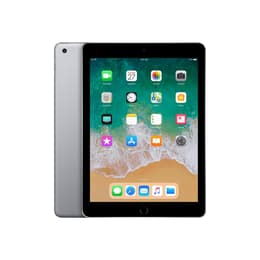
iPad 6 (2018, A10 series)
Starting at

Refurbished price:£53.00

Versus £399.00 new

See options
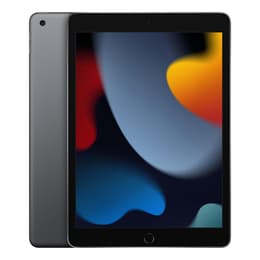
iPad 9 (2021, A13 series)
Starting at

Refurbished price:£157.00

Versus £679.00 new

See options

Ratings

The iPad 2018 (6th generation) and the iPad 2021 (9th generation) are two iterations of Apple's entry-level tablet line, offering a balance of features for general use. While both devices operate on Apple's iPadOS, the 2021 model introduces a more capable processor, an enhanced front-facing camera, and a slightly larger display, building upon the foundation set by its 2018 predecessor.

Scores

Durability

When considering the longevity of these tablets, several factors come into play, including their release dates and Apple's typical software support cycles.

  • Release Timeline: The iPad 2018 was released in March 2018, making it an older device compared to the iPad 2021, which launched in September 2021. This difference in age directly impacts their remaining software support. [4, 12]
  • Software Longevity: The iPad 2018 shipped with iOS 11.3 and is upgradable to iPadOS 17.7.10 as of August 2025, with unofficial support for iPadOS 18 also noted. [4] It is expected to cease receiving major iPadOS updates around iPadOS 17 or 18. [28, 30] The iPad 2021, starting with iPadOS 15, is anticipated to receive major updates until approximately 2027, potentially reaching iPadOS 20. [25, 29]
  • Repairability: Both models received a low repairability score from iFixit, indicating challenges in internal repairs due to adhesive use. However, a notable aspect of both devices is their non-laminated display, which can make replacing a cracked outer glass digitizer less complex and potentially more straightforward than on models with fused displays. [3, 10, 13, 14, 16, 27]

Year of Release

2018

2021

Compatible with latest Update

No

Yes

OS

iPadOS

iPadOS

Maximum Operating System supported

iPadOS 17

iPadOS 18

Performance

The performance capabilities of these iPads are primarily driven by their respective processors and available memory, influencing how smoothly they handle various tasks.

  • Processing Power: The iPad 2018 features an A10 Fusion chip, which provides sufficient power for everyday activities such as web browsing, streaming, and light gaming. [1, 19] The iPad 2021 is equipped with a more advanced A13 Bionic chip, offering a noticeable improvement in speed and responsiveness for demanding applications and multitasking. [3, 18, 20, 22]
  • Multitasking and Responsiveness: With 2GB of RAM, the iPad 2018 handles basic multitasking adequately. [5] The iPad 2021, with 3GB of RAM, provides a smoother experience when switching between multiple applications and running more intensive software. [3, 6]
  • Storage Options: The iPad 2018 was available with 32GB or 128GB of internal storage. [4] The iPad 2021 offers increased base storage, starting at 64GB and going up to 256GB, providing more room for apps, media, and documents. [3, 6, 35]

Memory (GB)

2 GB

3 GB

Processor

Apple A10 Fusion

Apple A13 Bionic

Screen quality

Both iPads feature Retina displays, but the newer model offers a slightly larger viewing area and an additional display technology.

  • Display Technology and Size: The iPad 2018 has a 9.7-inch Retina IPS LCD display with a resolution of 2048x1536 pixels. [1, 5] The iPad 2021 features a 10.2-inch Retina IPS LCD display with a resolution of 2160x1620 pixels, providing a slightly larger screen in a similar form factor. [3, 6] Both maintain a pixel density of 264 pixels per inch (ppi) and a maximum brightness of 500 nits, ensuring clear visuals and adequate visibility in various lighting conditions. [2, 9, 26]
  • True Tone Technology: A key difference is the inclusion of True Tone technology in the iPad 2021, which automatically adjusts the display's color temperature to match the ambient light, offering a more comfortable viewing experience. The iPad 2018 does not have this feature. [2, 3, 18]
  • Display Construction: Neither device features a fully laminated display, meaning there is a small air gap between the glass and the LCD panel. While this can affect the perception of direct interaction with the screen, it can also simplify the replacement of a cracked outer glass. [3, 9, 10, 15, 27]

Resolution

2048 x 1536

2160 x 1620

True Tone

No

Yes

Pro-Motion

No

No

Screen type

Retina display

Retina display

Pixel density

264ppp

264ppp

Brightness

500 nits brightness

500 nits brightness

Sound quality

Speakers

Stereo speakers

Stereo speakers

Audiovisual

The camera systems on these iPads cater to different levels of photography and video conferencing needs, with the iPad 2021 offering significant upgrades, particularly for the front camera.

  • Rear Camera Performance: Both the iPad 2018 and iPad 2021 are equipped with an 8-megapixel wide rear camera, capable of capturing photos and recording 1080p HD video. [5, 6, 26] This camera is suitable for general photography, document scanning, and casual video recording. [15, 19]
  • Front Camera and Video Calls: The iPad 2018 features a 1.2-megapixel front camera, adequate for basic video calls. [5] The iPad 2021 significantly upgrades this to a 12-megapixel Ultra Wide front camera with a 122-degree field of view. This newer camera supports Center Stage, a feature that automatically pans and zooms to keep subjects in frame during video calls, enhancing the experience for remote communication and online learning. [6, 18, 20, 22]
  • Audio Experience: Both models include stereo speakers, providing a consistent audio experience for media consumption and video calls. [2, 5]

Miscellaneous

Beyond core performance, several practical elements differentiate these two iPad models, impacting their usability and compatibility with accessories.

  • Connectivity Standards: Both iPads support Wi-Fi 802.11 a/b/g/n/ac (Wi-Fi 5) and Bluetooth 4.2. [2, 5, 6] While these standards provide reliable wireless connections, the iPad 2021's connectivity is considered somewhat dated compared to newer devices that feature Wi-Fi 6 or newer Bluetooth versions. [21, 23]
  • Physical Ports: Both models retain the Lightning connector for charging and data transfer, along with a 3.5mm headphone jack. [5, 6] This means they are compatible with a wide range of existing accessories that use these ports. [23]
  • Dimensions and Handling: The iPad 2018 has a 9.7-inch display and measures 240 x 169.5 x 7.5mm, weighing 469g for the Wi-Fi model. [5] The iPad 2021, with its 10.2-inch display, is slightly larger at 250.6 x 174.1 x 7.5mm and weighs 487g for the Wi-Fi model. [3, 6] Both maintain a similar thickness, offering a familiar handling experience, though the 2021 model provides a bit more screen real estate. [2, 21]
  • Accessory Compatibility: Both devices support the 1st generation Apple Pencil, making them suitable for note-taking, drawing, and annotation. [4, 6] They also support Apple's Smart Keyboard, expanding their utility for typing tasks. [17, 21]

Weight

469 g

498 g

Width

16.95 cm

17.41 cm

Height

24 cm

25.06 cm

Depth

0.75 cm

0.75 cm

Screen size (in)

9.7

10.2

Network

Wi-Fi

Wi-Fi + 4G

Carrier compatibility

Without SIM Port

Unlocked

Wi-Fi technology

Wi-Fi 6 802.11a/b/g/n/ac

Wi-Fi 6 802.11a/b/g/n/ac

Bluetooth Version

Bluetooth 4.2

Bluetooth 4.2

Face ID

No

No

Touch ID

Yes

Yes

Connector

Lightning connector

Lightning connector

The iPad 2018 and iPad 2021 both offer solid tablet experiences, each with distinct advantages that cater to different user needs. Users generally praise the iPad 2018 for its enduring performance in everyday tasks and its introduction of Apple Pencil support to a more accessible price point. [7, 19] Common criticisms often point to its older design and the non-laminated display, which, while aiding repairability, can feel less premium. [9, 10]

The iPad 2021 is frequently lauded for its significant performance boost, the improved front-facing camera with Center Stage, and the increased base storage, making it a more future-proof option for many. [18, 20, 22, 35] However, some users note its continued use of an older design aesthetic, including larger bezels and the Lightning port, as areas where it lags behind more modern tablets. [17, 23]

Users prioritizing a device for basic tasks like web browsing, media consumption, and light productivity, who also appreciate the option of Apple Pencil support, may find the iPad 2018 well-suited to their needs. Its established capabilities make it a reliable choice for those seeking a functional tablet without the latest features. Conversely, users who require more robust performance for demanding apps, frequent video calls, or who value a slightly larger and more vibrant display with True Tone technology, will likely lean towards the iPad 2021. Its enhanced front camera is particularly beneficial for students and professionals engaged in remote communication.

Both models represent capable tablets within the Apple ecosystem. For those considering either device, exploring quality-assured refurbished options can provide an eco-friendly alternative, extending the life of these products and supporting sustainable consumption.

See all articles

Our recent comparisons