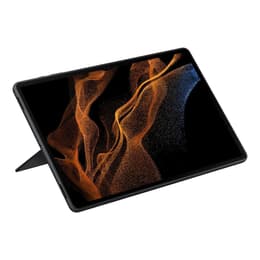
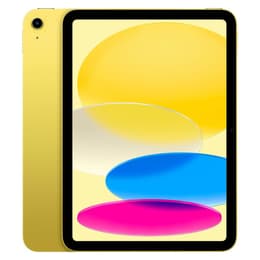

Galaxy Tab S8 Ultra (14.6", 2022) Vs iPad 10 (2022, A14 series)

Galaxy Tab S8 Ultra (14.6", 2022)
Starting at

Refurbished price:£423.00

Versus £1,249.00 new

See options
iPad 10 (2022, A14 series)
Starting at

Refurbished price:£223.00

Versus £349.00 new

See options

Ratings

The Samsung Galaxy Tab S8 Ultra and the Apple iPad 10th Generation, both released in 2022, offer distinct tablet experiences. The Galaxy Tab S8 Ultra operates on Android, featuring a significantly larger display and a focus on multitasking and creative professionals. In contrast, the iPad 10th Generation runs on iPadOS, providing a more compact form factor and a streamlined user experience. These differences cater to varying user needs, from expansive digital workspaces to portable everyday computing.

Scores

Durability

When considering the long-term usability of these tablets, their release timelines and software support policies are key factors.

  • Software Updates: The Samsung Galaxy Tab S8 Ultra, launched in April 2022, was initially promised four years of major Android updates and five years of security updates. Some sources indicate it will receive OS updates up to Android 16 (One UI 8) and security updates until 2027. The iPad 10th Generation, released in October 2022, typically receives major iPadOS updates for five to six years from its launch.
  • Build Quality: The Galaxy Tab S8 Ultra features an Armor Aluminum frame, designed for enhanced durability and resistance to scratches and bending. The iPad 10th Generation also uses an aluminum back and frame with a glass front.
  • Practical Lifespan: Both devices are built to last, with their respective operating systems receiving consistent updates. Users can expect several years of reliable performance from either tablet, with the iPad potentially offering a slightly longer period of major OS updates due to Apple's historical support cycles.

Year of Release

2022

2022

Compatible with latest Update

Yes

Yes

OS

Android

iPadOS

Performance

The performance of these tablets is driven by their respective processors, influencing how smoothly they handle various tasks.

  • Processing Power: The Galaxy Tab S8 Ultra is equipped with a current-generation processor, enabling it to handle demanding applications and multitasking efficiently. The iPad 10th Generation features a capable chip that provides sufficient power for everyday use, including browsing, streaming, and light productivity tasks.
  • Multitasking Capabilities: The Galaxy Tab S8 Ultra is designed with multitasking in mind, supporting features like enhanced Multi-Active Windows and Samsung DeX, which allows for a desktop-like experience. The iPad 10th Generation offers a smooth experience for running multiple apps side-by-side within iPadOS.
  • Storage and Memory: The Galaxy Tab S8 Ultra offers a range of RAM options, up to 16GB, and storage up to 512GB, with the added flexibility of microSD card expansion up to 1TB. The iPad 10th Generation comes with 4GB of RAM and storage options of 64GB or 256GB, without expandable storage.

Memory (GB)

8 GB

4 GB

Screen quality

The visual experience on these tablets differs significantly due to their display technologies and sizes.

  • Display Technology and Size: The Galaxy Tab S8 Ultra boasts a large 14.6-inch Super AMOLED display, offering deep blacks, vibrant colors, and superior contrast levels. The iPad 10th Generation features a 10.9-inch Liquid Retina IPS LCD display, known for its clear and detailed images.
  • Resolution and Refresh Rate: The Tab S8 Ultra has a resolution of 2960 x 1848 pixels and a smooth 120Hz refresh rate, contributing to fluid scrolling and responsiveness. The iPad 10th Generation offers a 2360 x 1640 pixel resolution with a standard 60Hz refresh rate.
  • Brightness and Clarity: The iPad 10th Generation provides up to 500 nits of brightness, suitable for various lighting conditions. The Galaxy Tab S8 Ultra typically reaches around 420 nits, with a peak HDR brightness of 795 nits, making it well-suited for media consumption.

Resolution

1848 x 2960

2360 x 1640

Screen type

Super AMOLED

Liquid Retina display

Pixel density

240ppp

264ppp

Audiovisual

Both tablets offer capable camera systems, though their strengths and intended uses vary.

  • Rear Camera System: The Galaxy Tab S8 Ultra includes a dual rear camera setup with a 13MP wide lens and a 6MP ultra-wide lens, capable of recording 4K video. The iPad 10th Generation features a single 12MP wide rear camera with an f/1.8 aperture, also supporting 4K video recording.
  • Front Camera Performance: The Tab S8 Ultra stands out with dual 12MP front cameras (wide and ultra-wide), positioned on the long edge, making it well-suited for video calls in landscape orientation and capable of 4K video recording. The iPad 10th Generation also features a 12MP ultra-wide front camera, strategically placed on the landscape bezel for improved video conferencing with Center Stage functionality.
  • Audio Quality: The Galaxy Tab S8 Ultra is equipped with quad stereo speakers tuned by AKG and Dolby Atmos support, providing an immersive audio experience. The iPad 10th Generation offers stereo speakers for media consumption.

Miscellaneous

Beyond core specifications, several practical features differentiate these two tablets.

  • Connectivity Standards: Both tablets support 5G connectivity in cellular models and modern Wi-Fi standards. The Galaxy Tab S8 Ultra supports Wi-Fi 6E, offering potentially faster and more stable wireless connections, while the iPad 10th Generation supports Wi-Fi 6. Both also feature Bluetooth 5.2.
  • Ports and Accessories: The Galaxy Tab S8 Ultra includes a USB-C 3.2 port and comes with an S Pen stylus in the box. The iPad 10th Generation features a USB-C 2.0 port and supports the first-generation Apple Pencil (requiring an adapter) and the Apple Pencil (USB-C).
  • Biometric Security and Design: The Tab S8 Ultra incorporates an in-display fingerprint sensor. The iPad 10th Generation integrates Touch ID into its top button for secure authentication. The Galaxy Tab S8 Ultra is notably thinner at 5.5mm and heavier at around 726-728g, compared to the iPad's 7mm thickness and 477-481g weight.

Weight

726 g

477 g

Screen size (in)

14.6

10.9

Network

Wi-Fi + 5G

Wi-Fi

Carrier compatibility

Unlocked

Without SIM Port

User sentiment for the Samsung Galaxy Tab S8 Ultra often highlights its expansive and vibrant Super AMOLED display as a major draw, particularly for media consumption and creative tasks. Its inclusion of the S Pen and robust multitasking features like DeX are frequently praised by those seeking a laptop-like experience from their tablet. Some users, however, find its large size can make it less portable for casual, one-handed use.

The iPad 10th Generation is generally well-regarded for its refreshed design, reliable performance for everyday tasks, and the convenience of its landscape-oriented front camera for video calls. Common feedback points to its solid battery life for typical usage. Some criticisms include its non-laminated display and the fact that it only supports the first-generation Apple Pencil, which requires an adapter for charging.

Users prioritizing a large, high-quality display for entertainment, digital art, or a desktop-like workflow may find the Galaxy Tab S8 Ultra well-suited to their needs. Those who value a more compact, user-friendly tablet for general productivity, video calls, and the extensive app ecosystem of iPadOS might lean toward the iPad 10th Generation. Both devices offer compelling features for different user profiles, and considering a quality-assured refurbished option for either can be an eco-friendly alternative to purchasing new.
See all articles

Our recent comparisons