iPhones
Compare models
Differences at a glance
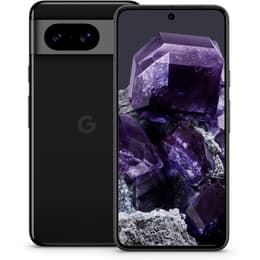
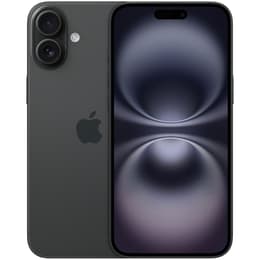
The Google Pixel 8, released in October 2023, and the iPhone 16 Plus, launched in September 2024, represent distinct approaches to the modern smartphone experience. While both devices offer robust performance and advanced camera capabilities, they diverge significantly in their operating system philosophies, display technologies, and battery endurance. The Pixel 8 runs on Android, emphasizing AI-driven features and a compact design, whereas the iPhone 16 Plus operates on iOS, focusing on a larger display and extended battery life.
Colour
Storage
When considering the long-term usability of these devices, their release timelines and software support policies are key factors.
Year of Release
Compatible with latest Update
Foldable
Both smartphones are equipped with powerful internal components designed to handle a variety of tasks, though their real-world performance characteristics cater to slightly different user expectations.
The visual experience on both devices is delivered through high-quality displays, each offering distinct characteristics that influence daily interaction.
Resolution
Screen type
Both smartphones are recognized for their advanced photographic capabilities, employing different strategies to capture high-quality images and videos.
Main camera
Front camera
Beyond their core features, several practical elements differentiate the Google Pixel 8 and iPhone 16 Plus, impacting their overall user experience and daily convenience.
Weight
Screen size (in)
Mobile network
SIM card
Carrier compatibility
The Google Pixel 8 and iPhone 16 Plus each offer compelling features, catering to different user preferences. Users often praise the Pixel 8 for its exceptional camera quality, particularly its computational photography capabilities, and its commitment to seven years of software updates. [19, 21, 23, 36] However, some users have reported concerns regarding its battery life, especially with mobile data usage, and occasional software glitches or build quality issues. [18, 21, 48]
Conversely, the iPhone 16 Plus receives widespread acclaim for its outstanding battery life, often lasting well over a day even with heavy use, and its large, vibrant display. [17, 24, 28, 41, 43] Its camera system is also highly regarded for producing sharp, natural-looking photos and videos. [22, 42] The primary criticism often leveled against the iPhone 16 Plus is its 60Hz display, which some users find less fluid compared to devices with higher refresh rates. [28]
Users prioritizing a compact device with cutting-edge AI features and a long software support window may find the Google Pixel 8 to be a suitable choice. Its advanced camera system excels in various conditions, making it ideal for those who value photographic versatility. On the other hand, individuals who prioritize a large display, exceptional battery endurance, and the consistent performance of the iOS ecosystem will likely prefer the iPhone 16 Plus. It is particularly well-suited for heavy users who need a device that can reliably last through extended periods without charging. Both models are available as quality-assured refurbished options, providing an eco-friendly alternative for consumers.