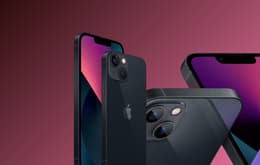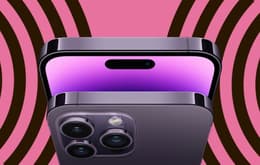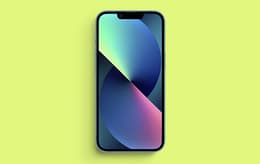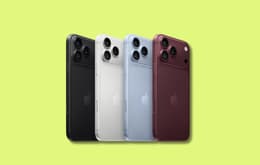

iPhone 13 Vs iPhone 13 Pro

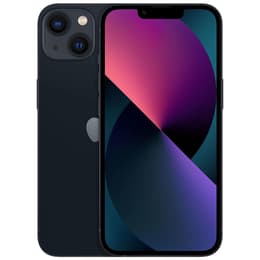
iPhone 13
iPhone 13
Starting at

Refurbished price:£193.00

Versus £599.00 new

See options
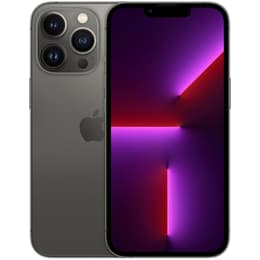
iPhone 13 Pro
iPhone 13 Pro
Starting at

Refurbished price:£224.00

Versus £949.00 new

See options

Ratings

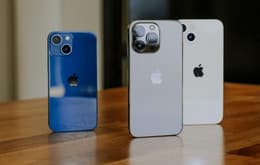
The iPhone 13 and iPhone 13 Pro, both released in late 2021, remain prominent choices in the smartphone market. While they share the same foundational design and core operating system, they cater to different user priorities through variations in display technology and camera capabilities. Both devices currently run the latest version of iOS, ensuring a consistent software experience across the two models. This comparison explores the practical differences between these two devices to help you determine which one aligns with your specific daily requirements.

Scores

Durability

The iPhone 13 and iPhone 13 Pro share a similar release timeline, meaning their expected software support and overall longevity are closely aligned.

  • Software Longevity: Both models are expected to receive regular operating system updates for several more years, typically lasting six to seven years from their initial launch date. This ensures that users of either device will continue to have access to the latest security features and app compatibility for the foreseeable future.
  • Physical Resilience: While both devices feature Ceramic Shield fronts for improved drop protection, the iPhone 13 Pro utilises a stainless steel frame compared to the aluminium frame of the iPhone 13. In practical terms, the Pro model is more resistant to structural bending, though the iPhone 13 is lighter and may be less prone to impact damage from its own weight during a fall.
  • Repairability: Both smartphones follow a similar internal architecture, making them equally accessible for common repairs such as battery replacements or screen fixes at professional service centres.

Year of Release

2021

2021

Compatible with latest Update

Yes

Yes

OS

iOS

iOS

Foldable

No

No

Performance

While both devices provide a smooth experience for everyday tasks, the iPhone 13 Pro offers additional hardware headroom that benefits specific types of power users.

  • Multitasking Efficiency: The iPhone 13 Pro is equipped with additional temporary memory, which allows it to keep more applications open in the background without needing to refresh them. This is particularly noticeable for users who frequently switch between demanding apps like video editors, navigation tools, and social media platforms.
  • Storage Flexibility: Users with high data needs will find more options with the Pro model, which was available in higher capacity tiers including a one-terabyte version. The standard iPhone 13 provides ample storage for most users, but those who record significant amounts of high-resolution video may prefer the higher limits of the Pro.
  • System Responsiveness: In daily use, both phones handle web browsing, messaging, and streaming with ease. However, the Pro model's internal configuration allows it to maintain peak performance slightly longer during intensive gaming sessions or when processing large files.

Memory (GB)

4 GB

6 GB

Screen quality

The display is one of the most significant areas of divergence between these two models, affecting how users interact with their content on a minute-to-minute basis.

  • Motion Smoothness: The iPhone 13 Pro features advanced refresh rate technology that allows the screen to update up to 120 times per second. This results in much smoother scrolling and more fluid animations compared to the standard 60Hz display on the iPhone 13. Users who spend a lot of time reading long articles or playing fast-paced games will notice a significant difference in visual comfort.
  • Outdoor Visibility: The Pro model is capable of reaching higher peak brightness levels, which makes the screen easier to read when used directly under bright sunlight. While the iPhone 13 display is clear and vibrant in most environments, the Pro provides that extra bit of clarity for outdoor photography or navigation.
  • Visual Depth: Both devices use OLED technology, providing deep blacks and high contrast. This makes watching movies or viewing photos an immersive experience on either device, with accurate colour reproduction across the board.

Resolution

1170 x 2532

1170 x 2532

Screen type

Super Retina XDR OLED

Super Retina XDR OLED

Audiovisual

The camera systems represent the primary functional difference, with the Pro model offering a more versatile toolkit for photography enthusiasts.

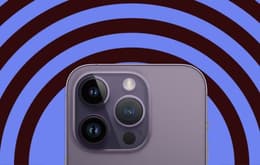
  • Optical Zoom and Versatility: The iPhone 13 Pro includes a dedicated telephoto lens, allowing users to zoom in on distant subjects without losing image quality. The standard iPhone 13 relies on digital zoom, which can result in less detail. Additionally, the Pro model features a specialised sensor for faster focusing in dark environments and improved depth sensing for portraits.
  • Macro Photography: A unique feature of the Pro model is its ability to take extremely close-up photos of small objects, such as flowers or textures, using the ultra-wide lens. The standard iPhone 13 does not have this macro capability, making the Pro a better fit for those who enjoy detailed nature or product photography.
  • Video and Audio Recording: Both phones record high-quality video with excellent stabilisation and clear stereo sound. However, the Pro model supports more advanced video formats that retain more detail for those who like to edit their footage later. For standard video calls and social media clips, both devices perform exceptionally well.

Main camera

12 megapixels

12 megapixels

Front camera

12 megapixels

12 megapixels

Miscellaneous

Beyond the core specifications, the physical handling and connectivity of these two devices offer distinct experiences for the user.

  • Weight and Handling: The iPhone 13 is notably lighter than the Pro model due to its aluminium construction. Users who prefer a device that is easy to hold for long periods or those who carry their phone in a pocket may find the standard model more comfortable. The Pro model feels more substantial and heavy in the hand, which some users associate with a more solid build.
  • Connectivity Standards: Both devices support 5G connectivity, ensuring fast mobile data speeds where available. They also feature the same charging port and wireless charging capabilities, making them compatible with a wide range of existing accessories and cables.
  • Biometric Security: Both models utilise facial recognition technology for secure unlocking and payments. This system is equally fast and reliable on both devices, providing a seamless way to access the phone without typing a passcode.

Weight

173 g

203 g

Width

7,15 cm

7,15 cm

Height

13,676 cm

14,67 cm

Depth

0,75 cm

0,76 cm

Screen size (in)

6.1

6.1

Mobile network

5G

5G

SIM card

Physical SIM + eSIM

Physical SIM + eSIM

Carrier compatibility

Unlocked

Unlocked

Connector

Lightning

Lightning

Public sentiment regarding these two devices often highlights the balance between simplicity and advanced features. Users on community forums frequently praise the iPhone 13 for its lighter weight and reliable battery life, noting it as a practical choice for those who want a dependable smartphone without unnecessary complexity. Conversely, the iPhone 13 Pro is often lauded for its exceptionally smooth screen and the versatility of its zoom lens, though some users mention the increased weight as a trade-off.

Users who prioritise a lightweight device for everyday communication, social media, and casual photography will find the iPhone 13 to be a highly capable companion. Its performance remains snappy for modern apps, and its battery life is well-suited for a full day of standard use. On the other hand, users who frequently engage in mobile photography, gaming, or heavy multitasking will likely appreciate the enhancements found in the iPhone 13 Pro. The smoother display and additional camera lens provide a more flexible experience for those who use their smartphone as a primary creative tool.

Choosing a quality-assured refurbished option for either of these models is an eco-friendly alternative that helps reduce electronic waste. By opting for a sustainable choice, you can access these high-performing devices while contributing to a more circular economy. Ultimately, the decision rests on whether the advanced display and camera features of the Pro model align with your personal usage habits or if the streamlined efficiency of the standard model meets your needs.
See all articles

Our recent comparisons