iPhone 12 Pro Vs iPhone 13

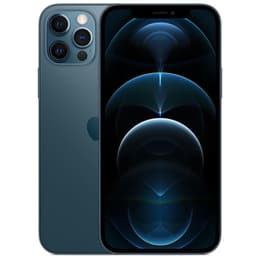
iPhone 12 Pro
iPhone 12 Pro
Starting at

Refurbished price:£204.00

Versus £879.00 new

See options
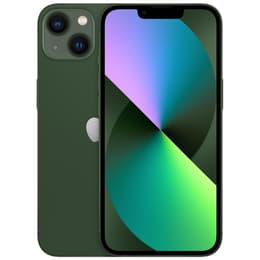
iPhone 13
iPhone 13
Starting at

Refurbished price:£188.00

Versus £599.00 new

See options

Ratings

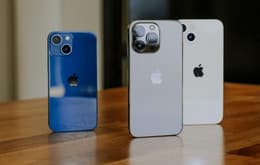
The iPhone 12 Pro, launched in late 2020, and the iPhone 13, released in late 2021, represent two distinct generations of Apple's smartphone evolution. While they share a similar physical footprint and core design language, they cater to slightly different user priorities through their internal hardware and camera configurations. The iPhone 12 Pro was originally positioned as a high-end professional device, whereas the iPhone 13 arrived a year later as the standard flagship model, inheriting several advancements from the previous year's premium tier.

Both devices run on the same iOS operating system, providing a consistent and familiar user interface with access to a vast ecosystem of applications and services. The primary differences between these two models lie in their battery efficiency, camera features, and physical build materials. This comparison explores how these factors influence daily usage to help you decide which device better aligns with your specific needs and lifestyle.

Scores

Durability

When considering the longevity of these two smartphones, the release dates play a significant role in determining how long they will receive official software support and security updates.

  • Software Support Timeline: The iPhone 13 was released one year after the iPhone 12 Pro, which typically means it will receive iOS updates for an additional year. While both devices are currently well-supported, users who intend to keep their phone for five years or more may find the iPhone 13 offers a slightly longer functional lifespan. Choosing a quality-assured refurbished option is a practical way to access these durable devices while contributing to a more circular economy.
  • Repairability and Maintenance: Both models share a similar internal structure, making them relatively straightforward for professional technicians to service. Common repairs, such as battery replacements or screen fixes, are widely supported by third-party providers. The iPhone 12 Pro features a stainless steel frame which is highly resistant to structural bending, while the iPhone 13 uses a durable aluminium frame that is also built to withstand several years of regular handling.

Year of Release

2020

2021

Compatible with latest Update

Yes

Yes

OS

iOS

iOS

Foldable

No

No

Performance

Performance in these devices is defined by how smoothly they handle multitasking, demanding applications, and overall system responsiveness during a full day of use.

  • Multitasking and Memory: The iPhone 12 Pro is equipped with a higher amount of temporary memory compared to the iPhone 13. This extra capacity allows the device to keep more applications open in the background simultaneously, which is beneficial for users who frequently switch between complex work apps, social media, and web browsers without experiencing app restarts.
  • Battery Efficiency and Daily Tasks: The iPhone 13 features a more modern internal architecture that prioritises energy efficiency. In real-world scenarios, this results in a battery that typically lasts longer during continuous tasks like video streaming or GPS navigation. While the iPhone 12 Pro handles heavy tasks with ease, the iPhone 13 is often noted for its ability to maintain power throughout a long day of varied usage, making it a reliable companion for commuters and travellers.

Memory

6 GB

4 GB

Screen quality

Both smartphones feature 6.1-inch displays using organic light-emitting diode technology, which provides deep blacks and high contrast for an immersive viewing experience.

  • Brightness and Outdoor Visibility: The iPhone 13 offers a higher typical brightness level compared to the iPhone 12 Pro. This makes the screen easier to read when used outdoors under direct sunlight, which is a practical advantage for users who often check messages or take photos in bright environments. The iPhone 12 Pro remains very clear, but the iPhone 13 provides that extra bit of visibility for challenging lighting conditions.
  • Visual Clarity and Smoothness: Both devices share the same resolution, ensuring that text looks sharp and images appear detailed. They also operate at a standard refresh rate, providing a consistent level of smoothness when scrolling through lists or navigating the interface. Whether you are watching high-definition videos or reading long articles, both screens deliver a high-quality visual experience that remains competitive with more recent releases.

Resolution

1170 x 2532

1170 x 2532

Screen type

Super Retina XDR OLED

Super Retina XDR OLED

Audiovisual

The camera systems represent one of the most significant areas of divergence between these two models, focusing on different photographic strengths.

  • Versatility and Zoom: The iPhone 12 Pro features a triple-lens system, including a dedicated telephoto lens for optical zooming. This allows users to capture distant subjects with greater clarity without relying on digital cropping. It also includes a light-sensing scanner that assists with faster focusing in low-light conditions and enhances augmented reality applications, making it a strong choice for photography enthusiasts who value technical flexibility.
  • Video Innovation and Stabilisation: The iPhone 13 introduces a cinematic video mode that automatically shifts focus between subjects to create a professional-looking depth effect. Additionally, it incorporates an advanced sensor-shift stabilisation system that was previously exclusive to the largest Pro models. This technology helps to keep photos and videos steady even if your hands are moving, which is particularly useful for capturing clear shots while walking or in low-light settings.

Main camera

12 megapixels

12 megapixels

Front camera

12 megapixels

12 megapixels

Miscellaneous

Beyond the core specifications, the physical build and connectivity options of these devices impact how they feel in the hand and how they connect to the world.

  • Build Materials and Weight: The iPhone 12 Pro is constructed with a surgical-grade stainless steel frame, giving it a heavier and more substantial feel. In contrast, the iPhone 13 uses aerospace-grade aluminium, which makes the device noticeably lighter. Users who prefer a lightweight phone that is easier to hold for extended periods may lean toward the iPhone 13, while those who appreciate a denser, more traditional feel may prefer the 12 Pro.
  • Connectivity and Sensors: Both smartphones are fully compatible with 5G networks, ensuring fast data speeds where coverage is available. They also feature secure facial recognition for unlocking the device and authorising payments. Both models utilise a proprietary charging port and support magnetic wireless charging, allowing for easy attachment of various accessories like wallets and portable power banks.

Weight

187 g

173 g

Screen size (in)

6.1

6.1

Network

5G

5G

SIM card

Physical SIM + eSIM

Physical SIM + eSIM

Carrier compatibility

Unlocked

Unlocked

Connector

Lightning

Lightning

In summary, the choice between the iPhone 12 Pro and the iPhone 13 depends largely on which specific features align with your daily habits. Public sentiment on user forums often highlights the iPhone 13 for its impressive battery life and the creative potential of its cinematic video mode. Conversely, the iPhone 12 Pro is frequently praised for its premium stainless steel finish and the inclusion of a telephoto lens, which remains a vital tool for those who take many portrait or distance photos. Some users have noted that the iPhone 13's lighter weight makes it more comfortable for one-handed use over long durations.

Users who prioritise photographic versatility and a more substantial build will likely find the iPhone 12 Pro to be the more suitable option. Meanwhile, those who value maximum battery endurance and a slightly longer window of software support may find the iPhone 13 to be the better fit for their needs. Both models are widely available as eco-friendly alternatives, allowing users to make a sustainable choice without compromising on the core smartphone experience. Ultimately, both devices remain highly capable and responsive, providing a high-quality experience for any modern smartphone user.

See all articles

Our recent comparisons