
Compare models

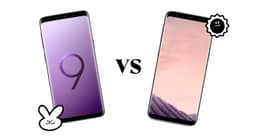
Galaxy S9 Vs iPhone 8

  • 1-year minimum warranty
  • Free delivery on all items
  • Free 30-day returns
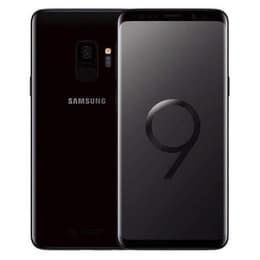
Galaxy S9
Galaxy S9
Starting at

Refurbished price:£97.00

Versus £499.00 new

See options
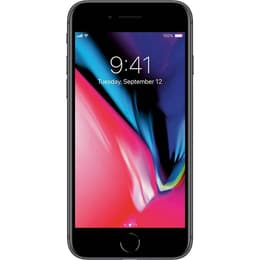
iPhone 8
iPhone 8
Starting at

Refurbished price:£67.00

Versus £249.00 new

See options

Differences at a glance

The Samsung Galaxy S9, released in 2018, and the iPhone 8, launched in 2017, represent two distinct eras of smartphone design and philosophy. While the Galaxy S9 features a modern, nearly bezel-less look with a curved display, the iPhone 8 retains the classic home button design that many users find familiar and intuitive. These devices operate on different ecosystems—Android for the Samsung and iOS for the Apple—offering unique software experiences tailored to different user preferences. Choosing between them involves weighing the importance of screen immersion against compact simplicity and long-term software familiarity.

Scores

Durability

The Galaxy S9 and iPhone 8 differ significantly in their software lifecycles and physical resilience, impacting how long they remain functional for the average user.

  • Software Longevity: The iPhone 8 received official iOS updates for several years, reaching iOS 16, which provides a broad range of app compatibility even today. The Galaxy S9 concluded its major software journey with Android 10, though it continued to receive security patches for a period afterward.
  • Physical Build and Repair: Both smartphones utilize a glass-and-metal construction that requires careful handling. The iPhone 8's flat screen is often considered easier to protect with standard screen protectors, whereas the Galaxy S9's curved edges are more exposed but offer a more modern aesthetic.
  • Practical Lifespan: For users seeking a sustainable choice, a quality-assured refurbished option of either model can extend the device's utility. The iPhone 8 generally offers a longer functional life for app support, while the Galaxy S9 remains a sturdy choice for basic communication and media tasks.

Year of Release

2018

2017

Compatible with latest Update

No

No

OS

Android

iOS

Foldable

No

No

Performance

In everyday use, both the Galaxy S9 and iPhone 8 provide responsive experiences for standard applications like messaging, browsing, and social media.

  • System Responsiveness: The iPhone 8 is known for its smooth animations and quick app launching, benefiting from highly optimized software. The Galaxy S9 offers a versatile multitasking experience, allowing users to run two apps simultaneously on its larger screen without significant slowdown.
  • Battery and Charging: The Galaxy S9 houses a larger battery capacity which typically supports a full day of moderate use, while the iPhone 8's smaller battery is designed for efficiency in a compact frame. Both support wireless charging, a convenient feature for keeping the device powered throughout the day.
  • Storage Flexibility: Users who store large amounts of photos or offline media may prefer the Galaxy S9, as it includes a slot for expandable storage. The iPhone 8 relies on fixed internal storage, requiring users to manage their files more closely or utilize cloud services.

Memory (GB)

4 GB

2 GB

Screen quality

The viewing experience is perhaps the most noticeable difference between these two smartphones, catering to very different visual priorities.

  • Display Technology: The Galaxy S9 uses an OLED panel that delivers deep blacks and high contrast, making it well-suited for watching videos or viewing photos. The iPhone 8 utilizes a high-quality LCD screen that provides natural color reproduction and consistent brightness across the entire panel.
  • Resolution and Detail: With a significantly higher pixel density, the Galaxy S9 offers sharper text and more intricate details when viewing high-resolution content. The iPhone 8 provides a clear and legible display that is comfortable for reading and general navigation, though it lacks the extreme sharpness of its competitor.
  • Size and Ergonomics: The 5.8-inch screen of the Galaxy S9 provides an immersive experience for media consumption, while the 4.7-inch screen of the iPhone 8 makes it one of the most pocketable and easy-to-use devices with one hand.

Resolution

1440 x 2960

750 x 1334

Screen type

Super AMOLED

Retina IPS LCD

Audiovisual

Both devices were designed to capture high-quality memories and provide a solid multimedia experience for their respective generations.

  • Photography Performance: The Galaxy S9 features a camera with a physical variable aperture, which helps it capture clearer photos in low-light environments by letting in more light. The iPhone 8 is praised for its consistent point-and-shoot reliability, producing images with balanced exposure and realistic skin tones in daylight.
  • Video Capabilities: Both smartphones are capable of recording 4K video, providing plenty of detail for home movies or social media content. The Galaxy S9 offers more advanced slow-motion features, while the iPhone 8 provides excellent video stabilization for smooth handheld recording.
  • Audio Experience: Each device features stereo speakers that provide a clear and loud audio output for videos and calls. The Galaxy S9 includes a traditional headphone jack, allowing for a direct connection to wired headphones without the need for an adapter.

Main camera

12 megapixels

12 megapixels

Front camera

8 megapixels

7 megapixels

Miscellaneous

Beyond the core specs, several practical features define the daily handling and security of the Galaxy S9 and iPhone 8.

  • Biometric Security: The iPhone 8 uses a front-facing fingerprint sensor integrated into the home button, which is widely regarded for its speed and reliability. The Galaxy S9 offers multiple options, including a rear-mounted fingerprint scanner and an iris scanner for hands-free unlocking.
  • Connectivity and Ports: The Galaxy S9 uses a USB-C port for charging and data transfer, which is the modern standard for most electronics. The iPhone 8 uses the Lightning port, which is compatible with a wide range of Apple-specific accessories and docks.
  • Dimensions and Weight: The iPhone 8 is notably lighter and thinner, appealing to users who prefer a device that disappears into a pocket. The Galaxy S9 is slightly taller and heavier but uses its footprint efficiently to provide a much larger screen area.

Weight

163 g

148 g

Width

6,87 cm

6,73 cm

Height

14,77 cm

13,84 cm

Depth

0,85 cm

0,73 cm

Screen size (in)

5.8

4.7

Mobile network

4G

4G

SIM card

Dual Physical SIM

Physical SIM

Carrier compatibility

Unlocked

Unlocked

Connector

USB-C + Jack 3.5mm

Lightning

What the community thinks

When looking at user feedback from various tech communities, the Galaxy S9 is frequently celebrated for its vibrant display and the inclusion of the headphone jack, which remains a valued feature for many. However, some users note that the battery life can diminish over years of heavy use, requiring more frequent charging. The iPhone 8 is often lauded for its compact size and the longevity of its software support, though its design is sometimes criticized for having large borders around the screen compared to more modern devices.

Users who prioritize media consumption, high-resolution displays, and the ability to expand storage will likely find the Galaxy S9 to be the more suitable choice. Its immersive screen and versatile camera make it a strong companion for entertainment. On the other hand, users who value a compact form factor, a simple and intuitive interface, and longer-term app compatibility will likely lean toward the iPhone 8. Both devices remain functional and capable for everyday tasks, and choosing an eco-friendly alternative like a sustainable choice from a refurbishment specialist ensures these electronics continue to provide value while reducing environmental impact. Ultimately, the decision rests on whether you prefer the expansive, feature-rich approach of the Galaxy S9 or the streamlined, reliable experience of the iPhone 8.