
iPhones
Compare models
Differences at a glance
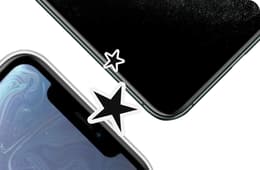
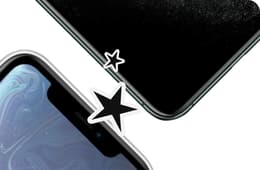
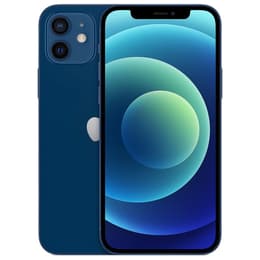
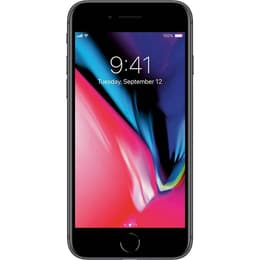
The iPhone 12, released in 2020, and the iPhone 8, launched in 2017, represent two distinct eras of smartphone design and functionality. While both devices run on Apple's iOS ecosystem, they offer vastly different user experiences due to the three-year gap in their release dates. The iPhone 12 introduced a modern, all-screen aesthetic and 5G connectivity, whereas the iPhone 8 maintains the classic design featuring a physical home button and a smaller footprint.
Choosing between these two models involves weighing the importance of contemporary features against the familiarity of traditional hardware. The iPhone 12 provides a more expansive viewing area and advanced photography tools, while the iPhone 8 remains a functional choice for those who prefer a compact device for essential daily tasks. This comparison explores how these differences impact real-world usage in 2026.
Colour
Storage (GB)
The age difference between these two models significantly impacts their expected lifespan and software compatibility in the current year.
Year of Release
Compatible with latest Update
OS
Foldable
Performance differences become most apparent when handling modern, resource-intensive applications and multitasking between various tasks.
The display technology marks one of the most significant visual departures between these two generations of smartphones.
Resolution
Screen type
Photography and video capabilities have evolved considerably, with the iPhone 12 offering a more versatile array of tools for capturing memories.
Main camera
Front camera
Practical features and physical design choices influence how each device feels and functions in a user's daily routine.
Weight
Width
Height
Depth
Screen size (in)
Mobile network
SIM card
Carrier compatibility
Connector
In summary, the choice between the iPhone 12 and the iPhone 8 depends largely on a user's technical requirements and design preferences. Based on common user feedback, the iPhone 8 is frequently praised for its compact size and the reliability of the Touch ID sensor, making it a favourite for those who value simplicity and a smaller form factor. However, some users note that its battery life and screen size feel restrictive by modern standards. The iPhone 12 receives consistent praise for its vibrant OLED display, fast 5G connectivity, and impressive camera performance, though some users mention the transition to Face ID and the larger physical size as adjustments to consider.
Users who prioritize long-term software support, high-quality photography, and a modern viewing experience will likely find the iPhone 12 to be the more suitable option. Conversely, users who primarily use their phone for basic communication and prefer the traditional home button interface may find the iPhone 8 meets their needs perfectly. Choosing a sustainable choice like a quality-assured refurbished device is an excellent way to acquire either model while supporting environmental conservation. Ultimately, both devices remain functional tools, with the iPhone 12 serving as a more future-proof investment and the iPhone 8 acting as a straightforward, classic alternative.