Compare models
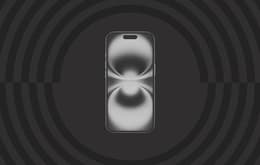
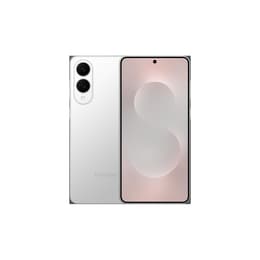
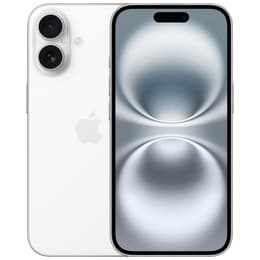
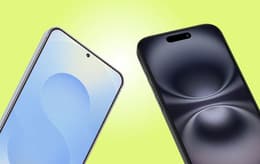
Galaxy S25 Edge Vs iPhone 16
- 1-year minimum warranty
- Free delivery on all items
- Free 30-day returns
Differences at a glance
The Samsung Galaxy S25 Edge (2025) and the Apple iPhone 16 (2024) represent two distinct approaches to contemporary smartphone design within the flagship tier. While the Galaxy S25 Edge emphasizes an exceptionally slim profile and an expansive screen layout running on Android, the iPhone 16 delivers Apple's streamlined ecosystem experience through iOS inside a more compact daily format. These two devices differ primarily in physical dimensions, software environments, and hardware philosophies, catering to distinct user preferences.
Available Models
Colour
Storage
Scores
Durability
Both smartphones are built to remain functional and secure for years, though their software update frameworks and hardware construction diverge in practical ways.
- Software lifecycle: The iPhone 16 benefits from Apple's long-standing support record, ensuring regular system updates for many years, whereas the Galaxy S25 Edge relies on a multi-year update commitment typical of modern Android flagships.
- Build resilience: The Galaxy S25 Edge utilizes a titanium frame paired with reinforced glass protection, while the iPhone 16 employs an aluminum and color-infused glass structure designed for everyday durability.
- Repair framework: Both manufacturers provide structured repair programs and diagnostic support, helping extend the practical lifespan of each device through component replacements when necessary.
Year of Release
2025
2024
Compatible with latest Update
Yes
Yes
Foldable
No
No
Performance
Handling everyday demands, demanding mobile games, and background multitasking, both devices offer high levels of system responsiveness.
- Multitasking and memory: The Galaxy S25 Edge includes generous RAM configurations to keep numerous background applications active simultaneously, while the iPhone 16 optimizes hardware and software integration to maintain smooth operation under heavy loads.
- Energy management: The Galaxy S25 Edge features a slim profile that houses a more modest battery capacity, meaning heavy users may need midday recharges, whereas the iPhone 16 balances its battery size efficiently to comfortably survive a standard day of mixed use.
- Storage capacity: Both models provide ample baseline storage options for apps, photos, and media files, accommodating diverse user storage habits without requiring immediate cloud offloading.
Screen quality
Visual immersion and panel characteristics shape how users interact with media, read documents, and view photos outdoors.
- Panel technology and size: The Galaxy S25 Edge features a larger 6.7-inch AMOLED display with high resolution, compared to the 6.1-inch OLED screen on the iPhone 16, offering more workspace for productivity tasks.
- Outdoor legibility: Both screens reach high peak brightness levels, ensuring content remains clear and readable even under direct sunlight.
- Motion and clarity: Each display delivers sharp text rendering and smooth scrolling performance for web browsing, social media feeds, and video playback.
Resolution
1440 x 3120
1179 x 2556
Audiovisual
Capturing everyday moments and recording video involves different sensor configurations and processing styles on each device.
- Camera hardware setup: The Galaxy S25 Edge incorporates an ultra-high-resolution main sensor alongside an ultra-wide lens, while the iPhone 16 deploys a dual-lens system paired with a dedicated physical control button for rapid photo capture.
- Video and audio handling: The iPhone 16 offers advanced studio-quality audio capture and stable cinematic recording options, whereas the Galaxy S25 Edge focuses on high-detail zooming and versatile color reproduction.
- Media consumption: Built-in stereo speakers on both smartphones deliver clear audio output for hands-free calls, podcasts, and casual video watching.
Front camera
12MP
12 megapixels
Miscellaneous
Practical everyday features, connectivity standards, and physical handling characteristics define how these phones fit into daily routines.
- Physical profile: The Galaxy S25 Edge stands out for its remarkably thin titanium build, offering a distinct feel in the hand, while the iPhone 16 maintains a traditional, easily manageable footprint.
- Connectivity and ports: Both models support widespread 5G networks, fast Wi-Fi standards, and modern Bluetooth protocols, utilizing universal USB-C connectors for charging and data transfer.
- Biometric security: The Galaxy S25 Edge relies on an under-display fingerprint sensor and facial recognition, while the iPhone 16 uses facial recognition exclusively for secure unlocking and authentication.
Weight
163 g
170 g
Screen size (in)
6.7
6.1
Mobile network
5G
5G
SIM card
Physical SIM + eSIM
Physical SIM + eSIM
Carrier compatibility
Unlocked
Unlocked
Connector
USB-C
USB-C (USB 2)
What the community thinks
Deciding between the Samsung Galaxy S25 Edge and the Apple iPhone 16 depends heavily on individual software preferences and hardware priorities. Users who prefer expansive display real estate, an ultra-slim physical profile, and the customization depth of Android will find the Galaxy S25 Edge well-suited to their daily routines. Conversely, users who favor a compact device footprint, seamless integration with macOS and other Apple hardware, and the streamlined interface of iOS will lean toward the iPhone 16. Neither device imposes a universal standard, meaning that lifestyle habits and platform familiarity should guide the final choice.
For those exploring eco-friendly alternatives, choosing a quality-assured refurbished option from Back Market provides a sustainable way to acquire either model while reducing electronic waste.