Samsung
Compare models
Differences at a glance
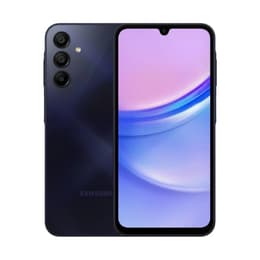
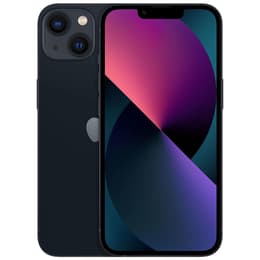
The Samsung Galaxy A15 5G (2024) and the Apple iPhone 13 (2021) represent two distinct approaches to the modern smartphone experience. While the Galaxy A15 5G is a contemporary entry-level device designed for modern connectivity, the iPhone 13 remains a powerful former flagship with a focus on premium features and integrated software. The primary differences lie in their operating systems—Android 14 for the Samsung and iOS for the Apple—and their physical dimensions, catering to different user preferences for size and ecosystem.
Colour
Storage (GB)
The Galaxy A15 5G and iPhone 13 offer distinct lifespans based on their release dates and manufacturer support policies, with both remaining viable for several years to come.
Year of Release
Compatible with latest Update
OS
Foldable
While both devices handle everyday tasks with ease, they prioritise different aspects of the user experience regarding speed, multitasking, and power efficiency.
The viewing experience differs significantly between these two models, particularly in terms of physical size and how motion is displayed on the screen.
Resolution
Screen type
Photography and media playback are handled differently by each device, reflecting their original positions in the market and their specific hardware configurations.
Main camera
Front camera
Beyond the core specifications, several practical features influence how these devices feel and function during daily interactions and travel.
Weight
Screen size (in)
Mobile network
SIM card
Carrier compatibility
The choice between the Galaxy A15 5G and the iPhone 13 often comes down to a preference for specific features versus overall ecosystem integration. According to user discussions on various tech forums, the iPhone 13 is frequently praised for its exceptional video quality and the seamless way it works with other Apple products. However, some users note that its smaller screen and slower charging speeds can be limiting for heavy media consumers. On the other hand, the Galaxy A15 5G receives positive feedback for its impressive battery life and the inclusion of a 90Hz refresh rate, which many find makes the interface feel more modern and responsive during navigation. Common criticisms for the Galaxy model often centre on its slower performance during intensive gaming compared to flagship-tier devices.
Users who prioritise a large screen for media consumption, long-lasting battery life, and the flexibility of expandable storage will find the Galaxy A15 5G to be a practical choice. Conversely, those who value high-end video recording, a more compact design, and a long history of reliable software performance may lean toward the iPhone 13. For those looking to make a sustainable choice, both devices are available as quality-assured refurbished options, which serve as an eco-friendly alternative to buying new. Ultimately, both smartphones remain capable choices in 2026, providing reliable connectivity and modern features for a wide range of daily needs.