iPhone 16 Vs iPhone 16 Pro

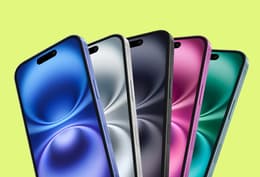
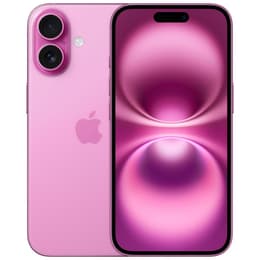
iPhone 16
iPhone 16
Starting at

Refurbished price:£484.00

Versus £699.00 new

See options
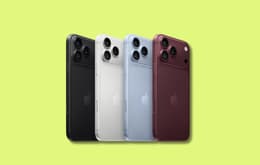
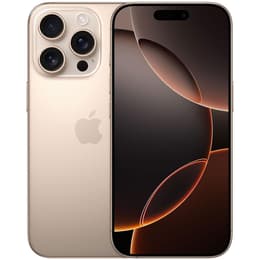
iPhone 16 Pro
iPhone 16 Pro
Starting at

Refurbished price:£560.00

Versus £999.00 new

See options

Ratings

The iPhone 16 and iPhone 16 Pro, both released in September 2024, represent Apple's latest smartphone offerings, catering to different user needs within the same generation. While they share the foundational iOS 18 operating system and a similar design language, the Pro model introduces advanced display technology, a more sophisticated camera system, and enhanced performance capabilities that differentiate it from the standard iPhone 16.

Scores

Durability

Both the iPhone 16 and iPhone 16 Pro are designed for extended usability, benefiting from Apple's consistent software support and robust build quality.

  • Software Longevity: Apple typically provides at least five years of security updates and major iOS versions for its iPhone models, meaning both the iPhone 16 and iPhone 16 Pro are expected to receive software support well into the future, likely until at least September 2029.
  • Build Materials: The iPhone 16 features an aerospace-grade aluminum frame with a color-infused glass back, offering a balance of durability and a lighter feel. The iPhone 16 Pro, conversely, utilizes a titanium alloy frame, which is known for its strength, lighter weight, and corrosion resistance, paired with a textured matte glass back and Ceramic Shield front cover for enhanced scratch and drop protection.
  • Practical Lifespan: Users can expect both devices to perform reliably for several years, with the choice between them largely depending on whether the Pro's more advanced materials and features align with individual usage patterns and preferences for long-term device resilience.

Year of Release

2024

2024

Compatible with latest Update

Yes

Yes

Foldable

No

No

Performance

Performance is a key differentiator, with both models offering capable processing power but the Pro variant providing additional headroom for more demanding tasks.

  • Processing Power: The iPhone 16 is equipped with the A18 chip, while the iPhone 16 Pro features the A18 Pro chip. Both chips are built on a 3nm process, offering efficiency and speed improvements over previous generations. The A18 Pro in the Pro model includes a more capable GPU (6-core vs. 5-core) and an upgraded Neural Engine, which translates to smoother performance in graphics-intensive applications and advanced AI features.
  • Multitasking and Responsiveness: Both models come with 8GB of RAM, which supports efficient multitasking and smooth operation across various applications. However, the A18 Pro's enhanced capabilities mean the iPhone 16 Pro handles sustained heavy workloads, such as intensive gaming or professional video editing, with greater ease and less thermal throttling.
  • Storage Options: Both devices offer a range of storage capacities, typically starting from 128GB and extending to 1TB for the Pro models, providing ample space for apps, photos, and videos.

Memory (GB)

8 GB

8 GB

Screen quality

The display experience varies between the two models, with the iPhone 16 Pro offering several enhancements for visual fidelity and responsiveness.

  • Display Technology and Size: Both the iPhone 16 and iPhone 16 Pro feature Super Retina XDR OLED displays, delivering deep blacks and vibrant colors. The iPhone 16 has a 6.1-inch display, while the iPhone 16 Pro features a slightly larger 6.3-inch display. Both maintain a pixel density of 460 ppi, ensuring sharp text and images.
  • Refresh Rate and Smoothness: A key difference lies in the refresh rate. The iPhone 16 maintains a standard 60Hz refresh rate, which is suitable for everyday use. The iPhone 16 Pro, however, includes ProMotion technology, offering an adaptive refresh rate up to 120Hz. This results in noticeably smoother scrolling, more fluid animations, and a more responsive experience, particularly in gaming and fast-paced content.
  • Brightness and Features: Both models offer a peak brightness of 2000 nits for HDR content, ensuring good visibility in various lighting conditions. The iPhone 16 Pro also features an Always-On display, allowing users to view essential information like time and notifications without fully waking the screen. Additionally, the Pro models benefit from thinner display bezels, contributing to a more immersive viewing experience.

Resolution

1179 x 2556

1206 x 2622

Screen type

Super Retina XDR OLED

LTPO Super Retina XDR OLED

Audiovisual

The camera systems on the iPhone 16 and iPhone 16 Pro cater to different levels of photographic ambition, with the Pro model offering a more versatile and advanced setup.

  • Main Camera System: The iPhone 16 features a dual-camera system with a 48-megapixel main sensor and a 12-megapixel ultrawide lens, arranged vertically to enable spatial video recording. The iPhone 16 Pro elevates this with a 48-megapixel main camera that includes a larger sensor for improved light capture, a 48-megapixel ultrawide lens, and a 12-megapixel telephoto lens with 5x optical zoom, utilizing a tetraprism design.
  • Photography Features: Both models offer improved low-light performance, but the Pro's larger main sensor and 48MP ultrawide lens contribute to sharper, more detailed images, especially in challenging lighting. The iPhone 16 gains macro photography capabilities and spatial video recording. The iPhone 16 Pro further benefits from features like an anti-lens flare coating and the ability to capture photos in ProRAW format and videos in ProRes, offering greater flexibility for professional-grade editing.
  • Video Recording: While both provide high-quality video, the iPhone 16 Pro supports 4K video recording at up to 120 frames per second, allowing for more detailed slow-motion footage, a feature not available on the standard model. Both devices include a 12-megapixel TrueDepth front-facing camera for selfies and video calls.

Main camera

48 megapixels

48 megapixels

Front camera

12 megapixels

12 megapixels

Miscellaneous

Beyond core features, several practical elements contribute to the overall user experience and differentiate the iPhone 16 and iPhone 16 Pro.

  • Connectivity and Ports: Both models feature a USB-C port for charging and data transfer. However, the iPhone 16 supports USB 2.0 speeds, while the iPhone 16 Pro offers faster USB 3 data transfer rates, which is beneficial for quickly moving large files like high-resolution photos and videos. The Pro model also supports Wi-Fi 7, providing faster and more reliable wireless connectivity compared to the standard model's Wi-Fi capabilities.
  • Physical Controls and Sensors: A notable addition to both the iPhone 16 and iPhone 16 Pro is the Action Button, which is customizable to perform various functions, and a new Camera Control button, designed to mimic a DSLR shutter button for intuitive photo and video capture. Both devices continue to utilize Face ID for secure authentication.
  • Dimensions and Materials: The iPhone 16 is slightly lighter due to its aluminum construction, while the iPhone 16 Pro, with its titanium frame, offers a different tactile experience and enhanced durability. The iPhone 16 measures 147.6 x 71.6 x 7.8mm and weighs 170g, whereas the iPhone 16 Pro is slightly larger at 149.6 x 71.5 x 8.25mm and weighs 199g.

Weight

170 g

199 g

Screen size (in)

6.1

6.3

Mobile network

5G

5G

SIM card

Physical SIM + eSIM

Physical SIM + eSIM

Carrier compatibility

Unlocked

Unlocked

Connector

USB-C (USB 2)

USB-C (USB 3)

User feedback often highlights the iPhone 16 as a significant upgrade for those coming from older models, praising its improved camera, the inclusion of the Action Button, and the capable A18 chip. Common praise points for the iPhone 16 Pro revolve around its advanced camera system, particularly the 5x telephoto lens and 48MP ultrawide, the smoother 120Hz ProMotion display, and the robust titanium build. Some users note that while the iPhone 16 offers many premium features, the absence of a high refresh rate display can be a point of contention for those accustomed to it.

Users prioritizing a solid, reliable smartphone experience with excellent photography capabilities for everyday use will find the iPhone 16 well-suited to their needs. Its upgraded camera, new physical buttons, and efficient performance make it a strong choice for general users, students, or those who value a slightly lighter device. Conversely, users who engage in more demanding tasks such as mobile gaming, professional photography or videography, or require the absolute smoothest visual experience will likely prefer the iPhone 16 Pro. Its advanced display, more versatile camera array, faster data transfer speeds, and enhanced processing power cater to power users and creative professionals. Both models offer a compelling experience, and for those seeking an eco-friendly and quality-assured alternative, refurbished options provide a sustainable choice.

See all articles

Our recent comparisons