
Google Pixel 8 Pro Vs iPhone 13 Pro Max

Google Pixel 8 Pro
Google Pixel 8 Pro
Starting at

Refurbished price:£253.00

Versus £960.91 new

See options
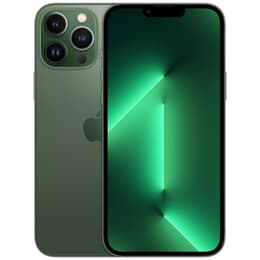
iPhone 13 Pro Max
iPhone 13 Pro Max
Starting at

Refurbished price:£272.00

Versus £1,259.00 new

See options

Ratings

The Google Pixel 8 Pro (2023) and the iPhone 13 Pro Max (2021) represent two distinct approaches to the flagship smartphone experience. While the Pixel 8 Pro is a more recent entry into the market, focusing heavily on integrated artificial intelligence and a versatile camera system, the iPhone 13 Pro Max remains a highly capable device known for its consistent performance and exceptional battery endurance. Both handsets cater to users who prefer large-format displays and high-end features, though they operate on different software ecosystems—Android for the Pixel and iOS for the iPhone.

Choosing between these two models involves weighing the benefits of the Pixel's modern software features against the iPhone's established reputation for hardware efficiency. This comparison explores how each device handles daily tasks, photography, and long-term use to help you determine which one aligns best with your personal requirements and lifestyle.

Scores

Durability

When evaluating how long these devices will remain functional and secure, the release dates and manufacturer support policies play a significant role in their expected lifespan.

  • Software Support Timeline: The Pixel 8 Pro was launched with a commitment to seven years of operating system and security updates, which could keep the device current until 2030. In contrast, the iPhone 13 Pro Max typically follows a six to seven-year support cycle from its 2021 release, meaning its period of official software updates may conclude several years earlier than the Pixel's.
  • Physical Durability and Repair: Both smartphones utilize high-quality glass and metal constructions with water and dust resistance ratings. The Pixel 8 Pro is designed with modern repairability in mind, offering easier access to internal components for common fixes like battery or screen replacements compared to older flagship designs.
  • Long-term Reliability: The iPhone 13 Pro Max has a proven track record of maintaining smooth operation over several years, while the Pixel 8 Pro relies on its newer internal architecture to ensure it can handle future software demands without slowing down.

Year of Release

2023

2021

Compatible with latest Update

Yes

Yes

Foldable

No

No

Performance

Performance in these devices is defined by how smoothly they handle multitasking, demanding applications, and daily interactions without noticeable lag or heat.

  • System Responsiveness: The Pixel 8 Pro is engineered to prioritise smart features such as real-time voice transcription and automated call handling, ensuring the interface remains fluid even when background processes are active. The iPhone 13 Pro Max is widely recognised for its ability to maintain high frame rates in mobile games and provide a seamless experience when switching between multiple heavy apps.
  • Memory and Multitasking: With a higher amount of internal memory, the Pixel 8 Pro is well-equipped to keep many applications open simultaneously. The iPhone 13 Pro Max uses its memory very efficiently, allowing for quick app launches and stable performance during intensive tasks like high-definition video editing.
  • Battery Behaviour: Users often find that the iPhone 13 Pro Max offers some of the most consistent battery life in its class, particularly during standby or video playback. The Pixel 8 Pro provides a full day of usage for most people, though its battery consumption can vary more depending on the use of its advanced AI-driven features.

Memory (GB)

12 GB

6 GB

Screen quality

Both smartphones feature expansive 6.7-inch displays that use advanced panel technology to provide an immersive viewing experience for media and productivity.

  • Display Technology and Brightness: The Pixel 8 Pro features a "Super Actua" display that can reach very high peak brightness levels, making it exceptionally clear and easy to read even in direct, bright sunlight. The iPhone 13 Pro Max uses a Super Retina XDR display that provides excellent colour accuracy and deep blacks, which is ideal for watching high-quality films.
  • Refresh Rates: Both devices incorporate adaptive refresh rate technology that can scale up to 120Hz. This ensures that scrolling through social media feeds or navigating menus feels incredibly smooth, while the rate can drop when the screen is static to help conserve battery power.
  • Visual Clarity: The Pixel 8 Pro offers a slightly higher pixel density, resulting in very sharp text and fine details. The iPhone 13 Pro Max provides a balanced and natural visual profile that many users find comfortable for long periods of reading or browsing.

Resolution

1344 x 2992

1284 x 2778

Screen type

LTPO OLED

Super Retina XDR OLED

Audiovisual

The camera systems on these two flagships are designed to capture professional-quality photos and videos in a wide variety of lighting conditions.

  • Zoom and Versatility: The Pixel 8 Pro includes a dedicated telephoto lens with 5x optical zoom, allowing users to capture clear details from a significant distance. The iPhone 13 Pro Max offers a 3x optical zoom, which is well-suited for portraits and closer subjects but has less reach for distant photography.
  • Video Recording: The iPhone 13 Pro Max is frequently praised for its industry-standard video stabilisation and natural sound recording, making it a favourite for content creators. The Pixel 8 Pro counters with advanced video processing tools that can improve the lighting and clarity of recorded clips after they have been filmed.
  • Low-Light Photography: Both phones excel at taking photos in dark environments. The Pixel often produces images with more visible detail in the shadows, while the iPhone focuses on maintaining a realistic atmosphere and accurate skin tones in challenging lighting.

Main camera

50 megapixels

12 megapixels

Front camera

10.5 megapixels

12 megapixels

Miscellaneous

Practical considerations such as connectivity, physical handling, and biometric security are essential factors in the daily usability of these large smartphones.

  • Connectivity and Ports: The Pixel 8 Pro uses a universal USB-C port, which is compatible with a wide range of modern accessories and charging cables. The iPhone 13 Pro Max uses the proprietary Lightning port, which may require specific cables if you are transitioning from other modern electronics. Both support 5G for fast mobile data speeds.
  • Biometric Security: For unlocking the device, the iPhone relies on a sophisticated facial recognition system that works well in most lighting. The Pixel 8 Pro offers more flexibility by providing both an under-display fingerprint sensor and a secure facial recognition option.
  • Weight and Ergonomics: The iPhone 13 Pro Max is notably heavier due to its stainless steel frame, which gives it a substantial feel but may lead to hand fatigue during long sessions. The Pixel 8 Pro is slightly lighter and has more rounded edges, which some users find more comfortable to hold.

Weight

213 g

238 g

Screen size (in)

6.7

6.7

Mobile network

5G

5G

SIM card

Physical SIM + eSIM

Physical SIM + eSIM

Carrier compatibility

Unlocked

Unlocked

In summary, the Google Pixel 8 Pro and the iPhone 13 Pro Max each offer a distinct set of advantages based on user priorities. Feedback from the user community often highlights the Pixel 8 Pro for its helpful software innovations, superior zoom capabilities, and the promise of very long-term software support. On the other hand, the iPhone 13 Pro Max is consistently lauded for its exceptional battery endurance, robust build quality, and a highly reliable user experience that has stood the test of time.

Users who prioritise having the latest software features, advanced photo editing tools, and a display that performs exceptionally well outdoors may find the Pixel 8 Pro to be the better fit. Conversely, those who value a device with a proven track record for battery life, a vast ecosystem of compatible accessories, and a very stable operating system might lean toward the iPhone 13 Pro Max. Choosing a quality-assured refurbished option for either of these models is a sustainable choice that helps reduce environmental impact while providing a high-end smartphone experience. Both devices remain excellent examples of flagship technology, and as an eco-friendly alternative, they offer great utility for years to come. Ultimately, the decision depends on whether you prefer the customisable and AI-forward nature of the Pixel or the streamlined and efficient performance of the iPhone.

See all articles

Our recent comparisons