
Galaxy S9 Vs iPhone 11

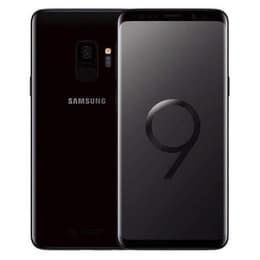
Galaxy S9
Galaxy S9
Starting at

Refurbished price:£77.00

Versus £449.00 new

See options
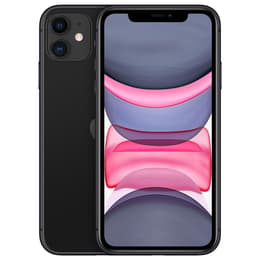
iPhone 11
iPhone 11
Starting at

Refurbished price:£124.00

Versus £489.00 new

See options

Ratings

The Samsung Galaxy S9 (2018) and the iPhone 11 (2019) are two smartphones that cater to different user preferences regarding design and software. While the Galaxy S9 is a more compact device with a focus on display clarity, the iPhone 11 offers a larger screen and a more modern camera system. Both devices provide reliable performance for daily tasks, though they operate on different ecosystems. As an eco-friendly alternative, opting for a quality-assured refurbished option allows users to access these technologies sustainably while making an informed choice.

Scores

Durability

The age and software support cycles of these devices are primary factors in determining their practical longevity for modern users.

  • Software Support Timeline: The iPhone 11 was released a year after the Galaxy S9 and continues to receive regular operating system updates, ensuring compatibility with the latest applications and security features. The Galaxy S9 has concluded its major software update cycle, meaning it may eventually lose compatibility with newer app versions.
  • Build Quality and Repairability: Both smartphones feature glass and metal constructions that are durable but susceptible to damage from drops. They are both well-supported by repair professionals, making it relatively straightforward to replace common components like screens or batteries to extend their useful life.
  • Hardware Longevity: The internal components of the iPhone 11 are designed to handle more modern software demands, which may result in a longer functional lifespan compared to the Galaxy S9 for users who require the latest features.

Year of Release

2018

2019

Compatible with latest Update

No

Yes

OS

Android

iOS

Foldable

No

No

Performance

Daily usage reveals how these devices manage multitasking, app loading, and battery life during typical smartphone activities.

  • Daily Responsiveness: The iPhone 11 provides a smooth and consistent experience when navigating the interface and switching between multiple open apps. The Galaxy S9 remains capable for standard tasks like messaging and browsing, though it may experience slight delays when launching very large files or intensive mobile games.
  • Battery Endurance: Users can generally expect the iPhone 11 to last through a full day of standard use without needing to recharge. The Galaxy S9 has a slightly smaller battery capacity, which might require more frequent charging for those who use their phone heavily for video streaming or navigation throughout the day.
  • Storage and Multitasking: Both models offer sufficient memory to handle several apps running in the background, and they come with various storage options to accommodate a large library of photos, videos, and documents.

Memory (GB)

4 GB

4 GB

Screen quality

The display technology and physical dimensions of these screens offer distinct visual experiences for reading and media consumption.

  • Display Technology and Colour: The Galaxy S9 features an AMOLED display that produces deep blacks and vibrant colours, which is particularly beneficial for watching high-definition video. The iPhone 11 uses an LCD screen that provides natural colour tones and consistent brightness across the entire panel.
  • Resolution and Sharpness: With a higher resolution, the Galaxy S9 offers exceptional clarity for reading small text and viewing detailed images. The iPhone 11 has a lower pixel density but still delivers a clear and sharp image that is suitable for all standard smartphone activities.
  • Outdoor Visibility and Size: The iPhone 11 has a larger 6.1-inch screen that provides more space for content, while the Galaxy S9's 5.8-inch screen is housed in a narrower body, making it easier to operate with one hand in outdoor settings.

Resolution

1440 x 2960

828 x 1792

Screen type

Super AMOLED

Liquid Retina IPS LCD

Audiovisual

The camera systems and audio capabilities of these devices cater to different photography needs and media habits.

  • Lens Versatility: The iPhone 11 features a dual-camera system with an ultra-wide lens, allowing users to capture a broader field of view for landscapes. The Galaxy S9 uses a single rear camera with a variable aperture that adjusts to different lighting conditions to maintain image quality.
  • Low-Light and Video Performance: The iPhone 11 includes a dedicated night mode for clearer photos in dark environments and is known for its stable video recording. The Galaxy S9 uses advanced software processing to reduce noise in low-light shots and provides clear video for everyday memories.
  • Audio and Media Experience: Both devices are equipped with stereo speakers that offer a clear and balanced sound for listening to music or watching videos without headphones. The microphones on both models are designed to capture clear audio during calls and video recordings.

Main camera

12 megapixels

12 megapixels

Front camera

8 megapixels

12 megapixels

Miscellaneous

Practical hardware features such as biometric security and physical ports influence how users interact with these devices daily.

  • Biometric Security: The Galaxy S9 offers a variety of security options, including a fingerprint sensor on the back and an iris scanner for secure access. The iPhone 11 utilizes facial recognition technology, which allows users to unlock their phone and authenticate apps by simply looking at the device.
  • Connectivity and Ports: The Galaxy S9 includes a USB-C port for charging and a traditional headphone jack for wired audio accessories. The iPhone 11 uses a Lightning port for all wired connections, which may require an adapter for users who prefer standard wired headphones.
  • Physical Handling and Build: The Galaxy S9 is lighter and more compact, fitting easily into smaller pockets and hands. The iPhone 11 has a slightly heavier and wider build, which some users find provides a more substantial and secure feel during use.

Weight

163 g

194 g

Width

6,87 cm

7,57 cm

Height

14,77 cm

15,09 cm

Depth

0,85 cm

0,83 cm

Screen size (in)

5.8

6.1

Mobile network

4G

4G

SIM card

Physical SIM

Physical SIM + eSIM

Carrier compatibility

Unlocked

Unlocked

Connector

USB-C + Jack 3.5mm

Lightning

In summary, the Galaxy S9 and iPhone 11 offer different strengths that appeal to various user needs. Based on common feedback from user forums, the Galaxy S9 is often praised for its ergonomic design and the high visual quality of its AMOLED screen, though some users note that its battery life and software support are becoming dated. The iPhone 11 is frequently highlighted for its reliable performance, versatile ultra-wide camera, and the longevity provided by its ongoing software updates.

Users who prioritise a compact phone with a high-resolution screen for watching videos may find the Galaxy S9 to be a suitable choice. Conversely, users who require a more modern camera system, longer battery life, and a device that will remain compatible with new apps for a longer period will likely prefer the iPhone 11. Choosing a quality-assured refurbished option for either device is a sustainable choice that supports a more circular economy. Ultimately, both smartphones remain functional and capable, with the iPhone 11 offering a more future-proof experience for those who value the latest software features and extended support.

See all articles

Our recent comparisons