
Smartphones
Compare models
Differences at a glance
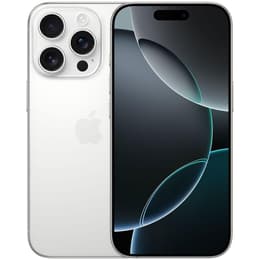
The Google Pixel 6a, released in July 2022, and the iPhone 16 Pro, launched in September 2025, represent distinct approaches to smartphone design and functionality. While both offer robust mobile experiences, they cater to different user expectations, primarily due to their respective operating systems and performance tiers. The Pixel 6a operates on Android, emphasizing Google's software intelligence, whereas the iPhone 16 Pro runs on iOS, focusing on premium performance and a tightly integrated ecosystem. The key differentiators lie in their release timelines, core processing power, and advanced camera capabilities.
Colour
Storage (GB)
When considering the longevity of these devices, their release dates and manufacturer support policies are crucial. The Pixel 6a, being an older device, naturally has a shorter remaining support window compared to the more recently released iPhone 16 Pro.
Year of Release
Compatible with latest Update
Foldable
The performance capabilities of the Pixel 6a and iPhone 16 Pro reflect their different market segments and release years, with the iPhone offering a significantly more powerful and future-proof experience.
The display technologies in the Pixel 6a and iPhone 16 Pro both offer vibrant visuals, but the iPhone 16 Pro introduces several advancements that enhance the viewing experience.
Resolution
Screen type
Both the Pixel 6a and iPhone 16 Pro offer strong camera systems, but the iPhone 16 Pro, as a newer flagship, provides a more versatile and advanced photographic and videographic experience.
Main camera
Front camera
Beyond the core features, several practical elements differentiate the Pixel 6a and iPhone 16 Pro, impacting daily usability and overall experience.
Weight
Screen size (in)
Mobile network
SIM card
Carrier compatibility
Connector
The Google Pixel 6a and iPhone 16 Pro cater to distinct user preferences, largely influenced by their release timelines and ecosystem differences. The Pixel 6a is often praised by users for its exceptional camera capabilities, particularly its computational photography, which delivers impressive results for its class. Users also appreciate its compact size and the clean Android experience. However, some common criticisms include its 60Hz display, which can feel less fluid compared to higher refresh rate screens, and its battery life, which, while generally good, may require a top-up for very heavy users.
The iPhone 16 Pro, as a more recent flagship, receives acclaim for its cutting-edge performance, advanced camera system with enhanced low-light capabilities and video features, and its vibrant 120Hz ProMotion display. Users value its premium build quality and the extended software support that comes with the iOS ecosystem. Potential concerns, based on previous Pro models, might include its larger size and weight compared to more compact devices, and the initial investment required for a top-tier device.
Users prioritizing a compact Android experience with a strong emphasis on photography and Google's software intelligence may find the Pixel 6a well-suited to their needs. It offers a reliable and enjoyable smartphone experience for everyday tasks. Conversely, users who demand the latest in performance, advanced camera features for both photos and videos, a high-refresh-rate display, and a longer software support window will likely lean towards the iPhone 16 Pro. This device is designed for those who seek a premium experience within the Apple ecosystem and engage in more demanding mobile activities.
For those considering either device, exploring quality-assured refurbished options can provide an eco-friendly alternative, allowing access to these technologies while making a sustainable choice.