
Compare models
Galaxy A36 Vs iPhone 13
- 1-year minimum warranty
- Free delivery on all items
- Free 30-day returns
Differences at a glance
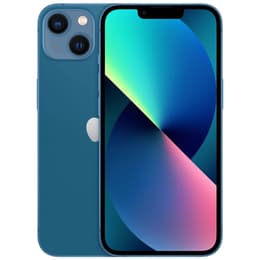
The Samsung Galaxy A36 (2025) and the Apple iPhone 13 (2021) represent two distinct approaches to the modern smartphone experience. While the iPhone 13 remains a popular choice within the iOS ecosystem, the Galaxy A36 offers a more recent entry into the Android market with a focus on display size and modern connectivity. These devices cater to different user needs, primarily distinguished by their operating systems, screen technology, and release timelines.
Choosing between them involves weighing the benefits of a seasoned flagship against a contemporary mid-range device. The iPhone 13 provides a compact, premium feel with long-term software stability, while the Galaxy A36 brings a larger, more fluid screen and the advantages of a more recent launch date. Both smartphones are designed to handle the demands of daily life, but they do so with different priorities in mind.
Available Models
Colour
Storage (GB)
Scores
Durability
The release dates of these two phones significantly impact their expected software lifecycles and physical longevity in a rapidly evolving market.
- Software Longevity: The Galaxy A36, being a much newer release, is expected to receive security updates and operating system refreshes well into the late 2020s, whereas the iPhone 13 is approaching the latter half of its supported life.
- Build and Repair: The iPhone 13 features a glass and aluminium construction that has proven resilient over time, while the Galaxy A36 typically utilises durable plastics and glass designed for easy component access during repairs.
- Practical Lifespan: Users looking for a device to last the next five years may find the Galaxy A36 more suitable due to its more recent launch, while the iPhone 13 remains a sturdy option for those who prefer a compact, established build.
Year of Release
2025
2021
OS
Android
iOS
Foldable
No
No
Performance
Despite the age gap between these models, both devices handle daily tasks with ease, though they prioritise different aspects of the user experience.
- System Responsiveness: The iPhone 13 continues to provide a fluid experience when navigating menus and launching apps, maintaining a high level of efficiency even with demanding modern software.
- Multitasking and Storage: The Galaxy A36 offers generous memory configurations that assist with keeping multiple apps open simultaneously, alongside flexible storage options that are absent on the iPhone.
- Battery Endurance: In typical daily use, the Galaxy A36 benefits from a larger physical battery capacity, often lasting through a full day of heavy usage, while the iPhone 13 is optimised for efficiency during standby and light tasks.
Screen quality
The viewing experience differs greatly between these two models, particularly regarding the physical size and how motion is handled on the display.
- Display Technology: The Galaxy A36 features a high-refresh-rate AMOLED screen, which makes scrolling through social media and system animations appear significantly smoother than the standard 60Hz OLED panel on the iPhone 13.
- Size and Clarity: With a larger screen surface, the Galaxy A36 is well-suited for watching videos and gaming, while the iPhone 13 offers a more compact display that is easier to navigate with one hand.
- Outdoor Visibility: The newer display technology in the Galaxy A36 allows for higher peak brightness, making it easier to read text or view photos under direct sunlight compared to the older panel in the iPhone 13.
Resolution
1080 x 2340
1170 x 2532
Audiovisual
Photography and media consumption are handled differently by each manufacturer's processing style and hardware choices, catering to different creative needs.
- Camera Versatility: The Galaxy A36 utilises a triple-lens system that provides more flexibility for close-up photography and wide-angle shots, whereas the iPhone 13 focuses on a dual-lens setup known for consistent colour accuracy.
- Video and Audio: The iPhone 13 is frequently cited for its stable video recording and clear microphone pickup, making it a reliable tool for video calls and social content creation.
- Speaker Performance: Both devices offer stereo sound, but the Galaxy A36 provides a louder output suitable for media playback in open spaces, while the iPhone 13 maintains a more balanced audio profile at higher volumes.
Front camera
12
12 megapixels
Miscellaneous
Practical features like charging ports and biometric security play a large role in the day-to-day convenience and handling of these smartphones.
- Connectivity and Ports: The Galaxy A36 uses the universal USB-C standard for charging and data transfer, while the iPhone 13 relies on the proprietary Lightning port, which may require specific cables for those not already in the ecosystem.
- Biometric Security: Users can unlock the Galaxy A36 using an under-display fingerprint sensor, whereas the iPhone 13 utilises FaceID for secure access through facial recognition technology.
- Handling and Weight: The iPhone 13 is lighter and more pocket-friendly, making it ideal for users who prefer smaller devices, while the Galaxy A36 has a larger footprint that requires more grip but offers more screen real estate.
Weight
195 g
173 g
Screen size (in)
6,74
6.1
Mobile network
5G
5G
SIM card
Dual Physical SIM + eSIM
Physical SIM + eSIM
Carrier compatibility
Unlocked
Unlocked
Connector
USB-C
Lightning
What the community thinks
User feedback from various tech communities highlights distinct preferences for both the Galaxy A36 and the iPhone 13. The iPhone 13 is often praised for its reliable performance, compact size, and the seamless integration of the iOS ecosystem, though some users note the aging 60Hz screen as a drawback in 2026. Conversely, the Galaxy A36 receives positive remarks for its smooth 120Hz display and long-lasting battery, while some users find its larger size less comfortable for one-handed use.
Users who prioritise a compact design, consistent video quality, and a familiar operating system may find the iPhone 13 to be the better fit for their needs. Those who prefer a larger, smoother screen for media consumption and require the latest software updates for years to come will likely lean toward the Galaxy A36. Choosing a quality-assured refurbished option for either model is a sustainable choice that reduces electronic waste while providing a reliable device for work or travel.
Ultimately, the decision rests on whether you value the established reliability of an Apple flagship or the modern features and longevity of a newer Samsung mid-range device. Both phones offer a high-quality experience that serves the needs of modern smartphone users effectively.