Compare models
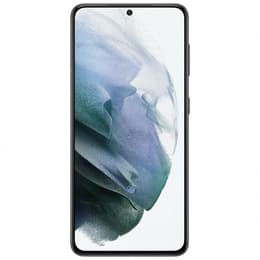
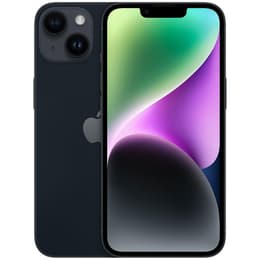
Galaxy S21 5G Vs iPhone 14
- 1-year minimum warranty
- Free delivery on all items
- Free 30-day returns
Differences at a glance
The Samsung Galaxy S21 5G, released in early 2021, and the iPhone 14, launched in late 2022, represent two distinct approaches to the modern smartphone experience. While the Galaxy S21 5G operates on the Android platform with a focus on display fluidity and versatile photography, the iPhone 14 runs on iOS, prioritising seamless software integration and video performance. These devices cater to different ecosystems, offering users a choice between Samsung’s customisable interface and Apple’s streamlined user experience.
Despite being separated by a year in release dates, both smartphones remain highly relevant for daily tasks, social media, and professional use. The Galaxy S21 5G introduced a bold new design language for Samsung, while the iPhone 14 refined the established aesthetic of its predecessors, focusing on internal improvements and safety features.
Available Models
Colour
Storage (GB)
Scores
Durability
The release dates of these devices significantly influence their expected software support cycles and overall longevity in a rapidly evolving market.
- Software support: The iPhone 14, being a newer release, is expected to receive operating system updates for several years longer than the Galaxy S21 5G, which is approaching the later stages of its primary update cycle.
- Build and repair: Both manufacturers have made strides in repairability, though the iPhone 14 features a removable back glass that simplifies certain internal repairs compared to older designs, potentially extending its practical lifespan.
- Long-term reliability: Users looking for a device to last five years or more may find the iPhone 14 more aligned with those needs due to its later launch date and Apple's historical pattern of providing long-term security patches.
Year of Release
2021
2022
Compatible with latest Update
Yes
Yes
OS
Android
iOS
Foldable
No
No
Performance
Everyday tasks and multitasking are handled efficiently by both devices, though their internal management of resources and battery behaviour differs based on their respective operating systems.
- System responsiveness: The Galaxy S21 5G utilises a high amount of temporary memory to keep multiple apps open simultaneously, while the iPhone 14 relies on software efficiency to maintain a smooth experience even when running demanding applications.
- Battery endurance: In typical daily use, the iPhone 14 often demonstrates higher efficiency during video playback and standby, whereas the Galaxy S21 5G provides consistent power for productivity tasks throughout a standard workday.
- Storage flexibility: Both devices offer various internal storage capacities to house photos and files, though neither allows for external expansion, making the initial choice of capacity an important consideration for the user's future needs.
Screen quality
The viewing experience is a primary point of divergence between these two smartphones, particularly regarding motion smoothness and display technology.
- Motion smoothness: The Galaxy S21 5G features a high refresh rate that makes scrolling through social media feeds and navigating menus appear very fluid, a feature that provides a more responsive feel compared to the standard screen on the iPhone 14.
- Display technology: Both phones use advanced light-emitting diode technology to produce deep blacks and high contrast, ensuring that movies and photos look vibrant and clear in various lighting conditions.
- Outdoor visibility: Each device is designed to reach high brightness levels, allowing users to read messages or use navigation apps clearly even under direct sunlight, which is essential for commuters and travellers.
Resolution
1080 x 2400
1170 x 2532
Screen type
Dynamic AMOLED 2X
Super Retina XDR OLED
Audiovisual
Photography and video capabilities are robust on both models, though they offer different hardware configurations for capturing images in various environments.
- Zoom and versatility: The Galaxy S21 5G includes a dedicated telephoto lens, which allows for clearer photos of distant subjects compared to the digital zoom used by the iPhone 14, making it better suited for nature or sports photography.
- Video and stabilisation: The iPhone 14 is frequently noted for its smooth video recording and specialised modes that mimic professional film techniques, making it a strong choice for social media creators and vloggers.
- Low-light performance: Both devices use intelligent processing to brighten dark scenes, though the iPhone 14 often produces more natural skin tones, while the Galaxy S21 5G tends to emphasise sharpness and detail in night-time shots.
Main camera
12 megapixels
12 megapixels
Front camera
10 megapixels
12 megapixels
Miscellaneous
Practical features like connectivity and physical handling play a significant role in the daily user experience and how the devices feel during extended use.
- Physical handling: The Galaxy S21 5G features a contoured design and a plastic rear panel that is resistant to fingerprints and cracks, while the iPhone 14 uses a glass and aluminium build that feels substantial and follows a more traditional aesthetic.
- Security and access: Users can unlock the Galaxy S21 5G using an under-screen fingerprint sensor, whereas the iPhone 14 relies on facial recognition technology for secure access to the device and for making digital payments.
- Connectivity standards: Both smartphones support 5G networks for fast mobile data and include modern wireless standards for stable connections to headphones, smartwatches, and home networks.
Weight
169 g
172 g
Screen size (in)
6.2
6.1
Mobile network
5G
5G
SIM card
Dual Physical SIM + eSIM
Physical SIM + eSIM
Carrier compatibility
Unlocked
Unlocked
What the community thinks
Public sentiment across user forums highlights a clear divide based on personal priorities and ecosystem loyalty. Galaxy S21 5G users often praise the 120Hz display and the flexibility of the triple-camera system, particularly the zoom lens which is absent on the standard iPhone. However, some note that the battery life can decrease over time with heavy use of the high refresh rate. iPhone 14 owners frequently mention the reliability of the software and the high quality of video recording as standout features. A common critique is the lack of a high refresh rate screen, which some users feel makes the interface seem less modern compared to its competitors.
Choosing between these two often comes down to the preferred operating system and specific hardware needs. Users who value a fluid screen and versatile camera hardware for photography may find the Galaxy S21 5G more suitable for their lifestyle. Conversely, those who prioritise long-term software support, consistent video quality, and a simpler user interface will likely lean toward the iPhone 14. Both devices are capable of handling modern apps and multitasking with ease.
For those looking to make a sustainable choice, opting for a quality-assured refurbished option is an eco-friendly alternative that extends the life of these capable devices. Both models remain highly functional for modern needs, providing a practical path for environmentally conscious consumers who want reliable technology without the environmental impact of a brand-new purchase. Ultimately, the decision rests on whether you prefer the customisable nature of Samsung or the integrated experience of Apple.