
Galaxy A14 5G Vs iPhone 16 Pro Max

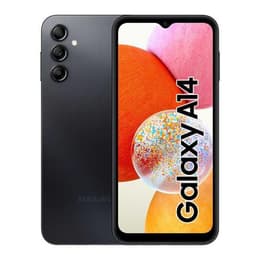
Galaxy A14 5G
Galaxy A14 5G
Starting at

Refurbished price:£82.00

Versus £289.00 new

See options
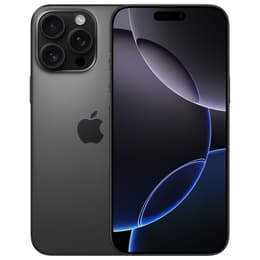
iPhone 16 Pro Max
iPhone 16 Pro Max
Starting at

Refurbished price:£668.00

Versus £1,199.00 new

See options

Ratings

The Samsung Galaxy A14 5G, released in January 2023, and the iPhone 16 Pro Max, launched in September 2024, represent distinct segments of the smartphone market. While the Galaxy A14 5G operates on the Android platform, offering a user-friendly experience with extensive customization, the iPhone 16 Pro Max runs on Apple's iOS, known for its integrated ecosystem and streamlined interface. These devices primarily differ in their performance capabilities, display technology, and advanced camera systems, catering to users with varying priorities and usage patterns.

Scores

Durability

The expected practical lifespan of a smartphone is influenced by its initial build quality, software support, and the availability of replacement parts.

  • Release Timeline and Software Support: The Galaxy A14 5G, released in January 2023, typically receives two major Android operating system updates and four years of security updates from Samsung. This means its official software support is nearing its end in early 2027. In contrast, the iPhone 16 Pro Max, launched in September 2024, benefits from Apple's extended software support, which generally spans five to seven years, ensuring it will receive updates well into the 2030s. [1, 4, 8]
  • Physical Durability: The Galaxy A14 5G features a plastic construction, which offers a degree of resilience against minor impacts, and has been noted to pass bend tests without issues. [15, 32] However, it lacks an official IP rating for water and dust resistance. The iPhone 16 Pro Max boasts a more robust build, incorporating a titanium frame, Ceramic Shield front cover, and a textured matte glass back, along with an IP68 rating for significant water and dust resistance. [1, 3, 20]
  • Repairability: While specific repairability scores vary, both devices are designed with components that can be replaced by skilled technicians. The availability of parts for both models, especially refurbished components, contributes to their potential for extended use beyond their initial purchase.

Year of Release

2023

2024

Compatible with latest Update

Yes

Yes

Foldable

No

No

Performance

Performance differences between these two devices are notable, impacting everything from daily tasks to demanding applications.

  • Processing Power: The Galaxy A14 5G is equipped with a processor designed for efficient handling of everyday tasks such as web browsing, social media, and light gaming. Users generally find it capable for these common activities, though some report it can be sluggish when opening apps or multitasking. [2, 27] The iPhone 16 Pro Max, featuring a high-performance chip, delivers significantly faster processing speeds, ensuring smooth operation for intensive applications, advanced gaming, and complex multitasking without noticeable delays. [9, 22]
  • Multitasking and Responsiveness: The Galaxy A14 5G, with its available RAM configurations, handles typical multitasking scenarios adequately, but may experience slowdowns with numerous apps open simultaneously. [2] The iPhone 16 Pro Max, with its optimized hardware and software integration, offers a highly responsive experience, allowing users to switch between demanding applications and manage multiple processes seamlessly. [1, 9]
  • Storage Options: The Galaxy A14 5G offers internal storage options of 64GB or 128GB, with the added flexibility of expandable storage via a microSD card up to 1TB. [4, 13] The iPhone 16 Pro Max provides larger internal storage capacities, starting from 256GB and going up to 1TB, but does not support expandable storage. [3, 25]

Memory (GB)

4 GB

8 GB

Screen quality

The visual experience on these two smartphones differs significantly due to their display technologies and specifications.

  • Display Technology and Clarity: The Galaxy A14 5G features a 6.6-inch PLS LCD display with a resolution of 1080 x 2408 pixels, providing clear images for general viewing. [4, 2] The iPhone 16 Pro Max comes with a larger 6.9-inch Super Retina XDR OLED display, offering superior contrast, deeper blacks, and more vibrant colors, resulting in a high-quality multimedia experience. [3, 9, 22]
  • Refresh Rate and Smoothness: The Galaxy A14 5G's display has a 90Hz refresh rate, which provides a smoother scrolling experience compared to standard 60Hz screens. [4, 2] The iPhone 16 Pro Max incorporates ProMotion technology, allowing for an adaptive refresh rate up to 120Hz, which dynamically adjusts to content for exceptionally fluid scrolling and responsiveness, particularly noticeable in fast-paced content and gaming. [3, 22]
  • Brightness and Outdoor Visibility: The Galaxy A14 5G's screen has a peak brightness of around 500 nits, which can make it challenging to view clearly under direct sunlight. [2] The iPhone 16 Pro Max offers significantly higher brightness levels, with a typical brightness of 1000 nits and a peak outdoor brightness of 2000 nits, ensuring excellent visibility even in bright outdoor conditions. [3, 22]

Resolution

1080 x 2408

1320 x 2868

Screen type

PLS LCD

LTPO Super Retina XDR OLED

Audiovisual

The camera capabilities of these devices cater to different levels of photography and videography needs.

  • Rear Camera System: The Galaxy A14 5G features a triple rear camera setup, including a 50-megapixel main sensor, a 2-megapixel macro lens, and a 2-megapixel depth sensor. [2, 13] It performs well in good lighting conditions but struggles with low-light photography and lacks an ultra-wide lens. [2, 8, 14] The iPhone 16 Pro Max is equipped with an advanced Pro camera system, featuring a 48-megapixel Fusion main camera, a 48-megapixel ultra-wide camera, and a 12-megapixel telephoto lens with 5x optical zoom. [3, 16, 30] This system excels in various lighting conditions, offering detailed images and versatile shooting options.
  • Video Recording and Features: The Galaxy A14 5G supports video recording up to 1080p at 30 frames per second. [2, 14] The iPhone 16 Pro Max offers extensive video capabilities, including 4K video recording at up to 120 frames per second, ProRes video, and Spatial video recording, providing professional-grade video capture. [3, 30] It also includes a new Camera Control button for enhanced photographic control. [23, 25, 30]
  • Front Camera and Audio: The Galaxy A14 5G has a 13-megapixel front camera, suitable for everyday selfies and video calls. [2, 13] User feedback sometimes notes issues with microphone quality during calls on the A14 5G. [5] The iPhone 16 Pro Max features a 12-megapixel TrueDepth front camera with advanced features and includes a studio-quality four-mic array for clear audio recording and calls. [3, 9]

Main camera

50 megapixels

48 megapixels

Front camera

13 megapixels

12 megapixels

Miscellaneous

Beyond core features, several practical elements differentiate these two smartphones in daily use.

  • Connectivity and Ports: Both devices support 5G connectivity. The Galaxy A14 5G includes Wi-Fi 5 and Bluetooth 5.2, along with a traditional 3.5mm headphone jack and a USB-C port for charging and data transfer. [4, 13] The iPhone 16 Pro Max supports the newer Wi-Fi 7 standard and Bluetooth 5.3, featuring a USB-C port with Thunderbolt support for faster data transfer, but it does not include a headphone jack. [3, 10]
  • Biometric Security and Sensors: The Galaxy A14 5G utilizes a side-mounted fingerprint sensor for secure unlocking. [13] The iPhone 16 Pro Max relies on Face ID for biometric authentication, offering advanced facial recognition. [3] It also integrates a LiDAR scanner, which enhances augmented reality experiences and improves autofocus in low-light photography. [3]
  • Design and Handling: The Galaxy A14 5G has dimensions of 167.7 x 78.0 x 9.1mm and weighs 202g, featuring a design with a textured back for improved grip. [13, 15] The iPhone 16 Pro Max is slightly larger and heavier at 163.0 x 77.6 x 8.25 mm and 227g, with a premium titanium and glass construction. [1, 3] Its design includes thinner display borders for a more immersive viewing experience. [1, 22]

Weight

201 g

227 g

Screen size (in)

6.6

6.9

Mobile network

5G

5G

SIM card

Dual Physical SIM

Physical SIM + eSIM

Carrier compatibility

Unlocked

Unlocked

Connector

USB-C + Jack 3.5mm

USB-C (USB 3)

User feedback for the Galaxy A14 5G often highlights its suitability for basic smartphone functions, with many appreciating its large display and long-lasting battery for casual use. [2, 27] However, common criticisms include occasional sluggishness, particularly with demanding applications, and some users have reported issues with microphone quality and touch sensitivity. [5, 17, 29] The camera performance is generally considered adequate for its segment but not exceptional in challenging conditions. [2, 14]

The iPhone 16 Pro Max consistently receives praise for its exceptional performance, vibrant display, and robust build quality. [9] Users frequently commend its advanced camera system and extended battery life, making it a strong choice for multimedia consumption and content creation. [9, 20] Some reviews suggest that while it offers significant improvements, it can be seen as an incremental update over its direct predecessor, with certain new camera features not always meeting high expectations. [9]

Users prioritizing a device for essential communication, web browsing, and media consumption, along with expandable storage, may find the Galaxy A14 5G well-suited to their needs. Conversely, individuals who require top-tier performance for intensive applications, advanced photography and videography, and a premium, durable build will likely lean towards the iPhone 16 Pro Max. Those seeking a device with long-term software support and a highly integrated ecosystem will also find the iPhone 16 Pro Max aligns with their preferences. Both models are available as quality-assured refurbished options, providing a sustainable choice for consumers.

See all articles

Our recent comparisons