

Compare models
iPhone 15 Plus Vs iPhone 17 Pro
- 1-year minimum warranty
- Free delivery on all items
- Free 30-day returns
Differences at a glance
The iPhone 15 Plus (2023) and the iPhone 17 Pro (2025) represent two distinct tiers within Apple's smartphone lineup, separated by two generations of hardware and design evolution. While the iPhone 15 Plus focuses on delivering a large-screen experience with balanced everyday capabilities, the iPhone 17 Pro targets users seeking advanced imaging tools, high refresh rate visuals, and maximum processing power. Both devices run on iOS, providing a consistent operating system interface, though they differ significantly in hardware capability and physical scale.
Available Models
Colour
Storage (GB)
Scores
Durability
When evaluating longevity, these devices offer different timelines based on their respective release years and hardware specifications.
- Software support duration: The iPhone 17 Pro benefits from a newer release date, extending its potential window for receiving major operating system updates compared to its predecessor.
- Repairability and durability: Both models utilize durable front glass protection and maintain standard water resistance ratings, though the newer model incorporates updated exterior materials designed to enhance scratch resistance.
- Expected practical lifespan: Both devices are engineered to endure several years of daily use, but the newer internal architecture of the iPhone 17 Pro provides additional headroom for future software demands.
Year of Release
2023
2025
Performance
System responsiveness and daily multitasking capabilities vary noticeably due to the generational gap between the two internal processing architectures.
- Storage configurations: The iPhone 15 Plus starts with smaller baseline storage options, whereas the iPhone 17 Pro begins at a higher storage tier to accommodate media-heavy workflows.
- Everyday responsiveness: Both devices handle standard messaging, web browsing, and media streaming smoothly, but the iPhone 17 Pro executes demanding tasks, high-end mobile gaming, and intensive background processing with greater speed and thermal efficiency.
- Battery behavior: The iPhone 15 Plus offers solid day-to-day battery endurance for standard use, while the iPhone 17 Pro matches this with advanced power-efficient components that sustain heavy workflows over long periods.
Screen quality
Visual output and display responsiveness differ significantly in fluidity and peak viewing capabilities between the two models.
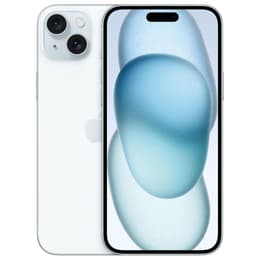
- Display technology and size: The iPhone 15 Plus features a large 6.7-inch OLED screen, matching the generous viewing area sought by media consumers, while the iPhone 17 Pro offers a more compact 6.3-inch OLED panel.
- Refresh rate and smoothness: The iPhone 17 Pro includes advanced adaptive refresh rate technology up to 120 Hz for smoother scrolling and motion rendering, whereas the iPhone 15 Plus operates at a standard 60 Hz.
- Brightness and outdoor clarity: Both models deliver high peak brightness levels for clear visibility under direct sunlight, supported by crisp pixel densities that render text and images sharply.
Audiovisual
Photography and video capabilities represent a primary dividing line between these standard and professional-tier devices.
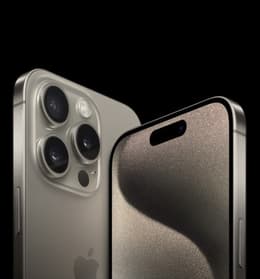
- Rear camera systems: The iPhone 15 Plus features a dual-lens setup with a high-resolution main sensor and an ultra-wide lens, while the iPhone 17 Pro incorporates a triple-lens system adding a dedicated high-resolution telephoto lens for extended optical zoom.
- Video and low-light performance: The iPhone 17 Pro provides advanced pro-level video recording formats and enhanced low-light processing, making it well-suited for detailed multimedia creation.
- Audio and media output: Both phones deliver clear stereo sound through integrated speakers and reliable microphone clarity for calls, though the media consumption experience benefits from the distinct screen sizes and refresh rates.
Miscellaneous
Physical handling, connectivity standards, and build characteristics define the day-to-day tactile experience of each smartphone.
- Build materials and weight: The iPhone 15 Plus utilizes an aluminum frame with a color-infused glass back, whereas the iPhone 17 Pro features a robust unibody construction designed for optimal thermal management and durability.
- Connectivity and ports: Both devices utilize universal USB-C connectivity for charging and data transfer, alongside support for 5G networks and modern wireless standards.
- Authentication and sensors: Both models rely on face recognition technology for secure unlocking, and include comprehensive sensor suites for motion tracking and navigation.
Screen size (in)
6.7
6.3
Mobile network
5G
5G
SIM card
Physical SIM + eSIM
Physical SIM + eSIM
Carrier compatibility
Unlocked
Unlocked
Connector
USB-C
USB-C
What the community thinks
Choosing between these two models depends heavily on individual usage habits and hardware priorities. Users prioritizing a large viewing canvas for media consumption and straightforward daily tasks will find the iPhone 15 Plus well-suited to their needs. Conversely, users prioritizing advanced photographic versatility, fluid display motion, and maximum processing headroom for demanding applications will lean toward the iPhone 17 Pro. For those looking for an eco-friendly, quality-assured alternative, choosing a refurbished model provides a sustainable path to acquiring either device without compromising on performance standards.