
Compare models

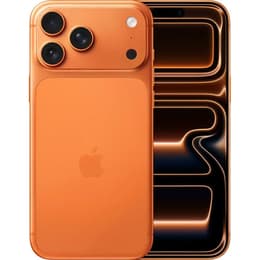
iPhone 17 Pro Vs iPhone 17 Pro Max

  • 1-year minimum warranty
  • Free delivery on all items
  • Free 30-day returns
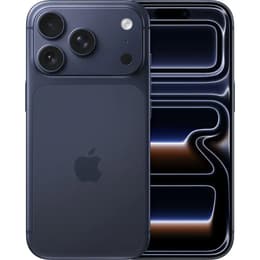
iPhone 17 Pro
Starting at

Refurbished price:£829.00

Versus £1,099.00 new

See options
iPhone 17 Pro Max
Starting at

Refurbished price:£944.00

Versus £1,199.00 new

See options

Differences at a glance

The iPhone 17 Pro (2025) and iPhone 17 Pro Max (2025) represent Apple's high-end smartphone line, sharing identical core processing power, software ecosystems, and camera systems. While they deliver the same underlying performance, the primary differentiators lie in their physical dimensions, screen workspace, and battery capacities. Both devices operate on the iOS platform with deep integration for modern on-device intelligence features, making them equally capable from a software standpoint.

Available Models

Colour

Storage

Scores

Durability

Both smartphones share the same 2025 release timeline and are built to handle long-term software updates and heavy daily usage without major performance degradation.

    Software longevity: Both models run on identical current-generation hardware architecture, ensuring they will receive parallel operating system support and security updates for many years.
    Repairability and build: Both units feature durable aluminum unibody construction paired with advanced front and back protective glass, maintaining standard industry repairability profiles for high-end mobile devices.
    Expected lifespan: The shared processing foundation guarantees that both options will remain responsive and reliable over extended multi-year ownership cycles.

Year of Release

2025

2025

Compatible with latest Update

Yes

Yes

OS

iOS

iOS

Foldable

No

No

Performance

Underneath the hood, both models deliver identical speed and multitasking capability, though the larger model accommodates additional maximum storage tiers and sustained power demands.

    Storage capacity: Both options offer generous starting capacities, while the larger model provides an exclusive ultra-high storage tier for users with massive local file libraries.
    Multitasking and apps: Both devices handle demanding professional applications, intensive gaming, and complex background tasks smoothly without stuttering or thermal throttling.
    Battery endurance: The physical dimensions of the larger model allow for a higher-capacity battery, resulting in longer hours of continuous media playback and heavy work use between charges.

Screen quality

Both smartphones utilize advanced organic light-emitting diode display technology, providing exceptionally deep blacks, crisp text clarity, and high peak brightness levels for outdoor viewing.

    Display size: The standard model features a compact 6.3-inch workspace suited for single-handed navigation, whereas the larger model provides an expansive 6.9-inch canvas for media consumption and split-screen viewing.
    Visual fluidity: Both screens support adaptive refresh rates scaling up to high frequencies for fluid scrolling, alongside consistent pixel density and accurate color reproduction.
    Outdoor visibility: Both panels match peak outdoor brightness capabilities, ensuring readability under direct sunlight regardless of which physical size is chosen.

Resolution

2622x1206

2868x1320

Screen type

Super Retina XDR

Super Retina XDR

Audiovisual

Both devices feature identical triple-lens photography hardware, delivering professional-grade image stabilization and high-resolution sensor output across all focal lengths.

    Imaging versatility: Both models incorporate high-megapixel main, ultra-wide, and periscope telephoto lenses capable of capturing sharp details in both daylight and low-light environments.
    Video recording: Both smartphones support high-resolution cinematic video capture formats with advanced audio recording capabilities for content creation.
    Media output: Both units house stereo speaker setups that deliver balanced sound output for casual video watching and hands-free calls.

Main camera

48 megapixels

48 megapixels

Front camera

18 megapixels

18 megapixels

Miscellaneous

The exterior design and physical handling characteristics represent the most noticeable functional differences between the two otherwise identical devices.

    Handling and weight: The standard model weighs considerably less and has a narrower profile, making it easier to hold for long periods, while the larger model requires a two-handed grip for comfortable typing.
    Connectivity: Both models support current-generation cellular networks, fast Wi-Fi standards, and universal USB-C wired data transfer alongside wireless charging capabilities.
    Authentication: Both smartphones utilize secure facial recognition sensors housed within the interactive display cutout.

Weight

206 g

233 g

Screen size (in)

6.3

6.9

Mobile network

5G

5G

SIM card

Physical SIM + eSIM

Physical SIM + eSIM

Carrier compatibility

Unlocked

Unlocked

Connector

USB-C

USB-C

What the community thinks

User discussions across online communities highlight that the choice between these two devices comes down entirely to physical scale and endurance rather than processing power. Many owners of the standard model praise its comfortable handling and pocket-friendly proportions, while users of the larger variant frequently emphasize the benefits of the extended battery life and expansive viewing area. Common considerations for the larger model often involve its heavier weight and larger footprint in pockets or small bags.

Users prioritizing pocket comfort and easier single-handed use may prefer the iPhone 17 Pro, while users prioritizing maximum screen workspace and longer time away from a charger will lean toward the iPhone 17 Pro Max. For buyers exploring a sustainable choice, a quality-assured refurbished option provides a reliable way to access these high-end features with a reduced environmental footprint. Ultimately, selecting between the two depends on whether physical compactness or maximum viewing space better matches daily habits.