iPhone 13 Vs Motorola Moto G13

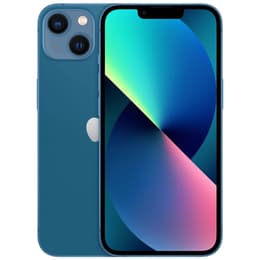
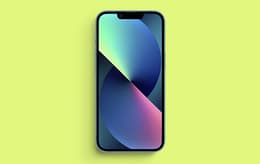
iPhone 13
iPhone 13
Starting at

Refurbished price:£205.00

Versus £599.00 new

See options
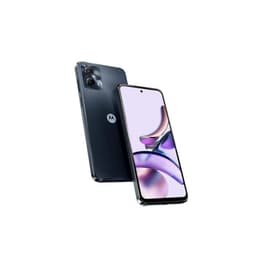
Motorola Moto G13
Motorola Moto G13
Starting at

Refurbished price:£99.00

Versus £166.76 new

See options

Ratings

The iPhone 13, released in late 2021, and the Motorola Moto G13, launched in early 2023, represent two distinct philosophies in the smartphone market. While the iPhone 13 was designed as a high-performance flagship running Apple’s iOS, the Moto G13 provides a streamlined Android experience focused on essential daily utility. These devices differ significantly in their internal capabilities, display technologies, and long-term software support cycles.

The primary differentiators between these two models are their processing efficiency and camera sophistication. The iPhone 13 targets users who require high-speed multitasking and advanced media features, whereas the Moto G13 is built for those who prioritise battery endurance and physical features like expandable storage and a traditional headphone jack. Understanding these fundamental differences is key to choosing the device that aligns with your specific daily habits and technical requirements.

Scores

Durability

When evaluating how long these devices will remain functional and secure, the contrast between Apple’s and Motorola’s software update policies becomes the most significant factor for users.

  • Software Longevity: The iPhone 13, despite being the older model, is expected to receive operating system updates and critical security patches until approximately 2027 or 2028. In contrast, the Moto G13 typically follows a shorter support cycle, often receiving only one major Android version upgrade and a few years of security maintenance, which may limit its functional lifespan for those who prioritise the latest software features.
  • Build Resilience and Repair: The iPhone 13 features a glass and aluminium construction with high water and dust resistance ratings, though its internal components are often linked to the specific device, making some third-party repairs more complex. The Moto G13 utilises a plastic build that is more resistant to shattering upon impact but lacks the same level of environmental sealing against water immersion.
  • Practical Lifespan: Users can expect the iPhone 13 to maintain a high level of performance for several years due to its powerful internals. The Moto G13 is likely to see its performance pace slow down sooner as modern apps become more demanding, though its physical battery health often remains robust over hundreds of charge cycles.

Year of Release

2021

2023

Compatible with latest Update

Yes

No

OS

iOS

Android

Foldable

No

No

Performance

Performance is defined by how smoothly a device handles everything from basic messaging to intensive gaming and high-definition video editing.

  • System Responsiveness: The iPhone 13 provides a highly fluid experience where apps open almost instantly and multitasking between heavy workloads remains seamless. The Moto G13 is well-suited for standard tasks like web browsing, social media, and video streaming, though users may notice slight pauses when switching between multiple demanding applications or during initial startup.
  • Storage and Memory: Apple offers the iPhone 13 in fixed storage capacities, meaning users must decide their needs at the point of acquisition. The Moto G13 includes a dedicated slot for memory cards, allowing users to physically expand their storage space for photos and files as their needs grow over time, which is a practical advantage for those with large media libraries.
  • Battery Behaviour: The Moto G13 is designed with a focus on endurance, often lasting through two days of moderate use on a single charge due to its energy-efficient components. The iPhone 13 comfortably lasts a full day for most users, but those engaging in heavy video recording or GPS navigation will find themselves reaching for a charger by the evening.

Memory (GB)

4 GB

4 GB

Screen quality

The display is the primary interface for any smartphone, and these two models offer very different visual experiences based on their underlying screen technologies.

  • Display Technology and Clarity: The iPhone 13 uses an OLED panel, which provides deep black levels and high contrast, making it excellent for watching films or viewing high-resolution photos. The Moto G13 uses an LCD panel, which offers natural colour reproduction but cannot achieve the same level of ink-like blacks or vibrant saturation found on the iPhone.
  • Motion and Smoothness: Interestingly, the Moto G13 features a higher refresh rate, which makes scrolling through lists and navigating the interface appear smoother to the eye. The iPhone 13 maintains a standard refresh rate, which is consistent and stable but lacks the specific fluid motion found on the Motorola’s faster-updating screen.
  • Outdoor Visibility: For users who frequently use their phones in bright sunlight, the iPhone 13 offers a much higher peak brightness, ensuring the screen remains legible in harsh lighting. The Moto G13 may require the user to seek shade or shield the screen to see fine details clearly when outdoors on a very sunny day.

Resolution

1170 x 2532

720 x 1600

Screen type

Super Retina XDR OLED

IPS LCD

Audiovisual

Photography and video capabilities are often the deciding factor for many users, with one device focusing on computational precision and the other on versatile lens options.

  • Image Quality and Processing: The iPhone 13 excels in capturing consistent, true-to-life images with excellent dynamic range, particularly in challenging low-light environments. Its video recording is widely regarded for its stability and professional-grade clarity. The Moto G13 features a high-resolution main sensor that performs well in bright daylight, capturing sharp images for social sharing, though it struggles more with graininess once the sun goes down.
  • Lens Versatility: The Moto G13 includes additional sensors for close-up macro photography and depth sensing, providing more physical options for different types of shots. The iPhone 13 relies on a dual-lens system (wide and ultra-wide) but uses more advanced software to enhance every pixel, resulting in higher overall detail and more accurate skin tones.
  • Audio and Media Consumption: Both devices feature stereo speakers, but the iPhone 13 provides a fuller, more balanced sound profile with noticeable bass. The Moto G13 includes a 3.5mm headphone jack, a feature missing from the iPhone, allowing users to connect traditional wired headphones without needing an external adapter.

Main camera

12 megapixels

50 megapixels

Front camera

12 megapixels

8 megapixels

Miscellaneous

Beyond the core specifications, several practical design choices and connectivity standards influence the daily handling of these smartphones.

  • Connectivity Standards: The iPhone 13 supports 5G networks, enabling faster mobile data speeds in areas with the necessary infrastructure. The Moto G13 is limited to 4G connectivity, which is perfectly adequate for standard browsing and streaming but will not reach the peak download speeds of the newer 5G standard.
  • Physical Ports and Biometrics: The iPhone 13 uses a proprietary Lightning port for charging and relies on Face ID for secure unlocking, which works by scanning the user's facial features. The Moto G13 uses the more universal USB-C port and features a fingerprint sensor built into the power button, offering a tactile and reliable way to access the device.
  • Weight and Handling: The iPhone 13 has a more compact and dense feel, making it easier to use with one hand for many people. The Moto G13 is slightly larger and taller, which provides more screen real estate for reading but may feel more substantial in a pocket or small bag.

Weight

173 g

183 g

Screen size (in)

6.1

6.5

Mobile network

5G

4G

SIM card

Physical SIM + eSIM

Dual Physical SIM

Carrier compatibility

Unlocked

Unlocked

In summary, the choice between the iPhone 13 and the Motorola Moto G13 depends largely on your technical priorities and how you intend to use the device over several years. User consensus from various tech forums suggests that the iPhone 13 is frequently praised for its exceptional video quality, long-term software reliability, and compact design. However, some users express frustration with its lack of a headphone jack and the fixed storage limits. On the other hand, the Moto G13 receives significant praise for its impressive battery life and the inclusion of a microSD slot, though it is often criticised for its lower screen resolution and limited software update schedule.

Users who prioritise high-end performance, mobile photography, and a device that will receive the latest features for years to come will find the iPhone 13 to be a well-suited companion. Conversely, those who need a straightforward device for communication, long-lasting battery for travel, and the flexibility of wired audio and expandable storage may lean toward the Moto G13. For those looking to make a sustainable choice, the iPhone 13 remains a popular quality-assured refurbished option that balances modern features with environmental consciousness. Ultimately, both devices serve their intended audiences well, providing reliable mobile technology through different functional strengths. Choosing a refurbished model can be an eco-friendly alternative that supports a more circular electronics economy while still providing a high-quality user experience.

See all articles

Our recent comparisons