
iPhone 16 Plus Vs Xiaomi Redmi Note 11 Pro 5G

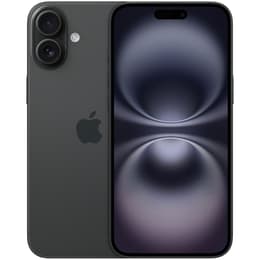
iPhone 16 Plus
iPhone 16 Plus
Starting at

Refurbished price:£503.46

Versus £799.00 new

See options
Xiaomi Redmi Note 11 Pro 5G
Starting at

Refurbished price:£98.00

Versus £599.00 new

See options

Ratings

The iPhone 16 Plus (2024) and the Xiaomi Redmi Note 11 Pro 5G (2022) are smartphones that cater to different user preferences and software ecosystems. While the iPhone 16 Plus is a recent addition to the iOS family, the Redmi Note 11 Pro 5G is a well-regarded Android device that focuses on specific hardware features like screen smoothness and fast charging.

The primary differences between these two models involve their release dates, the longevity of their software support, and the overall user experience provided by their respective operating systems. This comparison explores how these factors influence daily usage for different types of users.

Scores

Durability

The iPhone 16 Plus and the Redmi Note 11 Pro 5G offer different levels of long-term reliability based on their build materials and software update schedules.

  • Software Support: The iPhone 16 Plus, released in 2024, is expected to receive official software updates for at least six to seven years, ensuring it remains compatible with the latest applications and security protocols. In contrast, the Redmi Note 11 Pro 5G, which arrived in 2022, is closer to the end of its official update cycle, meaning it may not receive new Android versions for as long as its counterpart.
  • Physical Resilience: The iPhone features a ceramic-shielded front and a high-grade aluminium frame with a high level of water and dust resistance, while the Redmi uses a glass and plastic construction that offers basic protection against splashes. Choosing a quality-assured refurbished option for either device can extend its environmental utility while providing a reliable hardware experience.
  • Repairability: Both manufacturers have made strides in making components like batteries and screens more accessible for service, though the widespread availability of parts for the iPhone often makes it easier to find local repair options over time.

Year of Release

2024

2022

Compatible with latest Update

Yes

No

Foldable

No

No

Performance

The performance gap between these two devices is a reflection of their different hardware generations and intended use cases.

  • System Responsiveness: The iPhone 16 Plus utilises current-generation internal hardware that handles demanding tasks such as high-definition video editing and intensive gaming without hesitation. The Redmi Note 11 Pro 5G uses established mid-range components that are perfectly capable of handling everyday tasks like web browsing, social media, and streaming, though users may notice slight pauses when launching very large applications.
  • Multitasking Capabilities: With its modern memory management, the iPhone allows users to switch between many open apps seamlessly, while the Redmi provides a stable experience for standard multitasking but may close background apps more frequently to maintain speed.
  • Battery Behaviour: Users report that both devices can comfortably last through a full day of heavy use, but the iPhone's more modern internals allow for better power efficiency during standby periods and while using navigation apps.

Memory (GB)

8 GB

6 GB

Screen quality

While both phones feature large, vibrant displays, they prioritise different aspects of the visual experience to suit different user needs.

  • Display Technology: The iPhone 16 Plus features a large display using technology that provides deep blacks and exceptional colour accuracy, making it a strong choice for viewing high-quality media. The Redmi Note 11 Pro 5G also uses a high-quality panel that offers vibrant colours and good contrast, ensuring a pleasant viewing experience for all types of content.
  • Motion Smoothness: A key differentiator is the refresh rate; the Redmi Note 11 Pro 5G updates its screen 120 times per second, which makes scrolling through lists and web pages feel very fluid. The iPhone 16 Plus maintains a standard refresh rate, which is consistent and reliable but does not offer the same level of perceived smoothness during fast movement.
  • Outdoor Visibility: The iPhone's screen is designed to reach very high brightness levels, which helps maintain clarity even under direct sunlight, whereas the Redmi remains legible outdoors but may require more careful positioning in very bright conditions.

Resolution

1290 x 2796

1080 x 2400

Screen type

Super Retina XDR OLED

Super AMOLED

Audiovisual

The camera systems and audio capabilities of these two devices reflect the evolution of mobile technology over the two years separating their launches.

  • Image Processing: The iPhone 16 Plus excels in capturing natural skin tones and maintaining detail in complex lighting situations, such as sunsets or indoor environments. The Redmi Note 11 Pro 5G features a high-resolution main sensor that captures a great deal of detail in bright daylight, though it may struggle more with noise in low-light settings compared to the newer iPhone.
  • Video Recording: For users who frequently record video, the iPhone provides very stable footage and consistent exposure across different environments, while the Redmi offers functional video recording that is well-suited for casual social media use.
  • Audio Experience: Both devices feature stereo speakers that provide a clear and loud audio experience for watching videos or taking calls, but the Redmi Note 11 Pro 5G includes a traditional headphone jack, which is a practical feature for users who prefer using wired audio accessories.

Main camera

48 megapixels

108 megapixels

Front camera

12 megapixels

16 megapixels

Miscellaneous

Practical daily considerations such as connectivity, security, and physical handling often define the long-term satisfaction with a smartphone.

  • Connectivity and Ports: Both smartphones use the universal USB-C port for charging and data transfer. The iPhone 16 Plus includes more recent wireless standards for faster and more stable connections to Wi-Fi networks and Bluetooth peripherals.
  • Security Features: The iPhone relies on facial recognition technology for secure access and payments, which is integrated deeply into the software experience. The Redmi Note 11 Pro 5G uses a fingerprint sensor built into the power button, offering a quick and tactile way to unlock the device.
  • Handling and Build: The iPhone 16 Plus has a larger and heavier feel, which some users associate with a more substantial build, while the Redmi Note 11 Pro 5G is slightly narrower and lighter, making it easier to manage with one hand during long periods of use.

Weight

199 g

202 g

Screen size (in)

6.7

6.67

Mobile network

5G

5G

SIM card

Physical SIM + eSIM

Dual Physical SIM

Carrier compatibility

Unlocked

Unlocked

Based on user discussions and reviews, the iPhone 16 Plus is frequently praised for its exceptional battery life and the reliability of its software ecosystem, though some users express a desire for a smoother high-refresh-rate display. The Xiaomi Redmi Note 11 Pro 5G receives consistent praise for its fluid 120Hz screen and the convenience of its fast charging and headphone jack, while some users note that the software interface can feel less streamlined than other systems.

Users who prioritise long-term software support, high-quality video recording, and a cohesive ecosystem will likely find the iPhone 16 Plus to be a better fit for their requirements. On the other hand, users who value a very smooth scrolling experience, the flexibility of a headphone jack, and a traditional fingerprint sensor may prefer the Redmi Note 11 Pro 5G. Both devices represent capable choices for modern mobile needs, and opting for a sustainable choice like a refurbished device ensures you receive a quality-assured product while contributing to a more circular economy. Ultimately, the decision rests on which specific features—whether it be the longevity and processing power of the iPhone or the screen smoothness and practical ports of the Redmi—align most closely with your daily habits and preferences.

See all articles

Our recent comparisons