
Compare models
Galaxy S23 Vs Galaxy S25 FE
- 1-year minimum warranty
- Free delivery on all items
- Free 30-day returns
Differences at a glance
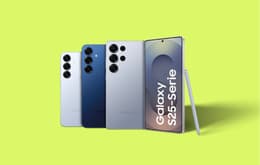
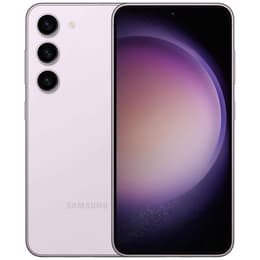
The Samsung Galaxy S23 (2023) and Samsung Galaxy S25 FE (2025) represent two generations of Samsung's refined smartphone ecosystem, catering to users who want flagship-level capabilities in different form factors. While the Galaxy S23 focuses on a compact, pocket-friendly footprint, the Galaxy S25 FE offers a larger viewing space and newer release timeline. Both run on the Android operating system with Samsung's custom interface, providing a familiar software environment despite their different generation footprints.
Available Models
Colour
Storage (GB)
Scores
Durability
When evaluating hardware longevity and software support, both devices benefit from Samsung's multi-year update commitments, though their release dates dictate different end-of-support timelines.
- Release timeline and age: The Galaxy S23 debuted in early 2023, whereas the newer Galaxy S25 FE launched in late 2025, giving the latter a structural advantage in remaining software support duration.
- Software updates: Both models receive regular security patches and major operating system upgrades, though the Galaxy S25 FE will reach its software milestone further into the future due to its newer launch date.
- Repairability and build: Both handsets feature robust aluminum frames and durable glass protection, with standard repair pathways available through certified service networks and quality-assured refurbished options for sustainable device sourcing.
Year of Release
2023
2025
Compatible with latest Update
Yes
Yes
OS
Android
Android
Foldable
No
No
Performance
Daily responsiveness and hardware stamina differ significantly between the two models due to physical sizing variations and internal component generations.
- Battery behavior: The Galaxy S25 FE houses a noticeably larger physical battery capacity that translates to extended screen-on time for demanding users, compared to the more modest cell inside the compact Galaxy S23.
- Multitasking and app execution: Both devices handle daily web browsing, streaming, and intensive background tasks smoothly, maintaining consistent frame rates during heavy usage.
- Storage configurations: Both models offer standard baseline memory capacities alongside larger tiers to accommodate extensive photo libraries and offline media storage.
Screen quality
Display characteristics vary primarily in physical dimensions and viewing scale, while maintaining high panel standards across both generations.
- Display technology: Both smartphones utilize vibrant AMOLED display panels delivering deep contrast levels, sharp text clarity, and wide viewing angles.
- Size and viewing space: The Galaxy S23 provides a compact 6.1-inch display optimized for single-handed operation, whereas the Galaxy S25 FE features an expansive 6.7-inch screen tailored for media consumption and productivity.
- Outdoor visibility: High peak brightness capabilities on both screens ensure legibility under direct sunlight, paired with smooth high refresh rates for fluid scrolling.
Audiovisual
Photography and media capture hardware across both devices deliver reliable results across diverse lighting environments.
- Camera systems: Both models feature capable multi-lens setups anchored by high-resolution primary sensors that capture crisp everyday details.
- Low-light photography: Image processing software on both handsets brightens shadowed scenes effectively while controlling digital noise in evening environments.
- Video and audio: Steady stabilization features support clear video recording, accompanied by balanced stereo speakers that provide clear audio for calls and casual media playback.
Miscellaneous
Physical dimensions, weight distribution, and connectivity features define how each device fits into daily travel and routine handling.
- Handling and ergonomics: The Galaxy S23 measures smaller and weighs less, making it comfortable for pocket carry, while the Galaxy S25 FE offers a wider chassis to accommodate its larger display.
- Connectivity standards: Both smartphones support modern fifth-generation cellular networks, rapid Wi-Fi protocols, and Bluetooth connectivity for wireless accessories.
- Security sensors: Fast biometric authentication is handled via responsive optical fingerprint sensors integrated directly beneath the display glass.
Weight
167 g
190 g
Screen size (in)
6.1
6.7
Mobile network
5G
5G
SIM card
Dual Physical SIM + eSIM
Physical SIM + eSIM
Carrier compatibility
Unlocked
Unlocked
Connector
USB-C
USB-C
What the community thinks
User feedback from online communities highlights distinct preferences for each device based on physical size and release generation. Owners of the Galaxy S23 frequently praise its comfortable one-handed usability and compact footprint, though some heavy users note that the smaller battery requires midday charging during intensive tasks. Conversely, users of the Galaxy S25 FE appreciate the generous screen estate and long-lasting battery capacity, though its larger physical frame is occasionally noted by those who prefer smaller pocketable devices.
Users prioritizing a compact, easily pocketable device for single-handed navigation may prefer the Galaxy S23, while users prioritizing expansive screen space for media and extended battery endurance will lean toward the Galaxy S25 FE. Choosing either model as a quality-assured refurbished option provides an eco-friendly alternative that reduces electronic waste without compromising core functionality. Ultimately, the right choice depends on whether daily habits favor physical compactness or expanded viewing space.