Galaxy S23 Vs iPhone 14

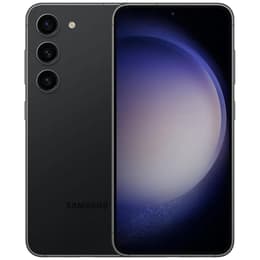
Galaxy S23
Galaxy S23
Starting at

Refurbished price:£186.84

Versus £1,019.00 new

See options
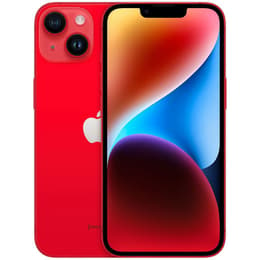
iPhone 14
iPhone 14
Starting at

Refurbished price:£232.00

Versus £599.00 new

See options

Ratings

The Samsung Galaxy S23 (2023) and the Apple iPhone 14 (2022) are two of the most prominent compact flagship smartphones available today. While both devices offer high-end experiences in a pocket-friendly size, they cater to different user preferences through their distinct operating systems—Android and iOS. The Galaxy S23 is often recognised for its versatile triple-camera system and high-refresh-rate display, whereas the iPhone 14 is noted for its consistent video performance and deep integration with the Apple ecosystem. Both models represent a refined approach to mobile technology, focusing on reliability and daily usability for a wide range of users.

Scores

Durability

The Galaxy S23 and iPhone 14 are designed for long-term use, though their software support timelines differ slightly based on manufacturer policies.

  • Software Longevity: The Galaxy S23 is supported by a commitment to four years of major operating system updates and five years of security patches, ensuring it remains functional and secure until at least 2027. In contrast, the iPhone 14 typically receives five to six years of software updates, a standard that has historically provided Apple devices with a slightly longer functional lifespan for users who prioritise the latest features.
  • Physical Build and Repair: Both smartphones feature high-grade aluminium frames and toughened glass, with the iPhone 14 using Ceramic Shield and the Galaxy S23 utilising Gorilla Glass Victus 2. Both devices carry an IP68 rating for dust and water resistance. Recent design changes in both models have made internal components, such as the battery and back glass, more accessible for professional technicians, which contributes to a better overall repairability outlook compared to older generations.

Year of Release

2023

2022

Compatible with latest Update

Yes

Yes

OS

Android

iOS

Foldable

No

No

Performance

In terms of daily responsiveness, both devices handle demanding tasks with ease, though they manage resources differently.

  • System Responsiveness: The Galaxy S23 provides a fluid experience when multitasking or running intensive applications, aided by a high amount of temporary memory that allows multiple apps to stay open in the background. The iPhone 14, while having less physical memory, uses highly optimised software to ensure that transitions are smooth and apps launch quickly without delay. Both devices are well-suited for mobile gaming and high-definition video streaming without noticeable slowdowns.
  • Battery and Charging: For typical daily use, both smartphones are designed to last through a full day of standard activities like browsing, messaging, and navigation. The Galaxy S23 supports faster wired charging and convenient wireless options, while the iPhone 14 focuses on consistent power delivery and efficiency. Users who engage in heavy media consumption may find that both devices require a top-up by the evening, but their efficient internal hardware helps manage power consumption effectively during standby periods.

Memory (GB)

8 GB

6 GB

Screen quality

The viewing experience is one of the most significant points of divergence between these two smartphones, particularly regarding motion and brightness.

  • Display Fluidity: The Galaxy S23 features a display with an adaptive refresh rate that can reach 120Hz, resulting in exceptionally smooth scrolling and animations that feel more responsive to the touch. The iPhone 14 maintains a standard 60Hz refresh rate, which provides a consistent and clear experience but lacks the heightened fluidity found on the Samsung model. This difference is most noticeable when navigating through long menus or playing fast-paced games.
  • Clarity and Outdoor Use: Both devices use advanced OLED technology, offering deep blacks and vibrant colours that make photos and videos look lifelike. The Galaxy S23 has a higher peak brightness, which makes the screen easier to read under direct sunlight or in bright outdoor environments. The iPhone 14 offers excellent colour accuracy and high resolution, ensuring that text remains sharp and media content looks natural in most lighting conditions, though it may be slightly harder to view in extreme glare compared to its competitor.

Resolution

1080 x 2340

1170 x 2532

Screen type

Dynamic AMOLED 2X

Super Retina XDR OLED

Audiovisual

Photography and video capabilities are central to both devices, with each offering a different set of tools for capturing memories.

  • Camera Versatility: The Galaxy S23 includes a dedicated telephoto lens, allowing for 3x optical zoom which is ideal for capturing distant subjects without losing detail. The iPhone 14 lacks a dedicated zoom lens, relying instead on its main and ultra-wide sensors. However, the iPhone 14 is frequently praised for its natural skin tones and its stabilisation for handheld video recording, making it a favourite for social media creators.
  • Media Consumption: Both smartphones are equipped with stereo speakers that produce clear and balanced audio for watching videos or taking calls on speakerphone. The Galaxy S23 supports high-resolution video recording up to 8K, providing plenty of detail for those who like to edit their footage. The iPhone 14 focuses on high-quality 4K recording with features like Cinematic Mode, which adds a professional-looking blur to the background of videos, helping subjects stand out more effectively during filming.

Main camera

50 megapixels

12 megapixels

Front camera

12 megapixels

12 megapixels

Miscellaneous

Beyond the core specs, the physical handling and connectivity of these devices play a major role in the user experience.

  • Connectivity and Ports: The Galaxy S23 uses the widely adopted USB-C port, which is compatible with a vast range of modern accessories and charging cables. The iPhone 14 uses the proprietary Lightning port, which is common among long-time Apple users but requires specific cables. Both devices support 5G connectivity for fast mobile data and include modern Wi-Fi and Bluetooth standards for stable connections to wireless headphones and home networks.
  • Security and Ergonomics: For secure access, the Galaxy S23 uses an ultrasonic fingerprint sensor hidden under the display, which works even if fingers are slightly damp. The iPhone 14 relies on Face ID, a facial recognition system that is highly secure and works well in various lighting conditions. In terms of handling, both devices are relatively lightweight and compact, making them easy to use with one hand, though the Galaxy S23 is slightly narrower, which some users find more comfortable for long-term gripping.

Weight

350 g

172 g

Screen size (in)

6.1

6.1

Mobile network

5G

5G

SIM card

Physical SIM + eSIM

Physical SIM + eSIM

Carrier compatibility

Unlocked

Unlocked

Connector

USB-C

Lightning

When looking at user feedback from various tech communities, the Samsung Galaxy S23 is frequently praised for its vibrant 120Hz screen and the flexibility provided by its telephoto zoom lens. Some users, however, mention that the software interface can feel cluttered compared to simpler alternatives. The iPhone 14 receives consistent praise for its reliable video quality and the ease of use provided by its operating system, though some enthusiasts express a desire for a faster screen refresh rate. The consensus suggests that both are highly capable devices that have aged well since their respective launches.

Users who prioritise customisation, a smoother screen experience, and the ability to zoom in on distant subjects will likely find the Galaxy S23 to be the better fit for their needs. Conversely, those who value a straightforward user interface, superior video stabilisation, and long-term software consistency may lean toward the iPhone 14. Choosing a quality-assured refurbished option allows users to access these high-end features while supporting a more circular economy. The decision rests on which ecosystem and hardware features align with your habits. Opting for a sustainable choice like a refurbished device ensures that these powerful smartphones continue to provide utility without the environmental impact of manufacturing new units.

See all articles

Our recent comparisons