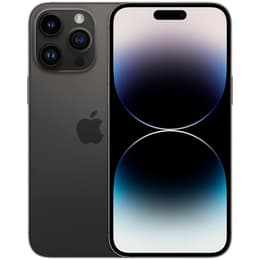
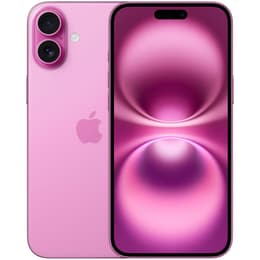

iPhone 14 Pro Max Vs iPhone 16 Plus

iPhone 14 Pro Max
iPhone 14 Pro Max
Starting at

Refurbished price:£327.00

Versus £1,199.00 new

See options
iPhone 16 Plus
iPhone 16 Plus
Starting at

Refurbished price:£502.00

Versus £799.00 new

See options

Ratings

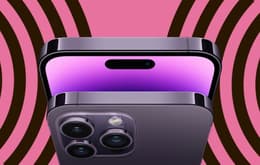
The iPhone 14 Pro Max, released in 2022, and the iPhone 16 Plus, launched in 2024, offer two distinct approaches to the large-screen smartphone experience. While the 14 Pro Max was the top-tier flagship of its year, the 16 Plus brings modern refinements and newer hardware to a more streamlined package. Both devices run the latest iOS, though the newer model is designed to support more advanced software features introduced in recent years. Choosing between them involves weighing professional-grade hardware against updated efficiency and physical controls.

Scores

Durability

The iPhone 14 Pro Max and iPhone 16 Plus are built to last, but they differ in their expected software support timelines and physical construction.

  • Software Longevity: Because the iPhone 16 Plus was released two years after the 14 Pro Max, it is expected to receive iOS updates and security patches for a longer period, potentially remaining current until the early 2030s.
  • Build Materials: The 14 Pro Max uses a stainless steel frame which provides a heavy, sturdy feel, whereas the 16 Plus utilises a lighter aluminium frame and the latest generation of glass protection for improved drop resistance.
  • Repairability: Both models benefit from internal design changes that make screen and back glass replacements more straightforward than in older generations, supporting a longer practical lifespan for the hardware. Opting for an eco-friendly alternative like a refurbished model ensures these durable components stay in use for as long as possible.

Year of Release

2022

2024

Compatible with latest Update

Yes

Yes

Foldable

No

No

Performance

While both smartphones provide a smooth experience for daily tasks, the underlying hardware reflects the two-year gap in their release dates.

  • System Responsiveness: The iPhone 16 Plus is engineered to handle the most demanding modern applications and multitasking with ease, offering a slight edge in speed for future software demands. The 14 Pro Max remains highly capable, running current apps and games without noticeable lag.
  • Battery Endurance: Both devices are designed for heavy users, typically lasting through a full day of intensive use. The 16 Plus benefits from more efficient internal components that manage power effectively during long sessions of video streaming or browsing.
  • Multitasking Capabilities: With ample memory in both models, users can switch between numerous open apps without the system needing to refresh content, though the newer model is better prepared for upcoming resource-heavy features.

Memory (GB)

6 GB

8 GB

Screen quality

The viewing experience on these 6.7-inch displays differs primarily in how they handle motion and static information.

  • Motion Smoothness: The iPhone 14 Pro Max features technology that allows the screen to refresh up to 120 times per second, resulting in very fluid scrolling and animations. The 16 Plus uses a standard refresh rate, which is consistent but lacks that specific level of visual fluidity.
  • Always-On Functionality: Users who like to see the time and notifications at a glance will appreciate the 14 Pro Max's ability to keep the screen dimly active at all times. The 16 Plus screen turns off completely when not in use to conserve energy.
  • Outdoor Visibility: Both screens are designed to be easily readable under direct sunlight, offering high peak brightness levels that ensure text and images remain clear even in bright outdoor environments.

Resolution

1290 x 2796

1290 x 2796

Screen type

LTPO Super Retina XDR OLED

Super Retina XDR OLED

Audiovisual

Photography enthusiasts will find distinct advantages in each model, depending on whether they value optical reach or new physical interfaces.

  • Zoom and Detail: The 14 Pro Max includes a dedicated telephoto lens, allowing for clear close-up shots of distant subjects. It also features a specialised sensor for improved focus in dark environments and professional-style portraits.
  • Modern Controls: The 16 Plus introduces a dedicated physical control for the camera, allowing users to adjust settings like zoom or exposure with a simple slide of the finger. Its main camera is also capable of capturing high-resolution images with natural colour balance.
  • Video and Audio: Both devices record high-quality video with stable footage, even when the user is moving. The microphones are designed to filter out background noise, ensuring clear audio for video calls and recordings.

Main camera

48 megapixels

48 megapixels

Front camera

12 megapixels

12 megapixels

Miscellaneous

Practical daily use is influenced by the physical buttons and the type of cables required for charging and data transfer.

  • Physical Interfaces: The 16 Plus features a modern USB-C port, making it compatible with the same cables used for most modern laptops and tablets. The 14 Pro Max uses the older Lightning connector, which may require specific accessories.
  • Customisable Buttons: The 16 Plus replaces the traditional mute switch with a customisable button that can be programmed to open the torch, camera, or other shortcuts. It also adds a touch-sensitive area specifically for photography tasks.
  • Weight and Handling: Despite having the same screen size, the 16 Plus is noticeably lighter due to its aluminium construction, which may be preferable for users who find larger phones tiring to hold for long periods.

Weight

120 g

199 g

Screen size (in)

6.7

6.7

Mobile network

5G

5G

SIM card

Physical SIM + eSIM

Physical SIM + eSIM

Carrier compatibility

Unlocked

Unlocked

Connector

Lightning

USB-C (USB 2)

User feedback from various forums suggests that the iPhone 14 Pro Max is still highly regarded for its smooth 120Hz display and versatile triple-camera system. However, some users note its significant weight as a drawback for one-handed use. Conversely, the iPhone 16 Plus is praised for its comfortable, lighter design and the convenience of USB-C, though some enthusiasts miss the smoother screen technology found on the Pro models.

Users who prioritise a professional-grade display with fluid motion and a dedicated zoom lens will find the iPhone 14 Pro Max aligns well with their needs. This model remains a powerful choice for those who want flagship features that were ahead of their time. On the other hand, users who prefer a lighter device with the latest physical controls and the longest possible software support may lean toward the iPhone 16 Plus. Choosing a quality-assured refurbished option for either model is a sustainable choice that helps reduce electronic waste while providing a reliable, high-performance smartphone. Ultimately, the decision rests on whether you value the professional hardware of 2022 or the modern efficiency and updated connectivity of 2024.

See all articles

Our recent comparisons