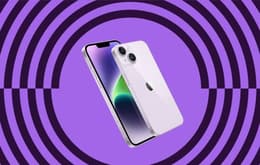
iPhone 16 Plus Vs Sony Xperia 1 IV

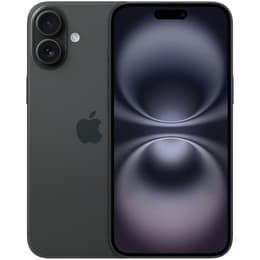
iPhone 16 Plus
iPhone 16 Plus
Starting at

Refurbished price:£503.46

Versus £799.00 new

See options
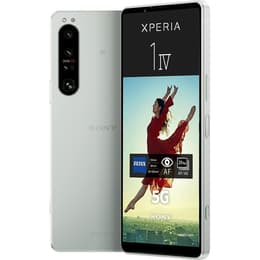
Sony Xperia 1 IV
Sony Xperia 1 IV
Starting at

Refurbished price:£346.00

Versus £1,500.00 new

See options

Ratings

The iPhone 16 Plus, released in September 2024, and the Sony Xperia 1 IV, launched in May 2022, represent distinct philosophies in the smartphone market. While both offer premium experiences, they cater to different user priorities. The iPhone 16 Plus operates within Apple's iOS ecosystem, focusing on integrated services and user-friendly computational features, whereas the Sony Xperia 1 IV runs on Android, emphasizing manual control over its advanced camera system and a unique display for media enthusiasts.

Scores

Durability

When considering the long-term usability of these devices, their release timelines and software support are key differentiators. The iPhone 16 Plus, being a more recent release, benefits from a longer expected period of software updates and security patches compared to the Sony Xperia 1 IV.

  • Release Timeline: The iPhone 16 Plus was released in September 2024, making it a more current device. The Sony Xperia 1 IV was launched in May 2022, positioning it as an older flagship in the current market.
  • Software Longevity: Apple typically provides extensive iOS support, with the iPhone 16 Plus expected to receive updates until approximately 2031, offering a longer software lifespan. The Sony Xperia 1 IV launched with Android 12 and received updates up to Android 14, aligning with Sony's policy of providing two major Android updates for its Xperia smartphones.
  • Physical Durability: Both devices feature robust build quality. The iPhone 16 Plus incorporates Ceramic Shield on the front and is rated IP68 for water and dust resistance. The Sony Xperia 1 IV uses Gorilla Glass Victus on both its front and back, and carries an IP65/IP68 rating for water and dust protection.

Year of Release

2024

2022

Compatible with latest Update

Yes

No

Foldable

No

No

Performance

Performance is a critical aspect for any smartphone, influencing everything from app responsiveness to gaming experiences. These two devices approach performance with different hardware and software optimizations.

  • System Responsiveness: The iPhone 16 Plus is powered by a current-generation Apple A-series chip, which provides smooth operation across applications and efficient multitasking. The Sony Xperia 1 IV, featuring a Snapdragon 8 Gen 1 processor and 12GB of RAM, handles demanding apps and multitasking effectively, though some users have noted it can generate heat during intensive tasks.
  • Storage Options: The iPhone 16 Plus is available with 128GB, 256GB, or 512GB of internal storage. The Sony Xperia 1 IV offers 256GB or 512GB internal storage, with the added flexibility of expandable storage up to 1TB via a microSD card.
  • Battery Behavior: The iPhone 16 Plus is equipped with a 4674 mAh battery and is designed for efficient power management within the iOS ecosystem, often providing reliable all-day usage. The Sony Xperia 1 IV has a 5000 mAh battery, but its 4K display and processor can lead to faster battery drain during heavy use, with some users reporting it may not consistently last a full day under demanding conditions.

Memory (GB)

8 GB

12 GB

Screen quality

The visual experience is a primary interaction point for users, and both devices offer high-quality displays, albeit with different characteristics and strengths.

  • Display Technology and Resolution: The Sony Xperia 1 IV features a 6.5-inch 4K HDR OLED display with a resolution of 3840 x 1644 pixels, offering exceptional clarity and detail, particularly when viewing high-resolution content. The iPhone 16 Plus comes with a 6.7-inch Super Retina XDR OLED display, providing vibrant colors and deep blacks with a resolution of 2796 x 1290 pixels.
  • Refresh Rate and Brightness: The Xperia 1 IV boasts a 120Hz refresh rate for smoother scrolling and motion, along with a 240Hz touch sampling rate for responsive interactions. Its display also offers improved brightness over its predecessor, though some users have found it can still be challenging to view in very bright outdoor conditions. The iPhone 16 Plus features a 60Hz refresh rate but offers a high peak outdoor brightness of 2,000 nits, ensuring good visibility in various lighting environments.
  • Aspect Ratio and Viewing Experience: The Sony Xperia 1 IV's 21:9 aspect ratio provides a cinematic viewing experience, filling the screen without black bars for compatible content. The iPhone 16 Plus offers a more traditional aspect ratio, providing a large and immersive display for general content consumption and daily tasks.

Resolution

1290 x 2796

1644 x 3840

Screen type

Super Retina XDR OLED

OLED

Audiovisual

Both smartphones offer advanced camera systems, but they cater to different photographic styles, with one emphasizing computational photography and the other offering extensive manual control.

  • Rear Camera Systems: The iPhone 16 Plus features a dual-camera setup with a 48MP main sensor that can achieve a 2x telephoto effect through cropping, alongside a 12MP ultrawide lens. The Sony Xperia 1 IV is equipped with a versatile triple 12MP camera system, including a main lens, an ultrawide lens, and a unique telephoto lens with true optical zoom capabilities ranging from 85mm to 125mm.
  • Photography and Video Features: The iPhone 16 Plus excels in computational photography with features like Photonic Engine and Smart HDR 5, designed to produce optimized images with minimal user input. It also supports Spatial Video capture. The Xperia 1 IV, tuned by Sony's Alpha camera division, offers extensive manual controls, Real-time Eye AF, object tracking, and the ability to record 4K video at 120fps across all its lenses, appealing to users who prefer a more hands-on approach to photography and videography.
  • User Experience and Performance: While the iPhone 16 Plus delivers consistent results in various conditions, the Xperia 1 IV's manual controls allow for greater creative flexibility. However, some users have noted that the Xperia 1 IV's auto mode and low-light performance may not match the computational prowess of some competitors, and it can experience overheating during prolonged camera use.

Main camera

48 megapixels

12 megapixels

Front camera

12 megapixels

12 megapixels

Miscellaneous

Beyond the core features, several practical elements contribute to the overall user experience, from connectivity to physical design and additional functionalities.

  • Connectivity and Ports: The iPhone 16 Plus supports 5G, Wi-Fi 7, and Bluetooth 5.3, and features a USB-C port for charging and data transfer. The Sony Xperia 1 IV also offers 5G, Wi-Fi 6, and Bluetooth 5.2, and includes a USB-C port. Uniquely, it retains a 3.5mm headphone jack and supports microSD card expansion up to 1TB, features less common in modern flagships.
  • Biometric Security and Sensors: The iPhone 16 Plus relies on Face ID for secure facial recognition. The Sony Xperia 1 IV utilizes a side-mounted fingerprint sensor for biometric authentication. Both devices include a range of sensors for navigation and functionality.
  • Design and Handling: The iPhone 16 Plus features a familiar design with Ceramic Shield for durability and includes the Action button for customizable shortcuts. The Xperia 1 IV has a distinctive tall and narrow 21:9 form factor, which some users find comfortable for one-handed use, and a dedicated physical camera shutter button.

Weight

199 g

185 g

Screen size (in)

6.7

6,5

Mobile network

5G

5G

SIM card

Physical SIM + eSIM

Physical SIM + eSIM

Carrier compatibility

Unlocked

Unlocked

Connector

USB-C (USB 2)

USB-C + Jack 3.5mm

The iPhone 16 Plus and Sony Xperia 1 IV cater to different user preferences, each excelling in specific areas. The iPhone 16 Plus is often praised for its seamless integration within the Apple ecosystem, consistent camera performance driven by advanced computational photography, and a long software support lifespan. Users appreciate its bright display and reliable overall performance for everyday tasks and demanding applications. Some common feedback points for the iPhone 16 Plus include its 60Hz display refresh rate, which might be perceived as less fluid compared to devices with higher refresh rates.

The Sony Xperia 1 IV garners acclaim for its unique 4K OLED display, offering unparalleled resolution for media consumption, and its highly versatile camera system with true optical zoom and extensive manual controls, appealing to photography and videography enthusiasts. Its inclusion of a 3.5mm headphone jack and expandable storage are also frequently highlighted as significant advantages. However, user feedback often points to concerns regarding battery life under heavy usage, potential overheating during intensive camera or gaming sessions, and a shorter software update commitment compared to some competitors. Some users have also reported issues with the fingerprint sensor.

Users prioritizing a device with a long software support window, a highly integrated ecosystem, and consistent, user-friendly camera performance may find the iPhone 16 Plus well-suited to their needs. Conversely, individuals who value a high-resolution cinematic display, extensive manual camera controls for creative work, and features like a headphone jack and expandable storage will likely lean towards the Sony Xperia 1 IV. Both devices offer quality-assured refurbished options, providing an eco-friendly alternative for consumers seeking premium technology with a reduced environmental impact.

See all articles

Our recent comparisons