
Google Pixel 8a Vs iPhone 16 Pro

Google Pixel 8a
Google Pixel 8a
Starting at

Refurbished price:£216.00

Versus £467.97 new

See options
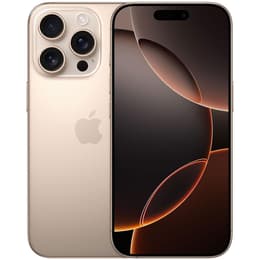
iPhone 16 Pro
iPhone 16 Pro
Starting at

Refurbished price:£564.00

Versus £999.00 new

See options

Ratings

The Google Pixel 8a, released in May 2024, and the iPhone 16 Pro, launched in September 2024, represent distinct approaches to the modern smartphone experience. While the Pixel 8a focuses on delivering advanced AI capabilities and computational photography within the Android ecosystem, the iPhone 16 Pro emphasizes raw performance, a sophisticated camera system, and the integrated iOS experience. Both devices offer compelling features, but cater to users with differing priorities in terms of software, hardware, and overall functionality.

Scores

Durability

When considering the long-term usability of these devices, their respective release timelines and software support policies are key factors.

  • Software Longevity: The Google Pixel 8a stands out with a commitment to seven years of operating system and security updates, offering an extended period of software support. The iPhone 16 Pro, running on iOS, typically receives 5-6 years of major iOS updates from its release, followed by security updates. [6, 8, 13, 15]
  • Physical Durability: The iPhone 16 Pro features Ceramic Shield glass on the front and an IP68 water and dust resistance rating, indicating a high level of protection against environmental elements. The Pixel 8a utilizes Gorilla Glass 3 for its display and carries an IP67 rating, providing robust, though slightly less extensive, protection against dust and water immersion. [1, 8, 9, 14, 15, 17]
  • Expected Lifespan: Both devices are built to last, with their respective manufacturers providing ongoing support and durable materials. Users prioritizing the absolute longest software update cycle might lean towards the Pixel 8a, while the iPhone 16 Pro offers a premium build designed for sustained use.

Year of Release

2024

2024

Compatible with latest Update

Yes

Yes

Foldable

No

No

Performance

The performance of a smartphone significantly impacts daily interactions, from app responsiveness to handling demanding tasks.

  • Processing Power: The iPhone 16 Pro is equipped with the A18 Pro chip, which delivers substantial performance enhancements, particularly for intensive applications, advanced gaming, and complex AI tasks. The Google Pixel 8a features the Tensor G3 chip, designed to provide smooth performance for everyday use, efficient multitasking, and a strong focus on on-device artificial intelligence features. [2, 3, 4, 6, 10, 14, 20, 26]
  • Multitasking and Storage: Both devices come with 8GB of RAM, enabling efficient multitasking and smooth transitions between applications. The Pixel 8a offers storage options of 128GB and 256GB, while the iPhone 16 Pro provides a wider range, including 128GB, 256GB, 512GB, and 1TB, catering to users with extensive storage needs. [2, 5, 6, 15, 17, 26, 33]
  • Real-world Responsiveness: Users of the iPhone 16 Pro can expect exceptionally fast app loading and fluid operation even with the most graphically demanding games and professional-grade applications. The Pixel 8a handles typical smartphone activities, web browsing, and social media with ease, with its processor optimized for Google's AI-driven features. [6, 20, 37]

Memory (GB)

8 GB

8 GB

Screen quality

The display is a primary interface for smartphone interaction, and both devices offer high-quality viewing experiences with distinct characteristics.

  • Display Technology and Clarity: Both the Google Pixel 8a and the iPhone 16 Pro feature OLED displays, known for deep blacks and vibrant colors. The Pixel 8a has a 6.1-inch OLED screen with a 2400 x 1080 resolution, resulting in clear visuals. The iPhone 16 Pro boasts a slightly larger 6.3-inch Super Retina XDR OLED display with a resolution of 2622 x 1206 pixels, offering a comparable pixel density. [1, 2, 4, 8, 9, 11, 12, 13, 17, 22, 23, 25, 26, 37]
  • Brightness and Smoothness: Both displays support a 120Hz refresh rate, providing smooth scrolling and responsive interactions. The iPhone 16 Pro's ProMotion technology allows for dynamic adjustment of the refresh rate. Both devices offer high peak brightness levels, reaching up to 2000 nits, ensuring good visibility even in bright outdoor conditions. [1, 8, 9, 14, 17, 22, 23, 25, 26, 37]
  • Viewing Experience: The iPhone 16 Pro features thinner bezels and an Always-On display, contributing to a more expansive and immersive viewing experience. The Pixel 8a's display, while vibrant and smooth, has slightly more noticeable bezels. [1, 2, 12, 14, 22, 23, 28, 29]

Resolution

1080 x 2400

1206 x 2622

Screen type

OLED

LTPO Super Retina XDR OLED

Audiovisual

Camera capabilities are a significant differentiator, with both devices excelling in different aspects of photography and videography.

  • Rear Camera Systems: The Google Pixel 8a features a dual-camera setup with a 64MP main sensor and a 13MP ultrawide lens, leveraging Google's computational photography for impressive image processing. The iPhone 16 Pro offers a more versatile triple-camera system, including a 48MP main sensor, an upgraded 48MP ultrawide lens, and a telephoto lens with 5x optical zoom, providing greater hardware flexibility. [6, 9, 15, 19, 21, 24, 25, 30, 31, 32, 33, 36]
  • Photography and Video Features: The Pixel 8a is known for its AI-powered features like Magic Eraser, Photo Unblur, and Best Take, enhancing everyday photos. It supports 4K 60fps video recording. The iPhone 16 Pro offers advanced video capabilities such as 4K 120fps slow motion, Apple Log video, ProRes, Cinematic Mode, and Action Mode, catering to more professional video production. [18, 21, 24, 30, 34, 35, 36, 39]
  • Audio Experience: Both devices provide clear audio for calls and media consumption. The Pixel 8a includes features like Audio Magic Eraser to improve video sound quality. The iPhone 16 Pro's advanced microphone systems contribute to high-quality audio capture in videos. [21, 30]

Main camera

64 megapixels

48 megapixels

Front camera

13 megapixels

12 megapixels

Miscellaneous

Beyond core features, several practical elements contribute to the overall user experience and device utility.

  • Connectivity and Ports: Both smartphones support 5G connectivity for fast mobile data. The iPhone 16 Pro features Wi-Fi 7, offering faster and more stable wireless connections, while the Pixel 8a supports Wi-Fi 6E. Both devices utilize a USB-C port for charging and data transfer, with the iPhone 16 Pro supporting faster USB 3 transfer speeds. [1, 2, 8, 15, 25, 29, 33, 38]
  • Biometric Security and Interaction: The Pixel 8a includes an under-display fingerprint sensor and Face Unlock for secure access. The iPhone 16 Pro relies on Face ID for facial recognition. The iPhone 16 Pro also introduces an Action Button and a new Camera Control button, offering customizable shortcuts and enhanced camera control. [27, 29, 38, 42]
  • Design and Handling: The Pixel 8a has a matte plastic back and an aluminum frame, offering a comfortable grip and a compact feel. The iPhone 16 Pro features a titanium frame and Ceramic Shield glass, contributing to a premium build and enhanced durability. The iPhone 16 Pro is slightly larger and heavier than the Pixel 8a. [1, 8, 9, 15, 22, 23, 37]

Weight

188 g

199 g

Screen size (in)

6.1

6.3

Mobile network

5G

5G

SIM card

Physical SIM + eSIM

Physical SIM + eSIM

Carrier compatibility

Unlocked

Unlocked

The Google Pixel 8a and iPhone 16 Pro cater to different user preferences, each offering a compelling set of features. Users often praise the Pixel 8a for its exceptional camera performance, particularly its computational photography and AI editing tools, which simplify complex tasks. [21, 28, 39] Its extended software support is also a frequently highlighted advantage, ensuring longevity. [6, 8, 13, 15] However, some users have noted concerns regarding its charging speed and the presence of noticeable display bezels. [12, 28, 37]

The iPhone 16 Pro, on the other hand, receives acclaim for its powerful processing capabilities, making it well-suited for demanding applications and advanced gaming. [3, 14, 20] Its sophisticated camera system, with advanced video features and optical zoom, is highly valued by photography and videography enthusiasts. [18, 24, 33, 34] User feedback often points to its premium build quality and the seamless integration within the iOS ecosystem as significant positives. [40] Some users, however, find Apple's AI implementation to be less mature compared to competitors. [40]

Users prioritizing a streamlined Android experience with a strong emphasis on AI-driven camera features and long-term software support may find the Google Pixel 8a to be a suitable choice. Conversely, individuals seeking top-tier performance, a highly versatile camera system with advanced video capabilities, and the robust iOS ecosystem will likely lean towards the iPhone 16 Pro. Both devices represent excellent options, and considering a quality-assured refurbished option for either model can be a sustainable choice for consumers.

See all articles

Our recent comparisons