Compare models
iPhone 16 Pro Vs iPhone Air
- 1-year minimum warranty
- Free delivery on all items
- Free 30-day returns
Differences at a glance
The iPhone 16 Pro (2024) and the iPhone Air (2025) represent distinct approaches to smartphone design within Apple's ecosystem. While the iPhone 16 Pro focuses on a compact powerhouse configuration with a versatile multi-lens layout, the iPhone Air prioritizes an ultra-thin profile and a larger viewing area. Both devices run on advanced operating system versions and cater to users seeking high-end performance, though they achieve this through different physical and functional choices.
Available Models
Colour
Storage (GB)
Scores
Durability
When examining hardware durability and software support lifespans, both devices offer robust long-term reliability backed by multi-year update schedules and sturdy titanium-based chassis designs.
- Software Longevity: Both models receive extended operating system and security updates, though the iPhone Air benefits from a one-year newer release timeline.
- Repairability and Build: Both devices feature scratch-resistant glass and structural metal frames designed to withstand daily wear, alongside standard repair support options.
- Expected Lifespan: High-tier hardware specifications and ample internal memory ensure both models will remain functional and responsive for many years of daily use.
Year of Release
2024
2025
Performance
System responsiveness and everyday operation differ slightly based on internal memory allowances and thermal volumes, though both handle demanding applications smoothly.
- Multitasking and Processing: Both devices execute intensive tasks, gaming, and background processes rapidly, with the iPhone Air featuring a higher baseline memory capacity for managing multiple open apps simultaneously.
- Storage Configurations: Both lineups provide ample space for large media libraries and documents, starting with generous baseline capacities.
- Battery Behavior: The thicker profile of the iPhone 16 Pro accommodates a slightly different battery architecture compared to the ultra-slim casing of the iPhone Air, though both comfortably manage typical daily workflows before requiring a recharge.
Screen quality
Display characteristics vary primarily in physical dimensions and peak illumination thresholds, while both maintain high visual clarity and fluid motion handling.
- Display Technology: Both models employ advanced OLED panels featuring deep contrast, rich color reproduction, and adaptive refresh rates reaching up to 120Hz for seamless scrolling.
- Size and Brightness: The iPhone Air offers a larger 6.5-inch viewing area, whereas the iPhone 16 Pro provides a more compact 6.3-inch screen; both achieve high outdoor peak brightness levels for clear visibility under direct sunlight.
- Visual Experience: High pixel densities on both screens ensure crisp text rendering and immersive media consumption, complemented by always-on capabilities.
Audiovisual
Photography and audio capabilities highlight a major philosophical divergence between a multi-lens imaging array and a streamlined single-lens approach.
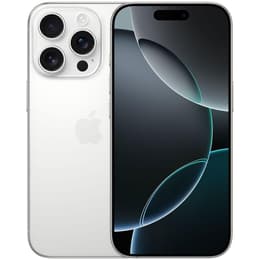
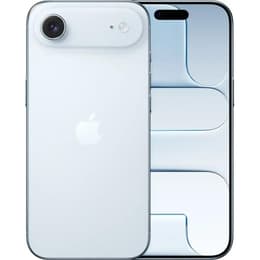
- Camera Systems: The iPhone 16 Pro includes a versatile triple-lens setup with optical zoom flexibility, while the iPhone Air utilizes a high-resolution single 48-megapixel main camera system.
- Media and Video: Both units deliver detailed high-definition video recording and sharp low-light photography, though multi-lens systems provide wider framing choices for distant subjects.
- Audio and Calls: Built-in microphone arrays and speaker output produce clear voice call quality and balanced media playback for everyday communication and entertainment.
Miscellaneous
Physical handling characteristics and connectivity standards define how each device integrates into everyday travel and professional routines.
- Dimensions and Weight: The iPhone Air stands out with an exceptionally thin 5.6 mm profile and lighter weight, while the iPhone 16 Pro offers a more traditional, slightly thicker grip footprint.
- Connectivity: Both models support rapid wireless networking standards, satellite communication for emergencies, and secure facial recognition authentication.
- Ports and Ecosystem: Each device utilizes a standard USB-C port for charging and data synchronization, integrating smoothly with modern accessories and quality-assured refurbished options available on platforms like Back Market.
Screen size (in)
6.3
6.5
Mobile network
5G
5G
SIM card
Physical SIM + eSIM
eSIM
Carrier compatibility
Unlocked
Unlocked
Connector
USB-C (USB 3)
USB-C
What the community thinks
Community discussions and user feedback indicate that consumer preference between these two models largely depends on physical form factor preferences and photography priorities. Users frequently praise the iPhone 16 Pro for its comprehensive multi-lens camera versatility and compact grip, while the iPhone Air receives strong acclaim for its remarkably slim profile, lightweight feel, and larger display area. Some users note that the ultra-thin design of the iPhone Air limits physical space for extra camera lenses, whereas others point out that the thicker build of the iPhone 16 Pro houses a more traditional internal layout.
Users prioritizing maximum photographic flexibility and a smaller handheld footprint will find the iPhone 16 Pro well-suited to their daily routines, while users prioritizing an expansive screen housed within an exceptionally thin, lightweight chassis may lean toward the iPhone Air. Selecting either model as a sustainable choice is further simplified by exploring quality-assured refurbished options, allowing consumers to make an eco-friendly decision without compromising on modern smartphone capabilities.