
Google Pixel 9 Pro Fold Vs iPhone 14 Pro Max

Google Pixel 9 Pro Fold
Starting at

Refurbished price:£538.00

Versus £1,739.49 new

See options
iPhone 14 Pro Max
iPhone 14 Pro Max
Starting at

Refurbished price:£325.00

Versus £1,199.00 new

See options

Ratings

The Google Pixel 9 Pro Fold (2024) and the iPhone 14 Pro Max (2022) represent two distinct philosophies in modern smartphone design. While the Pixel 9 Pro Fold introduces a versatile folding mechanism that transforms a standard-sized phone into a compact tablet, the iPhone 14 Pro Max remains a refined example of the traditional flagship slab. Running on Android and iOS respectively, these devices offer different ecosystems and user experiences tailored to diverse digital lifestyles.

Choosing between them involves deciding whether you prioritise the innovative flexibility of a massive, foldable screen or the established reliability of a high-performance traditional smartphone. Both models cater to users seeking a large-screen experience, but they achieve this through very different hardware formats and software features.

Scores

Durability

The physical build and software support timelines of these two devices reflect their different release years and design philosophies.

  • Software Longevity: The Pixel 9 Pro Fold, launched in 2024, comes with a commitment from Google for seven years of operating system and security updates, extending its functional life until 2031. The iPhone 14 Pro Max, released in 2022, typically receives around six years of major software updates, meaning it will likely remain current until approximately 2028, with security patches continuing thereafter.
  • Physical Construction: The iPhone 14 Pro Max features a rigid stainless steel frame and strengthened glass, offering high resistance to dust and water. The Pixel 9 Pro Fold uses a complex hinge and a flexible internal screen, which, while durable for its class, involves moving parts that require more careful handling than a standard non-folding device.
  • Repairability: Both manufacturers provide access to genuine parts, though the intricate nature of a folding display generally makes the Pixel more complex to service compared to the more conventional construction of the iPhone.

Year of Release

2024

2022

Compatible with latest Update

Yes

Yes

OS

Android

iOS

Foldable

Yes

No

Performance

While both smartphones offer smooth operation, they are engineered to handle daily tasks and demanding applications in distinct ways.

  • System Responsiveness: The Pixel 9 Pro Fold is equipped with a high amount of temporary memory to handle the demands of running multiple apps simultaneously on its large internal screen. The iPhone 14 Pro Max benefits from highly efficient software integration that ensures apps open quickly and animations remain fluid during intensive use.
  • Battery Behaviour: In real-world usage, the iPhone 14 Pro Max is noted for its ability to comfortably last through a full day of heavy activity. The Pixel 9 Pro Fold also provides all-day battery life, though power consumption can vary depending on how frequently the larger internal display is used compared to the smaller outer screen.
  • Task Management: Both devices handle demanding applications like high-definition video editing and gaming without significant lag. The Pixel focuses on smart features for productivity, while the iPhone prioritises a consistent, high-speed experience across its entire app library.

Memory (GB)

16 GB

6 GB

Screen quality

The display technology represents the most significant divergence between these two models, catering to different visual preferences.

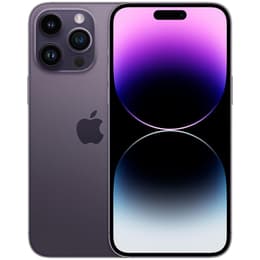
  • Display Versatility: The Pixel 9 Pro Fold features a dual-screen setup, including a 6.3-inch outer display for quick interactions and a massive 8-inch internal OLED panel for an immersive, tablet-like experience. The iPhone 14 Pro Max uses a single 6.7-inch high-quality OLED screen that is exceptionally bright and clear for all types of media.
  • Visual Smoothness: Both phones employ adaptive refresh technology, which ensures that scrolling through text and playing games looks incredibly smooth. The iPhone includes an interactive notch area at the top of the screen for notifications, while the Pixel provides a nearly borderless view on its large internal display.
  • Outdoor Readability: Each device is engineered to be easily readable in direct sunlight, featuring high peak brightness levels that maintain clarity and colour accuracy even in bright outdoor environments.

Resolution

2076 x 2152

1290 x 2796

Audiovisual

Both devices provide sophisticated camera systems that allow users to capture high-quality images and video in a variety of environments.

  • Photography Performance: The Pixel 9 Pro Fold is highly regarded for its still photography, using advanced software to produce sharp, well-balanced images with accurate skin tones and excellent low-light performance. The iPhone 14 Pro Max captures detailed photos with natural colours and offers a dedicated mode for close-up shots.
  • Video Quality: The iPhone 14 Pro Max is often preferred for video recording due to its stable output and professional-grade features like depth-of-field video modes. The Pixel 9 Pro Fold provides smooth video and unique filming angles made possible by its folding design, such as using the phone as its own tripod.
  • Audio Experience: Both devices feature dual speakers that deliver clear, loud sound for media consumption. The microphone arrays are designed to filter out background noise, ensuring high-quality audio for calls and voice recordings.

Front camera

10 megapixels

12 megapixels

Miscellaneous

Practical features such as connectivity standards and security sensors play a vital role in how these devices function in a modern workflow.

  • Connectivity and Ports: The Pixel 9 Pro Fold uses the universal USB-C standard for charging and data transfer, while the iPhone 14 Pro Max uses the Lightning port. Both support high-speed 5G mobile data and modern Bluetooth for connecting wireless accessories.
  • Security Sensors: The iPhone 14 Pro Max relies on sophisticated facial recognition for secure unlocking and payments. The Pixel 9 Pro Fold offers both facial recognition and a fingerprint sensor built into the power button, providing users with multiple ways to access their device quickly.
  • Handling and Weight: Due to its folding design, the Pixel is heavier and thicker when closed than the iPhone. The iPhone 14 Pro Max is a large, wide device with a stainless steel frame that feels substantial in the hand and may require two-handed use for some tasks.

Weight

257 g

120 g

Screen size (in)

8.0

6.7

Mobile network

5G

5G

SIM card

Physical SIM + eSIM

Physical SIM + eSIM

Carrier compatibility

Unlocked

Unlocked

Connector

USB-C

Lightning

User discussions often highlight the Google Pixel 9 Pro Fold as a versatile tool for those who enjoy having a tablet-sized screen in their pocket, with many praising the ability to view multiple apps at once. However, some users remain cautious about the long-term resilience of folding components compared to traditional designs. In contrast, the iPhone 14 Pro Max is frequently praised for its consistent battery performance and the reliability of its operating system, even if its design is seen as more traditional.

Users who prioritise a massive workspace for reading, multitasking, or watching videos on the go will likely find the Pixel 9 Pro Fold aligns best with their needs. Those who value a proven, durable design with a focus on high-quality video recording and a straightforward user experience may lean toward the iPhone 14 Pro Max. Choosing a quality-assured refurbished option for either device is a sustainable choice that helps reduce electronic waste while providing a high-performance smartphone. Ultimately, the decision rests on whether the innovative flexibility of a folding screen or the established reliability of a flagship slab better suits your daily routine. This eco-friendly alternative ensures that these powerful tools continue to be useful for years to come.


See all articles

Our recent comparisons