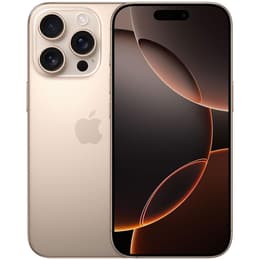

Compare models
Google Pixel 10 Pro Vs iPhone 16 Pro
- 1-year minimum warranty
- Free delivery on all items
- Free 30-day returns
Differences at a glance
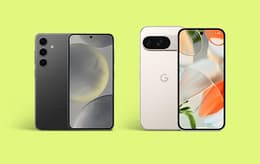
The Google Pixel 10 Pro (2025) and the iPhone 16 Pro (2024) represent top-tier smartphone design from leading developers, offering sophisticated features in compact high-end form factors. While both models deliver advanced computing capabilities and polished hardware, they operate on different software ecosystems, with the Google Pixel 10 Pro running Android and the iPhone 16 Pro utilizing iOS. These devices provide distinct approaches to mobile technology through unique user interfaces, camera processing philosophies, and hardware layouts.
Available Models
Colour
Storage (GB)
Scores
Durability
Both handsets are engineered for multi-year usage, supported by robust update schedules and durable assembly standards.
- Software Lifespan: Google provides multi-year operating system and security updates for the Pixel series, matching Apple's long-standing tradition of extended software support for the iPhone 16 Pro to ensure long-term stability.
- Build Integrity: Both devices incorporate scratch-resistant glass panels and sturdy metallic frames designed to withstand daily wear and tear.
- Repairability: Standardized internal components allow professional repair technicians to service screens and batteries efficiently, supporting a sustainable lifecycle when choosing a quality-assured refurbished option.
Year of Release
2025
2024
Performance
Underneath their exteriors, both devices handle intensive workloads, multitasking, and daily navigation with notable fluidity.
- Processing Power: Both smartphones utilize current-generation processing architecture that loads heavy applications instantly, runs demanding mobile games without stuttering, and switches between multiple background apps smoothly.
- Memory and Storage: Generous random access memory capacity on both models enables seamless multitasking, backed by varied internal storage tiers to accommodate large media libraries and documents.
- Energy Efficiency: Advanced power management routines optimize battery consumption during everyday use, though heavy tasks like extended video recording or gaming will require a recharge before the end of a full day.
Screen quality
Visual output on both handsets utilizes advanced display technology tailored for sharp text reproduction and vivid media consumption.
- Display Technology: Both models feature bright OLED screens with adaptive refresh rates scaling up to 120Hz, ensuring fluid scrolling animations and deep contrast levels.
- Outdoor Visibility: High peak brightness capabilities allow both screens to remain clearly legible under direct sunlight or bright ambient lighting conditions.
- Color Accuracy: Calibrated panels deliver true-to-life color reproduction, making both devices well-suited for photo editing and cinematic video viewing.
Audiovisual
Imaging hardware and computational processing on both phones deliver detailed photographs and stable video recordings across varied lighting conditions.
- Lens Array: Both devices feature a versatile multi-lens setup, including a high-resolution main camera, an ultra-wide sensor, and a telephoto option with optical zoom capabilities.
- Low-Light Performance: Advanced sensor sensitivity and computational enhancement capture clear details in dim environments without introducing excessive visual noise.
- Audio and Video: Studio-quality multi-microphone arrays record crisp sound for voice calls and video capture, matching smooth 4K recording features and balanced stereo speaker output.
Miscellaneous
Practical physical and connectivity attributes shape how each device fits into everyday routines and accessory ecosystems.
- Connectivity Standards: Both models support rapid 5G cellular networks, high-speed Wi-Fi standards, and modern Bluetooth protocols for reliable wireless accessories.
- Physical Ports and Charging: Universal USB-C ports handle wired data transfers and power delivery, complemented by fast wireless charging compatibility.
- Handling and Dimensions: Ergonomic widths and manageable weights allow comfortable one-handed use, supported by official water and dust resistance ratings for environmental protection.
Screen size (in)
6.3
6.3
Mobile network
5G
5G
SIM card
Physical SIM + eSIM
Physical SIM + eSIM
Carrier compatibility
Unlocked
Unlocked
Connector
USB-C
USB-C (USB 3)
What the community thinks
Community discussions and user feedback indicate that consumer preference between these two flagships often centers on software ecosystem familiarity. Users praising the Google Pixel 10 Pro frequently highlight its conversational artificial intelligence integration, clean interface customization, and natural photography style. Conversely, users favoring the iPhone 16 Pro often point to its seamless ecosystem integration with other Apple devices, robust video editing tools, and consistent hardware reliability.
Users prioritizing deep software customization, automated task assistance, and flexible file management may prefer the Google Pixel 10 Pro. Meanwhile, users focusing on smooth tablet and computer synchronization, polished application optimization, and long-term resale retention often lean toward the iPhone 16 Pro. Both smartphones deliver capable performance, making a quality-assured refurbished option an eco-friendly alternative for conscious consumers seeking advanced technology.