Compare models
Galaxy S25 Vs Galaxy S26 Ultra
- 1-year minimum warranty
- Free delivery on all items
- Free 30-day returns
Differences at a glance
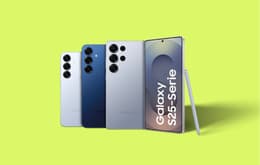
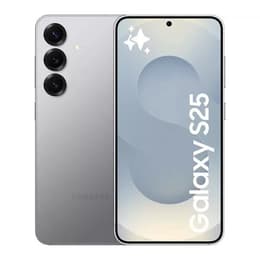
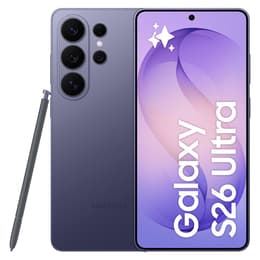
The Samsung Galaxy S25 (2025) and the Samsung Galaxy S26 Ultra (2026) represent different tiers and release years within Samsung's flagship smartphone family. While both devices deliver high-end mobile capabilities, the Galaxy S25 focuses on a compact and lightweight form factor, whereas the Galaxy S26 Ultra offers a larger screen, expansive workspace, and a versatile multi-lens camera system.
Both smartphones run on Android operating systems paired with Samsung's custom interface, providing access to contemporary smart features, though their physical footprints and targeted everyday experiences diverge significantly.
Available Models
Colour
Storage (GB)
Scores
Durability
When evaluating longevity, both devices benefit from long-term manufacturer support, though their release schedules place them at different stages of their product lifecycles.
- Software Support Duration: Both models receive extended software and security updates spanning multiple years from their respective launch dates, with the newer model providing an extended timeline due to its later release year.
- Build and Repairability: Both smartphones utilize durable glass and aluminum construction combined with official water resistance ratings, though users looking for a sustainable, quality-assured alternative often turn to a certified refurbished option to extend device life cycles.
- Expected Lifespan: Both devices maintain robust hardware durability designed to support multi-year daily use without noticeable degradation in core responsiveness.
Year of Release
2025
2026
OS
Android
Android
Foldable
No
No
Performance
System responsiveness and everyday utility differ primarily in physical multitasking space and thermal management capabilities between the compact standard model and the larger ultra-tier device.
- App Loading and Multitasking: Both models handle demanding applications, heavy multi-window usage, and resource-intensive mobile gaming smoothly and without stuttering.
- Memory and Storage: The Galaxy S25 provides streamlined storage configurations suited for typical personal archives, while the Galaxy S26 Ultra offers higher-tier memory capacities and expansive storage options for media-heavy workflows.
- Battery Behavior: The Galaxy S26 Ultra features a larger physical battery capacity designed to sustain extended periods of intensive screen-on time, whereas the Galaxy S25 relies on a smaller footprint that may require more frequent daily charging for heavy users.
Screen quality
Display characteristics vary significantly in physical size and viewing area, catering to different media consumption preferences.
- Display Technology: Both devices incorporate advanced OLED panels that deliver deep contrast levels, rich colors, and high peak brightness for clear outdoor visibility.
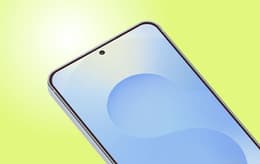
- Size and Viewing Area: The Galaxy S25 utilizes a compact 6.2-inch screen designed for single-handed navigation, while the Galaxy S26 Ultra provides an expansive 6.9-inch display with high resolution suited for viewing detailed media and documents.
- Refresh Rate and Smoothness: Both screens support high refresh rates up to 120Hz, ensuring smooth scrolling through web pages and fluid animation transitions.
Resolution
1080x2340
1440 x 3120
Audiovisual
Imaging capabilities span from streamlined everyday snapshot tools to extensive multi-lens setups designed for versatile photography.
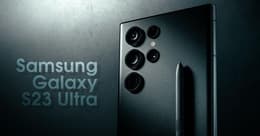
- Rear Camera Systems: The Galaxy S25 features a reliable multi-lens setup handling everyday wide and zoom photography, while the Galaxy S26 Ultra incorporates a high-resolution primary sensor alongside dedicated periscope lenses for distant subjects.
- Video and Audio: Both models record stabilized high-definition video with clear stereo sound capture, though the Ultra variant includes advanced stabilization features for steady moving shots.
- Media and Calls: Built-in microphone arrays and stereo speakers on both devices provide clear voice transmission during calls and balanced audio output for casual video playback.
Miscellaneous
Physical dimensions and connectivity standards define how each device feels during daily handling and travel.
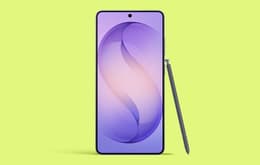
- Handling and Portability: The Galaxy S25 features a lightweight and narrow build that slips easily into pockets, whereas the larger Galaxy S26 Ultra has a heavier, wider footprint that accommodates an integrated stylus for note-taking.
- Connectivity: Both models support modern wireless standards including fast 5G cellular networks, high-speed Wi-Fi, and Bluetooth for accessory pairing.
- Sensors and Security: Both devices utilize under-display fingerprint sensors and secure facial recognition for quick device unlocking.
Weight
162 g
214 g
Screen size (in)
6.2
6.9
Mobile network
5G
5G
SIM card
Physical SIM + eSIM
Dual Physical SIM + eSIM
Carrier compatibility
Unlocked
Unlocked
What the community thinks
User feedback from online communities highlights distinct preferences for each device based on everyday handling habits. Users frequently praise the Galaxy S25 for its pocket-friendly dimensions and light weight, which make it comfortable for single-handed use during commutes. At the same time, owners of the Galaxy S26 Ultra frequently highlight the expansive screen space and the versatility of the high-zoom camera configuration, though some note that its larger physical size can feel heavy during prolonged use.
Users prioritizing a lightweight device that fits easily into smaller pockets will find the Galaxy S25 well-suited to their needs, while users prioritizing maximum screen space, integrated stylus functionality, and versatile camera options may prefer the Galaxy S26 Ultra. For consumers exploring eco-friendly choices, choosing a quality-assured refurbished option provides a sustainable way to access these technologies. Ultimately, the choice depends entirely on whether daily routines benefit more from a compact profile or an expanded mobile workspace.