
Galaxy S23 Vs Galaxy S25

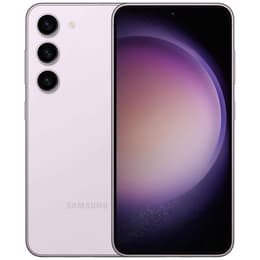
Galaxy S23
Galaxy S23
Starting at

Refurbished price:£186.84

Versus £1,019.00 new

See options
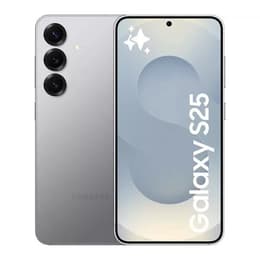
Galaxy S25
Galaxy S25
Starting at

Refurbished price:£435.00

Versus £766.13 new

See options

Ratings

The Samsung Galaxy S23, released in February 2023, and the Samsung Galaxy S25, launched in February 2025, represent two consecutive generations within Samsung's flagship smartphone series. While both devices operate on the Android platform with Samsung's One UI, the Galaxy S25 introduces advancements in processing power, display technology, and an extended software support policy. These differences aim to enhance user experience and device longevity.

Scores

Durability

The practical lifespan of a smartphone is significantly influenced by its release timeline and the duration of software support it receives.

  • Release Timeline: The Galaxy S23 was released in February 2023, making it two years older than the Galaxy S25, which launched in February 2025. This age difference inherently impacts the remaining period of official support.
  • OS Support Duration: The Galaxy S23 was initially promised 4 years of operating system updates and 5 years of security updates, with its final OS update expected to be Android 17 in Q2 2026. In contrast, the Galaxy S25 benefits from Samsung's extended commitment, offering 7 years of both OS upgrades and security updates, with support projected to continue until 2032. This longer support period for the S25 means it will receive new features and security patches for a significantly longer time.
  • Durability Features: Both devices feature an IP68 rating for dust and water resistance. The Galaxy S23 utilizes Gorilla Glass Victus 2 for screen protection. The base Galaxy S25 also uses Gorilla Glass Victus 2, while other models in the S25 series, such as the S25 Edge and S25 Ultra, incorporate newer glass technologies like Gorilla Glass Ceramic 2 or Gorilla Armor 2, offering enhanced resilience.

Year of Release

2023

2025

OS

Android

Android

Foldable

No

No

Performance

Performance in both the Galaxy S23 and S25 is designed to handle demanding applications and multitasking, though the newer model offers generational improvements.

  • Processing Capabilities: The Galaxy S23 is equipped with a custom version of its generation's leading processor, providing smooth operation for everyday tasks, gaming, and demanding applications. The Galaxy S25 features a newer, more advanced processor built on a smaller manufacturing process, which translates to improved efficiency and enhanced performance for resource-intensive activities and AI-driven features. Users upgrading from the S23 to the S25 have noted a snappier and faster overall experience.
  • Memory and Storage: The Galaxy S23 typically comes with 8GB of RAM, with storage options including 128GB, 256GB, and 512GB. The 128GB variant uses UFS 3.1 storage, while larger capacities utilize the faster UFS 4.0. The base Galaxy S25 offers 12GB of RAM across its lineup, providing more headroom for multitasking and demanding applications. All S25 models feature UFS 4.0 storage, ensuring faster data access and app loading times.
  • Battery Behavior: The Galaxy S23 houses a 3900 mAh battery, which generally provides a full day of use for many users. The Galaxy S25 features a slightly larger 4000 mAh battery in its base model. User feedback suggests the S25 offers better battery longevity, with some reporting extended screen-on times.

Memory (GB)

8 GB

12 GB

Screen quality

Both devices offer high-quality displays, but the Galaxy S25 incorporates newer panel technology for enhanced viewing.

  • Display Technology and Resolution: Both the Galaxy S23 and S25 feature Dynamic AMOLED 2X displays, known for their vibrant colors and deep blacks. They both offer a Full HD+ resolution (2340 x 1080 pixels), providing clear and detailed visuals for typical viewing distances.
  • Brightness and Refresh Rate: The Galaxy S23's display reaches a peak brightness of 1750 nits, offering good visibility in various lighting conditions. The Galaxy S25 elevates this with a peak brightness of up to 2600 nits, significantly improving outdoor visibility and HDR content viewing. Both models feature a 120 Hz refresh rate for smooth scrolling and responsive interactions. The S25's base model incorporates LTPO technology, allowing for more dynamic and efficient adjustment of the refresh rate.
  • Screen Size and Viewing Experience: The Galaxy S23 has a 6.1-inch display. The base Galaxy S25 features a slightly larger 6.2-inch display. Users have described the S25's screen as feeling crisper and brighter compared to the S23.

Resolution

1080 x 2340

1080x2340

Screen type

Dynamic AMOLED 2X

Dynamic LTPO AMOLED 2X

Audiovisual

The camera systems on both devices are capable, with the Galaxy S25 benefiting from updated image processing and AI enhancements.

  • Camera System Configuration: The Galaxy S23 features a triple rear camera setup: a 50MP wide-angle lens, a 10MP telephoto lens with 3x optical zoom, and a 12MP ultrawide lens. The base Galaxy S25 maintains a similar hardware configuration with a 50MP main, 10MP telephoto, and 12MP ultrawide camera. Both have a 12MP front-facing camera.
  • Photography Performance: The Galaxy S23 delivers good image quality in well-lit conditions, with its main sensor performing reliably. However, its ultrawide and telephoto lenses may show a noticeable drop in quality in low light, and it can struggle with capturing moving subjects. The Galaxy S25, while having similar camera hardware on its base model, benefits from improved image processing and a next-generation ProVisual Engine, along with enhanced AI features for better portraits and Nightography. This results in improved consistency in color and contrast across lenses and clearer selfie pictures.
  • Video Recording and Features: Both devices support 8K video recording at 30 frames per second. The S23 includes improved adaptive VDIS (Video Digital Image Stabilization) and Expert RAW capabilities. The S25 further refines video capabilities with AI enhancements and features like Audio Eraser, which helps filter out unwanted background noise from videos.

Miscellaneous

Beyond core specifications, several practical elements differentiate these two Galaxy smartphones.

  • Connectivity Standards: The Galaxy S23 supports 5G networks, Wi-Fi 6E, and Bluetooth 5.3. The newer Galaxy S25 upgrades to Wi-Fi 7 readiness and Bluetooth 5.4, offering potentially faster and more stable wireless connections. The S25 also supports MM Wave 5G for faster speeds in compatible areas.
  • Physical Design and Handling: The Galaxy S23 measures 70.9 x 146.3 x 7.6mm and weighs 168g. The Galaxy S25 is noted by users as feeling slightly lighter and thinner. For instance, the S25 Edge model is particularly thin at 5.8mm and weighs 163g. Both devices feature USB-C ports.
  • Security and AI Features: Both phones include an in-display fingerprint sensor for secure unlocking. The Galaxy S25 introduces a suite of Galaxy AI features, including tools for conversational AI, search, and personalized briefings, which are free through 2025 and require a Samsung account login. These AI capabilities aim to streamline daily tasks and offer new ways to interact with the device.

Weight

350 g

162 g

Screen size (in)

6.1

6.2

Mobile network

5G

5G

SIM card

Physical SIM + eSIM

Physical SIM + eSIM

Carrier compatibility

Unlocked

Unlocked

The Samsung Galaxy S23 and Galaxy S25 both offer robust smartphone experiences, but the S25 brings notable generational improvements and a significantly extended support lifecycle. User sentiment for the Galaxy S23 often praises its balanced performance and reliable camera in good lighting, with some criticisms regarding low-light camera performance and the initial battery life on the base model before optimization. For the Galaxy S25, users frequently highlight the brighter, crisper display, improved overall speed, and better battery life as key advantages.

Users prioritizing long-term software support and the latest advancements in processing power, display technology, and AI features may find the Galaxy S25 well-suited to their needs. Its 7-year update policy offers peace of mind for those who prefer to keep their devices for an extended period. Conversely, individuals seeking a capable device for everyday tasks, who may not require the absolute latest features or the longest software support, might find the Galaxy S23 still meets their requirements. It remains a solid option for general use, photography in good conditions, and consistent performance.

When considering either device, exploring quality-assured refurbished options can provide an eco-friendly alternative, allowing users to make an informed and sustainable choice.

See all articles

Our recent comparisons