Galaxy A15 Vs iPhone 12 Pro

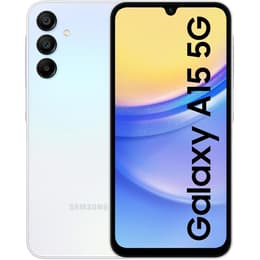
Galaxy A15
Galaxy A15
Starting at

Refurbished price:£88.00

Versus £169.00 new

See options
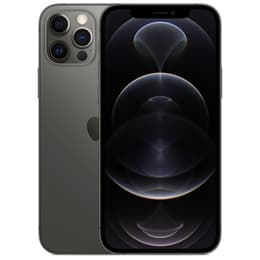
iPhone 12 Pro
iPhone 12 Pro
Starting at

Refurbished price:£204.00

Versus £879.00 new

See options

Ratings

The Samsung Galaxy A15 (2024) and the iPhone 12 Pro (2020) represent a fascinating comparison between a modern entry-level smartphone and a slightly older premium flagship. While they sit in different categories, they often appeal to users looking for a reliable daily device with distinct strengths in software and hardware design. The Galaxy A15 offers the latest Android features in a contemporary package, whereas the iPhone 12 Pro provides a high-end iOS experience that has aged gracefully since its debut.

The primary differentiator between these two devices is their design philosophy: the Samsung prioritises battery endurance and modern software longevity, while the iPhone focuses on premium build materials and advanced camera capabilities. Choosing between them involves weighing the benefits of a brand-new, long-supported budget device against the enduring power and sophisticated features of a former top-tier model.

Scores

Durability

When evaluating how long these devices will remain functional and secure, the release dates play a significant role in their respective software lifecycles.

  • Software Longevity: The Galaxy A15, being a 2024 release, benefits from a modern update policy that promises four generations of Android OS updates and five years of security patches. This ensures the device remains current until nearly the end of the decade. In contrast, the iPhone 12 Pro, released in 2020, is further along its support timeline, with expected iOS updates likely continuing for another two to three years based on historical patterns.
  • Physical Build and Repairability: The iPhone 12 Pro features a stainless steel frame and Ceramic Shield glass, which offers high resistance to daily wear, though repairs can be complex due to internal component pairing. The Galaxy A15 utilises a reinforced plastic construction that is lighter and often more straightforward to service in standard repair environments. Users seeking the longest possible software relevance may find the Samsung more suitable, while those valuing structural rigidity might prefer the iPhone.

Year of Release

2023

2020

Compatible with latest Update

Yes

Yes

OS

Android

iOS

Foldable

No

No

Performance

Performance levels on these devices are tailored to different types of users, ranging from casual social media browsing to more intensive multitasking.

  • System Responsiveness: The iPhone 12 Pro continues to deliver a very smooth experience when navigating the interface and switching between demanding applications. Its internal hardware was designed for high-end tasks, meaning it handles video editing and complex mobile games with ease even years after its launch. The Galaxy A15 is built for efficiency, providing a stable experience for everyday tasks like messaging, web browsing, and streaming, though it may show slight delays when launching very heavy applications.
  • Battery Endurance and Charging: A significant advantage for the Galaxy A15 is its large battery capacity, which comfortably lasts through a full day of heavy use or two days of light use. The iPhone 12 Pro has a smaller battery footprint, which generally requires a daily charge, especially for users who frequently use GPS or high-brightness settings. While the iPhone offers the convenience of magnetic wireless charging, the Samsung focuses on long-term power consistency for users who are often away from a plug.

Memory (GB)

4 GB

6 GB

Screen quality

The viewing experience differs significantly between these two models, focusing on either fluid motion or high-precision colour accuracy.

  • Display Technology and Smoothness: The Galaxy A15 features a modern display with a 90Hz refresh rate, which makes scrolling through feeds and navigating menus feel fluid and responsive. It uses AMOLED technology to provide deep blacks and high contrast. The iPhone 12 Pro uses a Super Retina XDR display which, while limited to a standard 60Hz refresh rate, offers higher peak brightness levels that make the screen easier to read under direct sunlight and provides more precise colour reproduction for viewing high-quality media.
  • Size and Clarity: With a 6.5-inch screen, the Galaxy A15 offers a larger canvas for watching videos and reading text, which may suit users who prefer a more expansive viewing area. The iPhone 12 Pro has a slightly smaller 6.1-inch display, resulting in a higher pixel density. This makes images and text appear exceptionally sharp and crisp, catering to users who prioritise visual detail and a more compact device footprint that is easier to manage with one hand.

Resolution

1080 x 2340

1170 x 2532

Screen type

Super AMOLED

Super Retina XDR OLED

Audiovisual

Photography and video capabilities highlight the gap between entry-level versatility and professional-grade mobile imaging tools.

  • Versatility and Depth: The iPhone 12 Pro features a sophisticated triple-lens system, including a dedicated telephoto lens for optical zoom and a LiDAR scanner that assists with fast autofocus in low-light conditions. This setup allows for high-quality portraits and detailed close-ups that the Galaxy A15 cannot easily replicate. The Samsung device uses a high-resolution main sensor that performs well in bright daylight, capturing clear and vibrant images for social sharing, but it lacks the advanced depth-sensing and zoom capabilities of the iPhone.
  • Video and Audio Capture: For users interested in content creation, the iPhone 12 Pro offers advanced video recording features, including high-dynamic-range capture and excellent stabilisation that results in professional-looking footage. Its microphone system is also tuned to isolate voices and reduce background noise effectively. The Galaxy A15 provides reliable video for casual use, but it does not reach the same level of cinematic smoothness or audio clarity found in the iPhone's more advanced hardware suite.

Main camera

50 megapixels

12 megapixels

Front camera

13 megapixels

12 megapixels

Miscellaneous

Practical features such as connectivity, physical dimensions, and security sensors influence the daily handling of these smartphones.

  • Connectivity and Ports: The Galaxy A15 includes a universal USB-C port for charging and data transfer, along with a traditional 3.5mm headphone jack, which is a rare and useful feature for those who prefer wired audio. The iPhone 12 Pro uses the Lightning port and does not have a headphone jack, requiring adapters or wireless headphones. Both devices support 5G connectivity, ensuring fast mobile data speeds in areas with network coverage, though the iPhone also includes MagSafe technology for a variety of magnetic accessories.
  • Biometrics and Handling: Security is handled differently on each; the Galaxy A15 uses a fast fingerprint sensor integrated into the power button, while the iPhone 12 Pro utilises FaceID for secure facial recognition. In terms of feel, the iPhone is noticeably denser and more compact, giving it a weighted, solid sensation in the hand. The Galaxy A15 is larger and lighter, which may be more comfortable for users who carry their phones in bags rather than tight pockets.

Weight

200 g

187 g

Screen size (in)

6.5

6.1

Mobile network

4G

5G

SIM card

Dual Physical SIM

Physical SIM + eSIM

Carrier compatibility

Unlocked

Unlocked

In summary, the choice between the Samsung Galaxy A15 and the iPhone 12 Pro depends largely on whether a user values modern software support and battery life or premium build and camera performance. Based on common user feedback found in community forums, the Galaxy A15 is frequently praised for its exceptional battery endurance and the smoothness of its 90Hz screen, though some users note it can feel less snappy during intensive multitasking. The iPhone 12 Pro remains a favourite for its compact size, high-quality video recording, and the seamless nature of the iOS ecosystem, despite criticisms regarding its shorter battery life compared to modern standards.

Users who prioritise a long-lasting battery, a large screen for media consumption, and many years of guaranteed software updates will find the Galaxy A15 to be a practical and reliable companion. Conversely, users who value professional-grade photography, a more premium hand-feel, and a high-performance system for gaming or editing will likely lean toward the iPhone 12 Pro. Choosing a quality-assured refurbished option for either device is an eco-friendly alternative that allows users to access these features while supporting a more sustainable electronics lifecycle. Ultimately, both smartphones offer a robust experience, with the Samsung serving as a modern marathon runner and the iPhone acting as a sophisticated, high-performance tool for the creative user.


See all articles

Our recent comparisons