
Galaxy Z Flip6 Vs Google Pixel 7 Pro

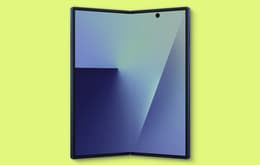
Galaxy Z Flip6
Galaxy Z Flip6
Starting at

Refurbished price:£338.00

Versus £1,011.35 new

See options
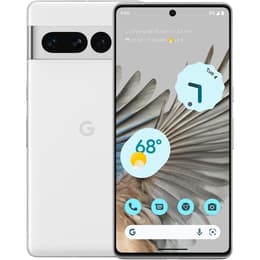
Google Pixel 7 Pro
Google Pixel 7 Pro
Starting at

Refurbished price:£169.75

Versus £899.99 new

See options

Ratings

The Samsung Galaxy Z Flip6, released in July 2024, and the Google Pixel 7 Pro, launched in October 2022, represent distinct approaches to smartphone design and functionality. While the Z Flip6 offers a unique foldable form factor with a focus on portability and interactive cover screen experiences, the Pixel 7 Pro provides a traditional slab design emphasizing advanced computational photography and a streamlined Android experience. Both devices operate on the Android platform, with Samsung's One UI overlay on the Z Flip6 and Google's more stock Android with Pixel-exclusive features on the Pixel 7 Pro.

Scores

Durability

The practical lifespan of a smartphone is significantly influenced by its software support and physical durability.

  • Software Updates: The Samsung Galaxy Z Flip6, being a newer device, benefits from Samsung's commitment to seven years of software support from its release date in July 2024, including major OS updates and security patches. This extends its expected software longevity well into the future. The Google Pixel 7 Pro, released in October 2022, typically receives five years of security updates and three years of major Android version updates from its launch.
  • Physical Durability: The Galaxy Z Flip6 features a clamshell design with a foldable inner display and a cover screen protected by Corning Gorilla Glass Victus 2. It also holds an IP48 rating, offering certified dust protection and water resistance. The Pixel 7 Pro utilizes Corning Gorilla Glass Victus for its display and back panel, and has an IP68 rating for dust and water resistance. User reports for the Z Flip6 mention the hinge developing a scratchy sound and the inner screen's plastic layer showing surface-level scratches from basic use over time. Some Pixel 7 Pro users have noted that the build quality, while not poor, can feel less rigid compared to other flagship devices, with potential issues like a rattling volume rocker.
  • Expected Lifespan: The Z Flip6's extended software support suggests a longer period of receiving new features and security enhancements. However, the unique foldable mechanism introduces specific durability considerations for its hinge and inner screen over prolonged use. The Pixel 7 Pro, with its traditional design, offers robust protection for its display and internals, though its software update cycle is shorter than the Z Flip6's.

Year of Release

2024

2022

Compatible with latest Update

Yes

Yes

OS

Android

Android

Foldable

Yes

No

Performance

Both devices offer capable performance for daily tasks, though they differ in their underlying hardware and optimization strategies.

  • Processing Power: The Galaxy Z Flip6 is equipped with a current-generation processor, which provides robust performance for demanding applications, multitasking, and gaming. This chipset is also designed for efficiency, contributing to improved battery management. The Pixel 7 Pro is powered by Google's custom-designed processor, which is optimized for artificial intelligence and machine learning tasks, enhancing features like computational photography and voice recognition. While capable for everyday use, some users have noted that its graphical capabilities might show limitations in very demanding games.
  • Multitasking and Responsiveness: The Z Flip6 comes with 12 GB of RAM, ensuring smooth multitasking and efficient handling of multiple applications simultaneously. The Pixel 7 Pro also features 12 GB of RAM, contributing to a fluid user experience even with numerous apps open. Both phones are generally responsive, with apps loading quickly and transitions appearing smooth.
  • Battery Performance: The Galaxy Z Flip6 houses a 4000 mAh battery, which, combined with its efficient processor, aims to provide all-day power for many users. Some users report it lasting a full day with moderate to heavy use, outperforming previous Flip models. The Pixel 7 Pro has a larger 5000 mAh battery. However, its battery life in real-world usage has received mixed feedback, with some users experiencing a full day of use, while others, particularly heavy users or those frequently using the camera, found it to be less consistent, sometimes requiring more frequent charging.

Memory (GB)

12 GB

12 GB

Screen quality

The display experience on these two smartphones varies significantly due to their fundamental design differences.

  • Display Technology and Size: The Samsung Galaxy Z Flip6 features a 6.7-inch Foldable Dynamic AMOLED 2X main display with a resolution of 1080 x 2640 pixels, offering vibrant colors and deep blacks. It also includes a 3.4-inch Super AMOLED cover display with a resolution of 720 x 748 pixels, which is useful for quick interactions. The Google Pixel 7 Pro sports a 6.7-inch LTPO OLED display with a sharper resolution of 3120 x 1440 pixels, resulting in a higher pixel density.
  • Brightness and Clarity: The Z Flip6's main display can reach a peak brightness of 2,600 nits, providing good visibility even in bright outdoor conditions. The cover screen is also brighter than its predecessor. The Pixel 7 Pro's display can achieve a peak brightness of up to 1,500 nits, ensuring good readability in various lighting environments. Its higher resolution contributes to exceptionally crisp text and images.
  • Refresh Rate and Smoothness: Both devices offer a smooth viewing experience with adaptive refresh rates. The Z Flip6's main display has a variable refresh rate of up to 120 Hz, ensuring fluid scrolling and animations. The Pixel 7 Pro also features a 120 Hz adaptive refresh rate, which can scale down to conserve battery life, providing smooth interactions.

Resolution

1080 x 2640

1440 x 3120

Screen type

Foldable Dynamic LTPO AMOLED 2X

LTPO AMOLED

Audiovisual

Both smartphones offer advanced camera systems, though they excel in different areas and cater to varying user preferences.

  • Camera Hardware: The Samsung Galaxy Z Flip6 features a dual-camera setup on the rear, including a 50 MP wide-angle main lens with optical image stabilization (OIS) and a 12 MP ultra-wide-angle lens. It also has a 10 MP selfie camera. The Google Pixel 7 Pro boasts a triple-camera system: a 50 MP main camera with OIS, a 12 MP ultrawide lens with autofocus, and a 48 MP telephoto lens capable of 5x optical zoom and up to 30x Super Res Zoom. It also has a 10.8 MP front camera.
  • Photography Performance: The Z Flip6's main camera offers improved performance, producing sharp 4K videos and vibrant colors in well-lit conditions. Its unique FlexCam feature allows for creative angles and hands-free photography using the main camera for selfies via the cover screen. The Pixel 7 Pro is highly regarded for its computational photography, delivering consistently excellent still photos with natural colors and impressive detail, even in challenging conditions. Features like Photo Unblur can enhance older or slightly blurry images.
  • Video and Audio: The Z Flip6 can record 4K video at up to 60 frames per second. The Pixel 7 Pro also supports 4K video recording at 60 frames per second across all its cameras, including the front-facing one, and includes features like Cinematic Blur and improved stabilization. However, some Pixel 7 Pro users have noted that video quality, particularly in low light or with the selfie camera, can be less impressive compared to its still photography capabilities.

Main camera

50 megapixels

50 megapixels

Front camera

10 megapixels

10.8 megapixels

Miscellaneous

Beyond core features, several practical elements differentiate these two devices in daily use.

  • Connectivity: Both the Galaxy Z Flip6 and the Google Pixel 7 Pro support 5G connectivity, ensuring fast mobile data speeds. They also include modern Wi-Fi standards and Bluetooth for wireless connections to accessories and networks.
  • Ports and Biometrics: Both phones utilize a USB-C port for charging and data transfer. The Z Flip6 integrates a fingerprint sensor into its power button. The Pixel 7 Pro features an in-display fingerprint reader for secure unlocking.
  • Design and Handling: The Galaxy Z Flip6's defining characteristic is its foldable design, allowing it to transform from a compact, pocketable device to a full-sized smartphone. When folded, it measures 71.9 x 85.1 x 14.9mm and weighs 187g. This compact form factor is a significant draw for users prioritizing portability. The Pixel 7 Pro, with its traditional slab design, measures 162.9 x 76.6 x 8.9 mm and weighs 212g, offering a larger, more conventional smartphone experience. The Z Flip6's cover screen provides interactive widgets and quick access to functions without unfolding the device.
  • Build Materials: The Z Flip6 features a matte aluminum frame and Corning Gorilla Glass Victus 2 on its cover screen and back panel. The Pixel 7 Pro uses a polished aluminum frame and Gorilla Glass Victus for its front and back.

Weight

187 g

212 g

Screen size (in)

6.7

6.7

Mobile network

5G

5G

SIM card

Physical SIM + eSIM

Physical SIM + eSIM

Carrier compatibility

Unlocked

Unlocked

User feedback for the Samsung Galaxy Z Flip6 often highlights its unique foldable design as a major draw, making it compact and easy to carry. Users appreciate the ability to use the cover screen for quick tasks and the FlexCam feature for creative photography. Common criticisms include concerns about the long-term durability of the inner screen and hinge, with some users reporting surface scratches and hinge noises over time. Battery life, while improved over predecessors, is still considered by some to be merely adequate compared to traditional slab phones.

For the Google Pixel 7 Pro, consistent praise is directed towards its exceptional camera for still photography, often lauded for its computational capabilities and features like Photo Unblur. The clean Android experience and dedicated Google AI features are also frequently mentioned as positives. However, some users have expressed concerns regarding video recording quality, particularly in low light, and inconsistent battery performance for heavy users. The curved display edges have also been noted as a potential drawback for some.

Users prioritizing a highly portable and distinctive smartphone experience with innovative camera angles and a long software support window may find the Galaxy Z Flip6 well-suited to their needs. Those who value a top-tier still camera, a pure Android experience, and a larger, traditional display for media consumption and productivity might lean towards the Google Pixel 7 Pro. Both devices offer compelling features, and for those considering a quality-assured refurbished option, both models are available, providing an eco-friendly alternative to purchasing new.

See all articles

Our recent comparisons