
Google Pixel 7 Pro Vs iPhone 13 Pro

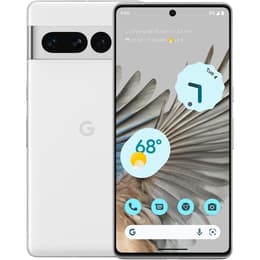
Google Pixel 7 Pro
Google Pixel 7 Pro
Starting at

Refurbished price:£169.75

Versus £899.99 new

See options
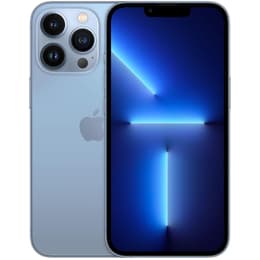
iPhone 13 Pro
iPhone 13 Pro
Starting at

Refurbished price:£232.00

Versus £949.00 new

See options

Ratings

The Google Pixel 7 Pro, released in 2022, and the iPhone 13 Pro, launched in 2021, represent two distinct approaches to the high-end smartphone experience. While the Pixel 7 Pro showcases Google's vision for a smart, software-integrated Android device, the iPhone 13 Pro offers Apple's refined iOS ecosystem with a focus on consistent performance. The primary differences lie in their physical size, camera zoom capabilities, and the fundamental user interface of their respective operating systems. Both devices remain highly relevant for users seeking a premium mobile experience today.

Scores

Durability

The Google Pixel 7 Pro and the iPhone 13 Pro offer different expectations regarding software longevity and physical resilience over several years of use.

  • Software Support: The iPhone 13 Pro typically receives operating system updates for six to seven years from its release date, suggesting a functional lifespan extending into the late 2020s. The Pixel 7 Pro launched with a commitment to three years of major software updates and five years of security patches, providing a reliable but slightly shorter window for the latest interface features.
  • Build and Repair: Both smartphones feature glass and metal constructions, though the iPhone uses stainless steel while the Pixel utilizes aluminium. Both manufacturers provide official parts to independent repair shops, though the internal layout of the iPhone is often cited as being more modular for specific component replacements like the battery.

Year of Release

2022

2021

Compatible with latest Update

Yes

Yes

OS

Android

iOS

Foldable

No

No

Performance

While both devices handle demanding tasks with ease, they manage background activities and power consumption through different hardware philosophies and memory management styles.

  • System Responsiveness and Memory: The iPhone 13 Pro is known for its high efficiency, maintaining smooth animations and quick app switching. The Pixel 7 Pro focuses on helpful software features, such as real-time translation, supported by a higher amount of temporary memory (RAM) to handle complex background tasks seamlessly.
  • Battery and Storage: The Pixel 7 Pro houses a larger physical battery to support its larger display, generally lasting through a full day of mixed usage. The iPhone 13 Pro benefits from deep software integration that preserves power during standby, while both devices offer various storage capacities without the option for external memory expansion.

Memory (GB)

12 GB

6 GB

Screen quality

The viewing experience differs significantly between these two models, primarily due to their physical dimensions, resolution, and the shape of the glass.

  • Display Technology and Size: The Pixel 7 Pro features a large 6.7-inch display with slightly curved edges and a high resolution for sharp details. In contrast, the iPhone 13 Pro uses a 6.1-inch flat display, which some users find easier to handle with one hand and less prone to accidental touches at the edges.
  • Smoothness and Brightness: Both smartphones incorporate high refresh rate technology, making scrolling through menus appear fluid and responsive. For outdoor use, both screens reach high brightness levels that ensure text remains legible even under direct sunlight, though the Pixel's larger surface area provides more room for multitasking.

Resolution

1440 x 3120

1170 x 2532

Screen type

LTPO AMOLED

Super Retina XDR OLED

Audiovisual

Photography and video recording are central to both devices, though they excel in different areas of the creative process and everyday capture.

  • Camera Versatility: The Pixel 7 Pro is equipped with a powerful telephoto lens for significant optical zoom and excels in low-light photography through advanced software processing. The iPhone 13 Pro offers a more modest zoom range but is frequently praised for its natural colour reproduction and consistency across all lenses in everyday lighting.
  • Video and Audio: For video creators, the iPhone 13 Pro provides advanced recording modes with a shallow depth-of-field effect. The Pixel 7 Pro counters with impressive software-based stabilisation and clear microphone pick-up, while both devices feature stereo speakers that provide a balanced soundstage for media consumption.

Main camera

50 megapixels

12 megapixels

Front camera

10.8 megapixels

12 megapixels

Miscellaneous

Practical daily interactions are shaped by the different biometric systems, physical connections, and material choices found on each of these handsets.

  • Security and Access: The iPhone 13 Pro relies on facial recognition technology integrated into a notch at the top of the screen. The Pixel 7 Pro utilizes an under-display fingerprint sensor for quick access, supplemented by a facial unlock feature, giving users multiple ways to secure their data.
  • Connectivity and Handling: The Pixel 7 Pro uses a standard USB-C port, while the iPhone 13 Pro uses a proprietary Lightning port. In terms of physical presence, the iPhone is noticeably heavier for its size due to its steel frame, whereas the Pixel is larger overall but supports modern 5G, Bluetooth, and Wi-Fi standards for stable connections.

Weight

212 g

203 g

Screen size (in)

6.7

6.1

Mobile network

5G

5G

SIM card

Physical SIM + eSIM

Physical SIM + eSIM

Carrier compatibility

Unlocked

Unlocked

The choice between the Google Pixel 7 Pro and the iPhone 13 Pro often comes down to a preference for screen size and operating system philosophy. User consensus suggests that the Pixel 7 Pro is highly regarded for its intelligent software features and its ability to take detailed photos at a distance. However, some users have noted that the fingerprint sensor can occasionally be less consistent than physical buttons. The iPhone 13 Pro receives consistent praise for its reliable battery life and high-quality video recording, though some find the 6.1-inch screen a bit small for intensive media use.

Users who prioritise a large, immersive display and a customisable interface will likely find the Pixel 7 Pro to be a better fit. Conversely, those who value a compact, sturdy design and long-term software updates may lean toward the iPhone 13 Pro. For those looking to make a sustainable choice, opting for a quality-assured refurbished option is an excellent way to access these features while reducing environmental impact. Choosing a refurbished model ensures that these capable devices continue to provide utility for years to come. Ultimately, the decision rests on whether you prefer the expansive world of Google or the efficient ecosystem of Apple.


See all articles

Our recent comparisons