
Galaxy A36 Vs iPhone 16 Pro

Galaxy A36
Galaxy A36
Starting at

Refurbished price:£206.00

Versus £369.00 new

See options
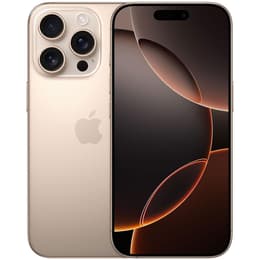
iPhone 16 Pro
iPhone 16 Pro
Starting at

Refurbished price:£564.00

Versus £999.00 new

See options

Ratings

The Samsung Galaxy A36, released in March 2025, and the iPhone 16 Pro, launched in September 2024, represent distinct approaches to smartphone design and functionality. While the Galaxy A36 offers a feature-rich experience within the Android ecosystem, the iPhone 16 Pro provides Apple's premium iOS experience with advanced capabilities. Key differentiators include their operating systems, core processing power, and camera system philosophies.

Scores

Durability

The longevity of a smartphone is influenced by its build quality, software support, and the availability of repairs. Both devices offer robust construction, but their software update policies and typical usage patterns contribute to differing practical lifespans.

  • Software Support: The Samsung Galaxy A36 is expected to receive six major Android OS upgrades and six years of security patches, offering a substantial period of software relevance. The iPhone 16 Pro, running iOS, typically receives major iOS updates for five to seven years, with security updates often extending beyond that period.
  • Build Materials: The Galaxy A36 features Gorilla Glass Victus+ on both its front and back, along with an IP67 rating for dust and water resistance. The iPhone 16 Pro utilizes a titanium alloy frame and Ceramic Shield front, providing enhanced durability and scratch resistance, and also carries an IP68 rating for dust and water resistance.
  • Practical Lifespan: Users can expect both devices to remain functional and receive essential updates for several years. The Galaxy A36's extended update policy for a mid-range device is notable, while the iPhone 16 Pro benefits from Apple's consistent long-term software support and premium build.

Year of Release

2025

2024

Foldable

No

No

Performance

Performance in smartphones is about more than just raw specifications; it's about how smoothly the device handles daily tasks, demanding applications, and multitasking. The Galaxy A36 and iPhone 16 Pro cater to different performance expectations.

  • Processing Capabilities: The Galaxy A36 is powered by a Qualcomm Snapdragon 6 Gen 3 processor, which handles everyday applications and moderate multitasking efficiently. The iPhone 16 Pro features Apple's A18 Pro chip, designed for high-performance tasks, complex gaming, and advanced AI features, offering a very responsive user experience.
  • Multitasking and Responsiveness: With RAM options up to 12GB, the Galaxy A36 is capable of managing multiple applications simultaneously without significant slowdowns. The iPhone 16 Pro, equipped with 8GB of RAM, leverages its optimized operating system and powerful processor to deliver seamless app switching and fluid interactions.
  • Storage Options: The Galaxy A36 offers storage configurations up to 256GB, but notably lacks expandable storage. The iPhone 16 Pro provides a wider range of internal storage options, from 128GB up to 1TB, catering to users with extensive storage needs.

Memory (GB)

6 GB

8 GB

Screen quality

The display is a primary interface for smartphone interaction, and both devices offer vibrant viewing experiences, though with different characteristics and capabilities.

  • Display Technology and Clarity: The Samsung Galaxy A36 features a 6.7-inch Super AMOLED display with Full HD+ resolution (1080 x 2340 pixels), providing rich colors and deep blacks. The iPhone 16 Pro comes with a slightly smaller 6.3-inch Super Retina XDR OLED display, offering a higher resolution of 2868 x 1230 pixels, resulting in a sharper image with 460 pixels per inch.
  • Brightness and Refresh Rate: The Galaxy A36's display boasts a 120Hz refresh rate for smooth scrolling and a peak brightness of 1900 nits, making it suitable for outdoor visibility. The iPhone 16 Pro also features an adaptive 120Hz ProMotion refresh rate and can reach a peak outdoor brightness of 2000 nits, ensuring excellent visibility even in bright sunlight.
  • Viewing Experience: The larger screen of the Galaxy A36 may appeal to users who prioritize immersive media consumption. The iPhone 16 Pro's display, while slightly smaller, offers enhanced clarity and brightness, alongside features like Dynamic Island for interactive notifications and an Always-On display.

Resolution

1080 x 2340

1206 x 2622

Audiovisual

Camera capabilities are a significant factor for many smartphone users, and both the Galaxy A36 and iPhone 16 Pro offer advanced photographic and videographic features tailored to their respective segments.

  • Rear Camera Systems: The Galaxy A36 is equipped with a triple rear camera setup, including a 50MP main sensor with optical image stabilization, an 8MP ultrawide lens, and a 5MP macro lens, suitable for a variety of everyday shots. The iPhone 16 Pro features a more advanced triple-lens system, comprising a 48MP main camera with a second-generation sensor, a 48MP ultrawide camera, and a 12MP telephoto lens with 5x optical zoom, designed for professional-grade photography and versatility.
  • Low-Light and Video Performance: The iPhone 16 Pro's larger sensors and advanced image processing contribute to superior low-light performance and offers video recording up to 4K at 120 frames per second, including ProRes support for professional workflows. The Galaxy A36 can record 4K video at 30 frames per second and includes gyro-EIS for stable footage.
  • Front Camera and Audio: Both devices feature a 12MP front-facing camera for selfies and video calls. The iPhone 16 Pro also incorporates studio-quality microphones and wind noise reduction for clearer audio in recordings and calls.

Front camera

12

12 megapixels

Miscellaneous

Beyond core performance and display, several practical elements contribute to the overall user experience, including connectivity, physical design, and additional features.

  • Connectivity and Ports: Both smartphones support 5G connectivity. The Galaxy A36 includes Wi-Fi 6E and Bluetooth 5.2, along with a USB Type-C 2.0 port and a 3.5mm headphone jack. The iPhone 16 Pro supports the newer Wi-Fi 7 standard and features a USB-C port, but omits a traditional headphone jack.
  • Physical Design and Handling: The Galaxy A36 has dimensions of 162.9 x 78.2 x 7.4 mm and weighs 195g, offering a comfortable grip for its screen size. The iPhone 16 Pro is slightly more compact at 149.6 x 71.5 x 8.25 mm and weighs 199g, featuring a titanium frame that contributes to its premium feel.
  • Security and Additional Features: The Galaxy A36 incorporates an optical in-display fingerprint scanner for biometric security. The iPhone 16 Pro relies on Face ID for secure authentication and introduces a new, dedicated Camera Control button for quick access to camera functions.

Weight

195 g

199 g

Screen size (in)

6,74

6.3

Mobile network

5G

5G

SIM card

Dual Physical SIM + eSIM

Physical SIM + eSIM

Carrier compatibility

Unlocked

Unlocked

Connector

USB-C

USB-C (USB 3)

The Samsung Galaxy A36 and iPhone 16 Pro cater to different user needs and preferences within the smartphone market. User sentiment often praises the Galaxy A36 for its vibrant display, long-lasting battery, and consistent software support, making it a reliable choice for everyday use. Some common criticisms might revolve around its processor not being as powerful as flagship alternatives or the absence of expandable storage. Conversely, the iPhone 16 Pro is frequently lauded for its exceptional performance, advanced camera capabilities, and the seamless integration of the iOS ecosystem. Potential concerns for some users might include its higher-tier positioning and the absence of a headphone jack.

Users prioritizing a large, bright AMOLED display, extensive battery life, and a long software support window within the Android ecosystem may find the Galaxy A36 well-suited to their needs. It offers a balanced experience for general productivity, media consumption, and casual photography. On the other hand, users who demand top-tier processing power for demanding applications, professional-grade photography and videography features, and the integrated experience of iOS will likely lean toward the iPhone 16 Pro. Its advanced camera system and powerful chip are designed for those who push their device's limits.

For those considering either device, exploring quality-assured refurbished options can provide an eco-friendly alternative, allowing access to these technologies while supporting sustainable consumption.

See all articles

Our recent comparisons