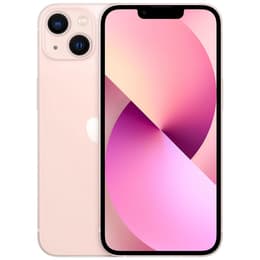
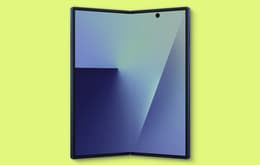
Galaxy Z Flip5 Vs iPhone 13

Galaxy Z Flip5
Galaxy Z Flip5
Starting at

Refurbished price:£266.76

Versus £1,145.61 new

See options
iPhone 13
iPhone 13
Starting at

Refurbished price:£205.00

Versus £599.00 new

See options

Ratings

The Samsung Galaxy Z Flip5, released in 2023, and the Apple iPhone 13, launched in 2021, represent two distinct approaches to modern smartphone design. While the Galaxy Z Flip5 pushes the boundaries with its innovative folding mechanism and dual-screen functionality, the iPhone 13 remains a prominent example of the traditional slab smartphone experience. Operating on Android and iOS respectively, these devices cater to different ecosystems and user preferences, offering a choice between cutting-edge hardware flexibility and established software reliability.

Scores

Durability

The two devices offer different expectations regarding physical longevity and software support cycles based on their release dates and manufacturer policies.

  • Software Longevity: The iPhone 13, despite being older, typically benefits from Apple's long-term update policy, often receiving security patches and operating system upgrades for six to seven years from its launch. The Galaxy Z Flip5, arriving later in 2023, is backed by a commitment to four years of major Android updates, meaning both devices are likely to remain relevant and secure until a similar point in the late 2020s.
  • Physical Resilience: The iPhone 13 features a rigid glass and aluminium build that is well-understood for its resistance to daily wear and tear. In contrast, the Galaxy Z Flip5 introduces a complex hinge mechanism and a flexible internal display; while highly engineered for thousands of folds, it requires more mindful handling than a standard non-folding phone.
  • Repairability: Standard smartphones like the iPhone 13 generally have more straightforward repair paths for common issues like screen replacements. The intricate nature of the Galaxy Z Flip5's folding screen means repairs can be more specialised, though both manufacturers have made strides in making components more accessible to technicians.

Year of Release

2023

2021

Compatible with latest Update

Yes

Yes

OS

Android

iOS

Foldable

Yes

No

Performance

Everyday responsiveness and multitasking capabilities are handled differently by these two generations of hardware, reflecting their specific design goals.

  • System Responsiveness: The Galaxy Z Flip5 utilises more recent internal components that excel at demanding tasks, such as high-end mobile gaming or intensive multitasking between the cover and main screens. The iPhone 13, while older, maintains a high level of fluidity in daily use, with apps opening quickly and the interface remaining smooth thanks to efficient software integration.
  • Multitasking and Memory: With a higher amount of temporary memory (RAM), the Galaxy Z Flip5 is well-suited for users who keep many applications open simultaneously or use split-screen modes. The iPhone 13 manages its memory efficiently, ensuring that even with less hardware overhead, the user experience remains consistent during standard professional or personal use.
  • Battery Management: The iPhone 13 is frequently noted for its efficient power usage, often lasting a full day for moderate users despite its smaller physical battery size. The Galaxy Z Flip5 has a larger capacity but must power two displays, meaning heavy users may find themselves reaching for a charger by the evening if they utilise the high-refresh-rate main screen extensively.

Memory (GB)

8 GB

4 GB

Screen quality

The viewing experience is perhaps the most significant point of divergence between these two smartphones, impacting how users interact with content.

  • Display Technology: The Galaxy Z Flip5 features a vibrant OLED main display that can refresh up to 120 times per second, resulting in smooth scrolling and animations. The iPhone 13 also uses a high-quality OLED panel with accurate colour reproduction and deep blacks, though it is limited to a standard 60Hz refresh rate, which may feel less fluid to users accustomed to faster screens.
  • Outdoor Visibility: For use in direct sunlight, the Galaxy Z Flip5 offers a higher peak brightness, making it easier to read messages or navigate maps outdoors. The iPhone 13 provides a clear and bright experience that is sufficient for most environments, though it does not reach the same maximum luminance levels as the newer Samsung model.
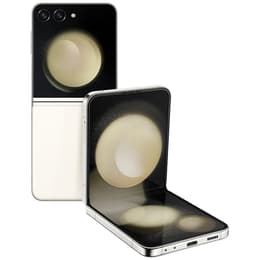
  • Screen Versatility: The unique 3.4-inch cover screen on the Galaxy Z Flip5 allows users to check notifications, reply to messages, and use widgets without opening the phone. The iPhone 13 relies on its single 6.1-inch display for all interactions, providing a familiar and consistent interface that many users find intuitive and reliable.

Resolution

1080 x 2640

1170 x 2532

Screen type

Foldable Dynamic AMOLED 2X

Super Retina XDR OLED

Audiovisual

Both devices prioritise high-quality photography and media consumption, though they offer different creative tools for capturing memories.

  • Camera Versatility: Both smartphones feature a dual-camera system consisting of a main wide lens and an ultra-wide lens. The Galaxy Z Flip5 allows for unique Flex Mode photography, where the phone acts as its own tripod when partially folded, making it ideal for self-portraits. The iPhone 13 is praised for its natural colour processing and reliable autofocus, which consistently produces high-quality images in various lighting conditions.
  • Video Performance: The iPhone 13 is widely regarded for its stable and high-fidelity video recording, making it a preferred choice for users who frequently capture moving footage. The Galaxy Z Flip5 also records clear, detailed video and offers the convenience of using the external cover screen as a viewfinder for high-quality selfies using the main cameras.
  • Audio Experience: Both devices provide stereo sound through their speaker systems, offering clear audio for podcasts and videos. The iPhone 13 delivers a balanced sound profile with good clarity, while the Galaxy Z Flip5 provides a loud and immersive experience that complements its larger, cinematic screen aspect ratio.

Main camera

12 megapixels

12 megapixels

Front camera

10 megapixels

12 megapixels

Miscellaneous

Practical features and physical handling play a large role in the daily satisfaction of using these devices in various environments.

  • Portability and Handling: The defining feature of the Galaxy Z Flip5 is its ability to fold in half, making it highly pocketable and easy to carry in small bags. The iPhone 13 follows a traditional form factor that is slim and lightweight, fitting comfortably in the hand for one-handed use, though it occupies a larger footprint in a pocket than the folded Samsung.
  • Biometrics and Connectivity: The iPhone 13 uses facial recognition for secure unlocking, which is fast and works well in most lighting. The Galaxy Z Flip5 utilises a fingerprint sensor built into the power button, which many users find convenient for unlocking the device as they pull it from their pocket. Both support 5G connectivity for fast mobile data speeds.
  • Build Materials and Ports: Both phones utilise glass and metal in their construction, providing a sturdy feel. The iPhone 13 uses a Lightning port for charging and data transfer, whereas the Galaxy Z Flip5 uses the more universal USB-C standard, which may be more convenient for users who share cables with other modern electronics like laptops or tablets.

Weight

187 g

173 g

Screen size (in)

6.7 /3.4

6.1

Mobile network

5G

5G

SIM card

Physical SIM + eSIM

Physical SIM + eSIM

Carrier compatibility

Unlocked

Unlocked

According to user discussions on various technology forums, the Galaxy Z Flip5 is often celebrated for its unique design and the convenience of its compact folded size. However, some users express concerns regarding the long-term durability of the screen crease and the battery life during heavy use. Conversely, the iPhone 13 is frequently described as a reliable device—one that may lack the novelty of a folding screen but excels in consistency, camera performance, and software stability.

Users who prioritise innovation, enjoy a compact form factor, and want a high-refresh-rate display will likely find the Galaxy Z Flip5 aligns with their needs. On the other hand, those who prefer a tried-and-tested design, long-term software support, and a straightforward user experience may lean toward the iPhone 13. Opting for a quality-assured refurbished option allows users to access these technologies while supporting a more circular economy. Whether selecting the innovative foldable or the dependable classic, choosing a sustainable choice through refurbishment ensures the device has been professionally checked for performance. Ultimately, the decision rests on whether one values the versatility of a folding screen or the consistent simplicity of a traditional smartphone.

See all articles

Our recent comparisons