
Compare models
Galaxy Z Flip7 Vs iPhone 15
- 1-year minimum warranty
- Free delivery on all items
- Free 30-day returns
Differences at a glance
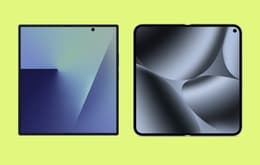
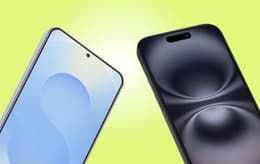
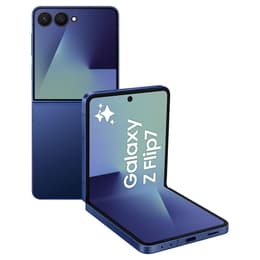
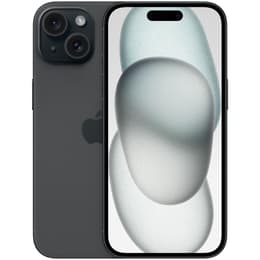
The Samsung Galaxy Z Flip7 (2025) and the Apple iPhone 15 (2023) represent two distinct approaches to modern smartphone design, contrasting a foldable clamshell form factor with a traditional slab build. While they operate on different software ecosystems—Android and iOS respectively—both devices target users looking for everyday reliability, modern communication features, and pocket-friendly dimensions.
Choosing between them primarily comes down to whether you prefer a flexible folding screen layout that compacts down for easy transport or a conventional, rigid device structure with a standardized candy-bar layout.
Available Models
Colour
Storage
Scores
Durability
When evaluating structural longevity and software support, both phones approach device lifespan through different engineering priorities, balancing software updates with distinct physical builds.
- Software Support: Both manufacturers provide multi-year operating system updates and routine security patches, ensuring both models remain current and functional throughout typical ownership cycles.
- Physical Durability: The iPhone 15 utilizes a rigid aluminum and glass frame with front shield protection, whereas the Galaxy Z Flip7 features a specialized folding mechanism and flexible display panel that requires careful handling over years of repeated folding.
- Practical Lifespan: Users selecting a quality-assured refurbished option from Back Market can expect reliable multi-year performance from either model, provided the folding hinge on the Samsung variant is treated with standard care.
Year of Release
2025
2023
Compatible with latest Update
Yes
Yes
OS
Android
iOS
Foldable
Yes
No
Performance
Under everyday workloads, both devices deliver fluid responsiveness, handling standard multitasking, web browsing, and demanding mobile applications without noticeable stuttering.
- Storage Configurations: Both smartphones offer ample internal storage starting tiers, accommodating large media libraries, cached files, and numerous installed applications.
- Multitasking and Memory: Generous system memory allocations ensure smooth background app management, allowing users to switch between messaging, navigation, and media tools fluidly.
- Battery Behavior: The iPhone 15 relies on power-efficient processing to maintain charge through a standard day of mixed use, while the Galaxy Z Flip7 manages its split battery capacity across both the main folding screen and the outer utility display.
Screen quality
Display technology represents one of the most prominent differences between these two devices, affecting everything from media viewing to outdoor readability.
- Display Technology: The iPhone 15 features a rigid OLED panel with fixed dimensions, whereas the Galaxy Z Flip7 deploys a folding AMOLED main screen alongside a functional external cover display for quick notifications.
- Brightness and Clarity: Both panels deliver high peak brightness levels, ensuring crisp text and vibrant colors even when viewed under direct sunlight outdoors.
- Refresh Dynamics: Both screens offer responsive touch interaction and smooth visual transitions, making scrolling through feeds and web pages comfortable for daily users.
Resolution
1080x2520
1179 x 2556
Screen type
Foldable Dynamic LTPO AMOLED
Super Retina XDR OLED
Audiovisual
Imaging capabilities on both smartphones cater to everyday photography, casual video recording, and clear video calls without requiring complex manual configurations.
- Main Camera Systems: Both devices incorporate high-resolution primary sensors capable of capturing detailed daylight photographs and sharp low-light scenes using automated image processing.
- Secondary Lenses: Ultra-wide lenses on both models expand framing options for landscape shots and group photos, providing versatile everyday shooting angles.
- Media Consumption: Stereo speaker setups on both units deliver balanced audio output for podcasts, casual video streaming, and hands-free phone calls.
Main camera
50 megapixels
48 megapixels
Front camera
10 megapixels
12 megapixels
Miscellaneous
Practical daily usability is shaped by connectivity standards, physical weight distribution, and biometric security features built into each chassis.
- Connectivity and Ports: Both models utilize universal USB-C ports for charging and wired data transfer, alongside modern wireless and 5G network compatibility.
- Biometrics: The iPhone 15 relies on facial recognition technology, while the Galaxy Z Flip7 incorporates a side-mounted fingerprint sensor integrated into the power button alongside facial unlock options.
- Form Factor and Handling: The iPhone 15 offers a traditional, uniform thickness and lightweight feel, whereas the Galaxy Z Flip7 folds in half to occupy less vertical pocket space despite being slightly thicker when closed.
Weight
188 g
171 g
Screen size (in)
6.9
6.1
Mobile network
5G
5G
SIM card
Physical SIM + eSIM
Physical SIM + eSIM
Carrier compatibility
Unlocked
Unlocked
Connector
USB-C
USB-C (USB 2)
What the community thinks
Community feedback from actual users indicates widespread appreciation for the iPhone 15's reliable battery management, intuitive interface, and comfortable everyday ergonomics. At the same time, Galaxy Z Flip7 owners frequently praise the convenience of the outer cover screen for checking messages quickly and the satisfying compact footprint when folded closed. Some recurring discussions note that traditional slab phones avoid the visible crease inherent to folding screens, while others emphasize that folding devices offer unmatched pocket portability.
Users prioritizing a compact, pocket-friendly footprint and multi-screen versatility may prefer the Galaxy Z Flip7, while users prioritizing a straightforward, rigid design with established software routines will lean toward the iPhone 15. Exploring a sustainably sourced, quality-assured refurbished option on Back Market provides an eco-friendly pathway to acquiring either of these capable devices. Ultimately, the right choice depends on whether a folding clamshell or a traditional smartphone layout better complements your daily routine.