
Samsung
Compare models
Differences at a glance
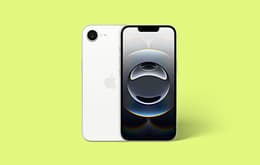
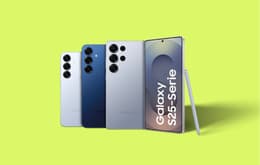
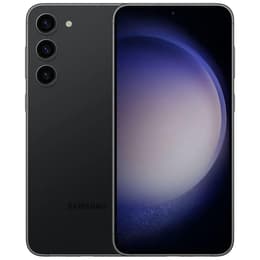
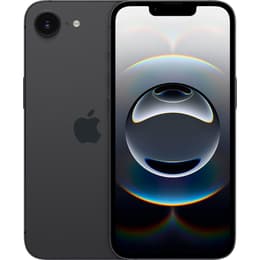
The Samsung Galaxy S23 Plus, released in February 2023, and the Apple iPhone 16E, an anticipated model from early 2026, represent distinct approaches to the modern smartphone experience. While the Galaxy S23 Plus operates on Android, offering a customizable interface, the iPhone 16E runs on Apple's iOS, known for its integrated ecosystem. Key differentiators between these devices include their processing power, camera systems, and display technologies, catering to varied user preferences.
Colour
Storage
When considering the longevity of a smartphone, software support and physical resilience are important factors. The Galaxy S23 Plus, launched in early 2023, benefits from Samsung's commitment to providing four generations of Android OS upgrades and five years of security updates, extending its support until approximately 2028. [27, 33, 37] The iPhone 16E, being a more recent release from early 2026, is expected to receive major iOS updates for around five to seven years, with security patches potentially extending even longer, a typical practice for Apple devices. [3, 14, 21, 25]
Year of Release
OS
Foldable
Performance is a core aspect of any smartphone, influencing how smoothly applications run and how efficiently tasks are handled. The Galaxy S23 Plus is equipped with a powerful processor designed for demanding applications and multitasking. [1, 4, 5] The iPhone 16E, featuring a newer generation of Apple's custom silicon, is engineered to deliver responsive performance across its operating system and applications. [15, 18, 19, 20]
The display is the primary interface for user interaction, and both the Galaxy S23 Plus and the iPhone 16E offer vibrant and clear viewing experiences. Each device utilizes advanced screen technologies to present content with accuracy and brightness.
Resolution
Both the Galaxy S23 Plus and the iPhone 16E are equipped with capable camera systems designed to capture high-quality photos and videos in various conditions. Each device leverages its hardware and software to enhance photographic output.
Front camera
Beyond core specifications, several practical features contribute to the overall user experience of these smartphones. Connectivity, physical design, and additional sensors play a role in daily interactions.
Weight
Screen size (in)
Mobile network
SIM card
Carrier compatibility
Connector
The Samsung Galaxy S23 Plus and the Apple iPhone 16E cater to users with differing priorities in the smartphone market. The Galaxy S23 Plus is often praised for its robust battery life and versatile camera system, offering a comprehensive Android experience with extensive customization options. Users frequently highlight its bright display and consistent performance for a wide range of tasks. Some common feedback points for the S23 Plus include its iterative design compared to previous models, though its overall performance and battery improvements are generally well-received. [1, 7, 8, 23]
The iPhone 16E, as a more recent entry, is anticipated to be lauded for its powerful processing capabilities and the seamless integration of the iOS ecosystem. Users are likely to appreciate its expected long-term software support and the reliability associated with Apple's platform. Potential areas of discussion for the iPhone 16E might revolve around its standard 60Hz display refresh rate, which differs from the higher refresh rates found in some other contemporary devices. [15]
Users prioritizing an extended battery life, a highly customizable Android interface, and a comprehensive multi-lens camera system may find the Galaxy S23 Plus well-suited to their needs. Conversely, individuals who value a longer period of software updates, a streamlined user experience, and the integrated Apple ecosystem will likely lean toward the iPhone 16E. Both devices offer a quality-assured refurbished option, providing an eco-friendly alternative for consumers looking to make informed and sustainable choices.