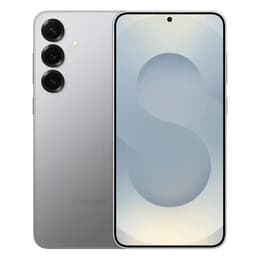


Galaxy S25+ Vs Google Pixel 7 Pro

Galaxy S25+
Galaxy S25+
Starting at

Refurbished price:£550.00

Versus £958.39 new

See options
Google Pixel 7 Pro
Google Pixel 7 Pro
Starting at

Refurbished price:£169.75

Versus £899.99 new

See options

Ratings

The Samsung Galaxy S25 Plus, released in early 2025, and the Google Pixel 7 Pro, launched in late 2022, are both high-end smartphones offering distinct user experiences. While the Galaxy S25 Plus benefits from more recent hardware and extended software support, the Pixel 7 Pro is recognized for its advanced computational photography and integrated Google services. Both devices operate on the Android platform, but with different user interface philosophies: Samsung's One UI on the S25 Plus and a more streamlined Android experience on the Pixel 7 Pro.

Scores

Durability

The release timeline and associated software support are significant differentiators between these two devices.

  • Release Timeline: The Samsung Galaxy S25 Plus was released in February 2025, making it a much newer device compared to the Google Pixel 7 Pro, which launched in October 2022. This age difference directly impacts their expected practical lifespan and software longevity.
  • Software Support: The Galaxy S25 Plus is set to receive seven years of Android operating system updates and seven years of security updates, extending its support until approximately 2032. In contrast, the Pixel 7 Pro is guaranteed three years of OS updates (up to Android 16, ending October 2025) and five years of security updates (ending October 2027). This means the Galaxy S25 Plus offers a considerably longer period of official software and security maintenance.
  • Durability Features: Both smartphones feature an IP68 rating for dust and water resistance, indicating robust protection against environmental elements. The Galaxy S25 Plus incorporates Gorilla Glass Victus 2 for screen protection, while the Pixel 7 Pro uses Gorilla Glass Victus.

Year of Release

2025

2022

OS

Android

Android

Foldable

No

No

Performance

Performance capabilities vary between the two models, primarily due to their different release dates and underlying hardware.

  • Processing Power: The Galaxy S25 Plus is equipped with a current-generation processor, delivering substantial improvements in speed and efficiency for demanding applications and multitasking. The Pixel 7 Pro, featuring its custom-designed processor, provides a responsive experience for everyday tasks and leverages its architecture for efficient AI processing.
  • Real-World Responsiveness: Users of the Galaxy S25 Plus can expect very fluid navigation and rapid app loading, even with graphically intensive games or complex productivity suites. The Pixel 7 Pro offers a smooth user experience, particularly excelling in tasks that utilize its on-device artificial intelligence, such as voice commands and image processing.
  • Memory and Storage: Both devices typically come with 12 GB of RAM, supporting efficient multitasking. Storage options for both include 256 GB and 512 GB, providing ample space for applications, media, and documents.

Memory (GB)

12 GB

12 GB

Screen quality

Both smartphones offer high-quality displays, but with some distinctions in their technology and characteristics.

  • Display Technology and Clarity: The Samsung Galaxy S25 Plus features a 6.7-inch Dynamic AMOLED 2X display, known for its vibrant colors, deep blacks, and excellent contrast. The Google Pixel 7 Pro also has a 6.7-inch LTPO AMOLED display, which provides rich colors and sharp detail. Both offer a Quad HD+ resolution (1440 x 3120 pixels), resulting in crisp visuals.
  • Brightness and Refresh Rate: The Galaxy S25 Plus boasts a peak brightness of 2600 nits, making it highly visible even in bright outdoor conditions. The Pixel 7 Pro's display also offers good brightness, though some users have noted it can be less optimal in direct sunlight compared to newer flagships. Both devices feature an adaptive 120Hz refresh rate, ensuring smooth scrolling and fluid animations.
  • Viewing Experience: The slightly larger screen-to-body ratio and slimmer bezels on the Galaxy S25 Plus contribute to an immersive viewing experience. The Pixel 7 Pro's display also provides a large canvas for media consumption and productivity, with its curved edges offering a distinct aesthetic.

Resolution

1440x3120

1440 x 3120

Audiovisual

Both devices are recognized for their camera capabilities, though they approach photography with different strengths.

  • Rear Camera Systems: The Galaxy S25 Plus features a versatile triple-camera setup: a 50-megapixel main sensor, a 12-megapixel ultrawide lens, and a 10-megapixel telephoto lens with 3x optical zoom. The Pixel 7 Pro also has a triple-camera system, including a 50-megapixel main sensor, a 12-megapixel ultrawide lens, and a 48-megapixel telephoto lens offering 5x optical zoom.
  • Photography Performance: The Pixel 7 Pro is highly praised for its computational photography, excelling in still images, particularly in low-light conditions and with its 5x optical zoom for distant subjects. Users often report impressive detail and accurate color reproduction. The Galaxy S25 Plus offers a well-rounded camera experience with improvements in software processing and features like Log video recording, providing more control for video editing.
  • Front Camera and Video: Both phones include capable front-facing cameras for selfies and video calls. The Galaxy S25 Plus has a 12-megapixel selfie camera, while the Pixel 7 Pro features a 10.8-megapixel front camera. For video recording, both support 4K resolution, but some Pixel 7 Pro users have noted that video performance, particularly in terms of stabilization and lens transitions, does not always match the quality of its still photography.

Miscellaneous

Beyond core features, several practical elements contribute to the overall user experience of these smartphones.

  • Connectivity: The Galaxy S25 Plus supports the latest connectivity standards, including Wi-Fi 7 and Bluetooth 5.4, alongside 5G capabilities, ensuring fast and reliable wireless connections. The Pixel 7 Pro supports Wi-Fi 6E and Bluetooth 5.2, also offering robust 5G connectivity.
  • Ports and Biometrics: Both devices utilize a USB-C port for charging and data transfer and lack a traditional 3.5mm headphone jack. For security, the Galaxy S25 Plus features an in-screen ultrasonic fingerprint sensor, while the Pixel 7 Pro includes an under-display fingerprint reader and face recognition for unlocking.
  • Design and Handling: The Galaxy S25 Plus has dimensions of 158.4 x 75.8 x 7.3 mm and weighs 190 grams, offering a relatively slim and comfortable feel. The Pixel 7 Pro is slightly larger and heavier at 162.9 x 76.6 x 8.9 mm and 212 grams, with a design that includes a distinctive camera bar across the back. Both phones feature premium build materials, including aluminum frames and glass backs.

Weight

190 g

212 g

Screen size (in)

6.7

6.7

Mobile network

5G

5G

SIM card

Dual Physical SIM

Physical SIM + eSIM

Carrier compatibility

Unlocked

Unlocked

The Samsung Galaxy S25 Plus and Google Pixel 7 Pro cater to different priorities, reflecting their respective release timelines and design philosophies. User feedback for the Galaxy S25 Plus often highlights its powerful performance, vibrant display, and excellent battery life, with its AI features being perceived as practical and integrated. Some users note that while its cameras are good, the hardware has seen incremental updates, with significant improvements coming from software processing.

The Google Pixel 7 Pro is consistently praised for its exceptional camera system, particularly its computational photography prowess in still images and low-light scenarios, as well as its 5x optical zoom. Its clean Android experience and integrated AI features are also frequently lauded. However, some criticisms include mixed reports on battery life under heavy usage and video performance not always matching its still photography capabilities.

Users prioritizing long-term software support, cutting-edge processing power, and a slightly more refined design may find the Galaxy S25 Plus well-suited to their needs. Its extended update policy ensures the device remains current for a longer duration. Conversely, individuals who place the highest value on advanced computational photography, a streamlined Android experience, and unique AI-driven features might lean towards the Pixel 7 Pro. Its camera capabilities remain a strong point, even against newer devices.

For those considering either of these devices, exploring quality-assured refurbished options can provide an eco-friendly alternative, offering access to premium technology while supporting sustainable consumption.

See all articles

Our recent comparisons