
Google Pixel 7 Pro Vs iPhone 13 Pro Max

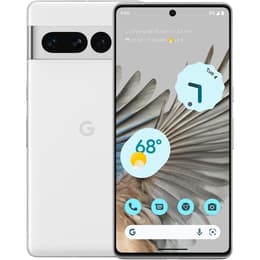
Google Pixel 7 Pro
Google Pixel 7 Pro
Starting at

Refurbished price:£169.75

Versus £899.99 new

See options
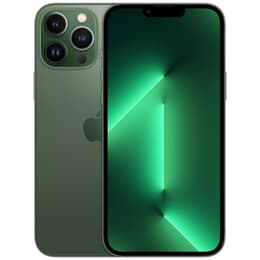
iPhone 13 Pro Max
iPhone 13 Pro Max
Starting at

Refurbished price:£272.00

Versus £1,259.00 new

See options

Ratings

The Google Pixel 7 Pro, released in late 2022, and the iPhone 13 Pro Max, launched in 2021, represent the pinnacle of their respective smartphone ecosystems from their eras. While the Pixel 7 Pro showcases Google’s vision of a helpful, AI-integrated Android experience, the iPhone 13 Pro Max remains a benchmark for iOS stability and hardware endurance. These devices cater to different user priorities, particularly regarding camera philosophy and battery management, making the choice between them a matter of personal workflow and ecosystem preference.

Scores

Durability

Both smartphones are designed to provide several years of reliable service, though they follow different software support paths and construction philosophies.

  • Software Longevity: The iPhone 13 Pro Max typically receives operating system updates for six to seven years from its release, suggesting a functional life well into the late 2020s. The Pixel 7 Pro offers five years of security updates, ensuring the device remains protected and functional for a similar duration.
  • Physical Build and Repair: The iPhone features a stainless steel frame and Ceramic Shield glass, while the Pixel uses an aluminium frame and Gorilla Glass Victus. Both are rated for high water and dust resistance. Choosing a quality-assured refurbished option for either model ensures that the hardware has been inspected for continued structural integrity.
  • Maintenance: Both manufacturers have made strides in providing official parts to independent repair shops, though the internal layout of the iPhone is often noted by technicians as being more modular for specific component replacements.

Year of Release

2022

2021

Compatible with latest Update

Yes

Yes

OS

Android

iOS

Foldable

No

No

Performance

In daily use, both devices handle demanding applications and multitasking with ease, though they prioritise different aspects of the user experience.

  • System Responsiveness: The iPhone 13 Pro Max is known for its consistent fluidity, maintaining smooth animations even when the storage is nearly full. The Pixel 7 Pro focuses on intelligent performance, using its internal hardware to speed up tasks like real-time translation and voice typing.
  • Battery Endurance: Users often report that the iPhone 13 Pro Max provides exceptional battery life, frequently lasting through two days of moderate use. The Pixel 7 Pro generally provides a full day of power, though heavy use of its advanced camera features or high-brightness screen may require a mid-evening charge.
  • Storage and Multitasking: Both devices offer ample memory for switching between apps without reloading. They are available in various storage capacities, allowing users to keep large libraries of photos and videos locally on the device without relying solely on cloud services.

Memory (GB)

12 GB

6 GB

Screen quality

The display technology on both handsets is designed to offer an immersive viewing experience for media consumption and productivity.

  • Display Technology: Both phones utilise OLED panels, which provide deep blacks and high contrast ratios. The Pixel 7 Pro features a slightly curved edge, while the iPhone 13 Pro Max uses a flat display, a distinction that affects how users grip the device and interact with side-swiping gestures.
  • Visual Smoothness: Each device incorporates a high refresh rate that adjusts dynamically based on the content. This results in smooth scrolling through social media feeds and responsive feedback during mobile gaming or navigating the interface.
  • Outdoor Visibility: The Pixel 7 Pro is capable of reaching high peak brightness levels, making it easier to read under direct sunlight. The iPhone 13 Pro Max offers a very consistent brightness range that remains comfortable for the eyes in various lighting conditions, from dark rooms to bright offices.

Resolution

1440 x 3120

1284 x 2778

Screen type

LTPO AMOLED

Super Retina XDR OLED

Audiovisual

The camera systems represent the most significant functional difference between these two flagship smartphones, catering to different creative styles.

  • Photography Style: The Pixel 7 Pro is celebrated for its computational photography, which produces sharp images with high dynamic range and offers a 5x optical zoom for distant subjects. The iPhone 13 Pro Max provides a more natural colour palette and a 3x optical zoom, which many users find ideal for portrait photography.
  • Video Capabilities: For video creators, the iPhone 13 Pro Max is often the preferred choice due to its stable recording and features like Cinematic mode, which adds a shallow depth-of-field effect. The Pixel 7 Pro counters with impressive stabilisation and unique editing tools that can sharpen blurry photos after they are taken.
  • Audio Experience: Both devices feature stereo speakers that produce clear, balanced sound for watching videos or taking calls on speakerphone. The microphone arrays on both models are designed to filter out background noise, ensuring clear voice capture during recordings.

Main camera

50 megapixels

12 megapixels

Front camera

10.8 megapixels

12 megapixels

Miscellaneous

Practical considerations such as connectivity and physical handling play a large role in the long-term satisfaction with these devices.

  • Connectivity and Ports: The Pixel 7 Pro uses a universal USB-C port, which is compatible with a wide range of modern accessories and charging cables. The iPhone 13 Pro Max uses the Lightning port, which may require specific cables if you are transitioning from other modern electronics. Both support 5G for fast mobile data.
  • Biometrics and Security: The iPhone relies on facial recognition, which is fast and secure for unlocking the phone and authenticating payments. The Pixel 7 Pro offers both an under-display fingerprint sensor and facial recognition, giving users more flexibility in how they access their device.
  • Weight and Ergonomics: The iPhone 13 Pro Max is notably heavier due to its stainless steel construction, which some users find provides a sturdy feel, while others may find it tiring during long periods of one-handed use. The Pixel 7 Pro is slightly lighter and features a distinctive horizontal camera bar that prevents the phone from wobbling when placed on a flat surface.

Weight

212 g

238 g

Screen size (in)

6.7

6.7

Mobile network

5G

5G

SIM card

Physical SIM + eSIM

Physical SIM + eSIM

Carrier compatibility

Unlocked

Unlocked

Public sentiment gathered from user forums indicates that the iPhone 13 Pro Max is highly regarded for its exceptional battery reliability and its consistent performance across all applications. It is frequently praised by those who value a stable, long-term experience. However, some users find its weight and the presence of the screen notch to be minor drawbacks in daily handling. On the other hand, the Google Pixel 7 Pro receives significant praise for its still photography and the helpfulness of its software features, such as automated call screening. Some users have noted that the device can run warm during intensive tasks and that the fingerprint sensor may require precise placement compared to physical sensors.

Users who prioritise long-lasting battery life and a robust video recording suite may find the iPhone 13 Pro Max better suited to their needs. Conversely, those who value advanced photo editing tools and a highly customisable software interface will likely lean toward the Google Pixel 7 Pro. Both devices represent a sustainable choice when purchased as a refurbished model, as this extends the lifecycle of high-quality hardware and reduces electronic waste. Ultimately, the decision rests on whether you prefer the integrated ecosystem of iOS or the flexible, feature-rich environment of Google's Android.

See all articles

Our recent comparisons