iPhones
Compare models
Differences at a glance
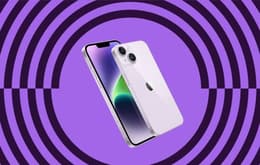
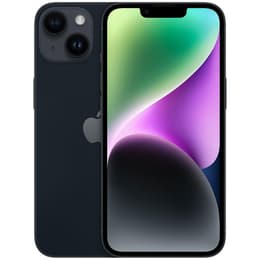
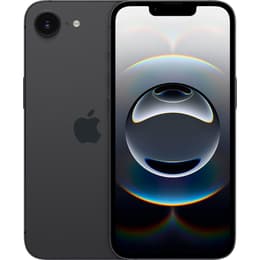
The iPhone 14, released in September 2022, and the iPhone 16e, introduced in February 2025, represent different generations within Apple's smartphone lineup. While both devices offer a similar form factor and operate on Apple's iOS ecosystem, the iPhone 16e brings forward a more recent processor, an updated camera system, and modern connectivity features. These distinctions cater to varying user priorities, from raw performance to photographic capabilities and future-proofing.
Colour
Storage
When considering the long-term usability of these devices, several factors contribute to their expected lifespan.
Year of Release
OS
Foldable
The core processing power and memory configurations significantly influence how smoothly each device handles tasks and applications.
Both devices offer high-quality displays, but there are nuances in their technology and features that impact the visual experience.
Resolution
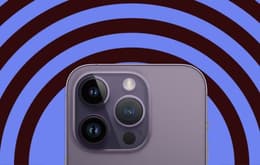
The camera systems on the iPhone 14 and iPhone 16e offer distinct approaches to photography and videography.
Front camera
Beyond the core specifications, several practical elements differentiate the user experience between these two iPhones.
Weight
Screen size (in)
Mobile network
SIM card
Carrier compatibility
Connector
User feedback for the iPhone 14 often highlights its reliable performance, vibrant OLED display, and capable dual-camera system as strong points, providing a well-rounded smartphone experience. Some users have noted that while its processor is powerful, it was not the absolute latest generation at its release compared to its Pro counterparts. The iPhone 16e, as a more recent offering, is praised for bringing a modern design, a significantly upgraded processor, and a high-resolution main camera to a broader audience. Criticisms for the 16e might center on the absence of an ultra-wide camera and the lack of MagSafe, which are present in the iPhone 14 and other contemporary models.
Users prioritizing the latest processing power, extended software support, and a high-resolution main camera will find the iPhone 16e well-suited to their needs, especially those interested in future features like Apple Intelligence. Its USB-C port also offers modern connectivity. Conversely, users who value the versatility of a dual-camera system with both main and ultra-wide lenses, or who rely on the MagSafe ecosystem, may lean towards the iPhone 14. Both devices offer a quality experience within the Apple ecosystem, and choosing between them depends on whether a user prioritizes the newest internal components and a high-megapixel main camera, or a more established feature set including an ultra-wide lens and MagSafe. For those seeking an eco-friendly alternative, quality-assured refurbished options for both models provide a sustainable choice.