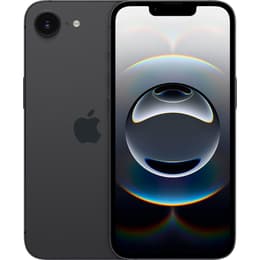
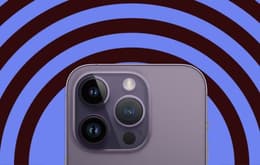
iPhone 14 Pro Vs iPhone 16e

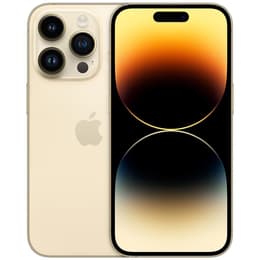
iPhone 14 Pro
iPhone 14 Pro
Starting at

Refurbished price:£304.00

Versus £1,099.00 new

See options
iPhone 16e
iPhone 16e
Starting at

Refurbished price:£359.00

Versus £599.00 new

See options

Ratings

The iPhone 14 Pro, released in 2022, and the iPhone 16e, launched in early 2025, represent two different approaches to the smartphone experience. While the iPhone 14 Pro was designed as a top-tier flagship with every available feature of its time, the iPhone 16e serves as a modern, streamlined entry point into the ecosystem. Both devices run the latest version of iOS, but they differ significantly in their physical design, internal capabilities, and the specific user needs they aim to satisfy.

Scores

Durability

When considering how long these devices will remain functional and supported, the primary trade-off is between build materials and software longevity.

  • Software Support: As a newer release from 2025, the iPhone 16e is expected to receive system updates for several years longer than the iPhone 14 Pro. Users who prioritize having the latest software features and security patches into the late 2020s will find the newer model more resilient.
  • Build Materials: The iPhone 14 Pro features a stainless steel frame and a heavy-duty glass back, offering a sturdy feel that many find reassuring. In contrast, the iPhone 16e uses a lighter aluminum frame. Both utilize Ceramic Shield technology on the front to help protect against drops and scratches.
  • Repairability: Both models are designed with internal structures that allow for easier screen and battery replacements compared to older generations. Choosing a quality-assured refurbished option like the iPhone 14 Pro can be a practical way to access these premium materials while ensuring the device has been thoroughly tested for longevity.

Year of Release

2022

2025

OS

iOS

iOS

Foldable

No

No

Performance

Performance differences between these two models are most noticeable when using modern artificial intelligence tools and demanding multitasking workflows.

  • System Responsiveness: The iPhone 16e is equipped with a latest-generation processor designed specifically to handle modern AI tasks and complex background processing. This makes it feel exceptionally snappy when launching apps or using smart assistant features that require significant local processing power.
  • Multitasking and RAM: With a higher memory capacity, the iPhone 16e is better equipped to keep multiple large apps open in the background without refreshing. While the iPhone 14 Pro remains very fast for everyday browsing and social media, users who frequently switch between heavy games and productivity tools may notice the newer model's efficiency.
  • Battery Efficiency: The iPhone 16e benefits from a more power-efficient internal modem and a newer processor architecture. In real-world usage, this often translates to longer runtimes during web browsing and 5G data usage compared to the older flagship, which may require more frequent charging after a full day of heavy use.

Memory (GB)

6 GB

8 GB

Screen quality

The display is one of the most significant areas of divergence, as the older Pro model retains several high-end technologies not found on the entry-level 16e.

  • Refresh Rate: The iPhone 14 Pro features an adaptive high refresh rate that makes scrolling and animations appear incredibly smooth. The iPhone 16e uses a standard refresh rate, which is perfectly functional for video and reading but lacks the fluid visual feedback found on the Pro line.
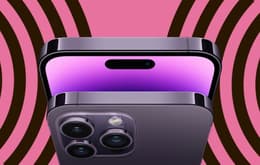
  • Display Features: Users of the iPhone 14 Pro benefit from an Always-On display and the Dynamic Island, which provides interactive notifications at the top of the screen. The iPhone 16e returns to a traditional notch design and does not support an always-on mode, prioritizing simplicity over these extra visual layers.
  • Brightness and Clarity: Both screens use OLED technology for deep blacks and vibrant colors. However, the iPhone 14 Pro can reach higher peak brightness levels, making it easier to read under direct, harsh sunlight. The iPhone 16e is plenty bright for most outdoor conditions but does not quite match the extreme visibility of the former flagship.

Resolution

1179 x 2556

2532x1170

Audiovisual

Photography enthusiasts will find that the older flagship offers a more versatile toolkit, while the newer model focuses on high-quality basics.

  • Lens Versatility: The iPhone 14 Pro features a triple-lens system, including a dedicated zoom lens and a wide-angle lens. This allows for 3x optical zoom and expansive landscape shots. The iPhone 16e uses a single main lens that can crop into the sensor for a 2x zoom effect, but it lacks the physical lenses for true wide-angle or long-distance photography.
  • Advanced Modes: For those who like to edit their photos, the iPhone 14 Pro supports professional-grade formats that retain more detail in the shadows and highlights. The iPhone 16e focuses on computational photography, automatically adjusting settings to produce clear, balanced images without requiring manual intervention.
  • Video and Audio: Both devices record high-quality 4K video with excellent stabilization. The iPhone 14 Pro offers more advanced video recording modes for cinematic effects, while the iPhone 16e introduces improved wind noise reduction and audio mixing features that make casual videos sound clearer in outdoor environments.

Front camera

12 megapixels

TrueDepth 12MP

Miscellaneous

Practical daily use is influenced by the physical handling and connectivity standards of each device.

  • Connectivity and Ports: The iPhone 16e features a universal USB-C port, allowing users to use the same cable for their phone, laptop, and other modern electronics. The iPhone 14 Pro uses the older Lightning connector, which may require carrying a specific cable if your other devices have already transitioned to the newer standard.
  • Weight and Handling: Due to its stainless steel construction, the iPhone 14 Pro is noticeably heavier in the hand. The iPhone 16e is significantly lighter, making it more comfortable for one-handed use or for carrying in a pocket during long walks or runs.
  • Sensors and Buttons: The iPhone 16e includes a customizable Action button, which can be programmed to open the camera, turn on the flashlight, or start a voice memo. The iPhone 14 Pro uses the traditional mute switch. Both devices utilize secure face recognition for unlocking and payments.

Weight

206 g

167 g

Screen size (in)

6.1

6.1

Mobile network

5G

5G

SIM card

Physical SIM + eSIM

eSIM

Carrier compatibility

Unlocked

Unlocked

Connector

Lightning

USB-C

Choosing between the iPhone 14 Pro and the iPhone 16e depends largely on whether you value premium hardware features or modern internal efficiency. User consensus on forums like Reddit suggests that the iPhone 14 Pro remains a favorite for those who cannot live without a high refresh rate display and the versatility of a dedicated zoom lens. However, many users who have switched to the iPhone 16e praise its lightweight design, the convenience of the USB-C port, and its impressive battery life, which often outlasts the older Pro model in daily tasks.

Users who prioritize photography, high-end display technology, and a substantial, heavy feel will likely find the iPhone 14 Pro better suited to their needs. Conversely, those who want a device that is easier to handle, supports the latest AI-driven software features, and offers the longest possible lifespan for software updates should lean toward the iPhone 16e. Opting for a sustainable choice like a refurbished model allows consumers to access these high-quality technologies while supporting a more circular economy. Ultimately, both phones provide a reliable and high-performance experience, ensuring that the decision comes down to which specific trade-offs align with your daily habits.

See all articles

Our recent comparisons