
Compare models
Galaxy Z Fold6 Vs OnePlus 10 Pro
- 1-year minimum warranty
- Free delivery on all items
- Free 30-day returns
Differences at a glance
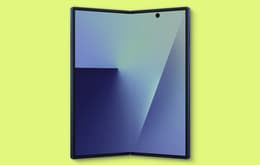
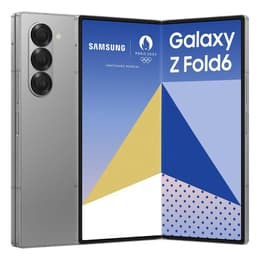
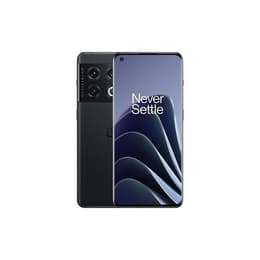
The Samsung Galaxy Z Fold6, a foldable smartphone released in July 2024, offers a unique dual-screen experience, transforming from a compact device into a tablet-like display. In contrast, the OnePlus 10 Pro, launched in early 2022, is a traditional high-end smartphone known for its robust performance and display. The primary distinction lies in their form factors and the significant difference in their release timelines, which impacts their internal components and software capabilities. Both devices operate on the Android platform, though with distinct user interfaces tailored by their respective manufacturers.
Available Models
Colour
Storage (GB)
Scores
Durability
When considering the practical lifespan of these devices, their release timelines and software support policies are key factors.
- Release Timeline: The Galaxy Z Fold6 was introduced in July 2024, making it a more recent device. The OnePlus 10 Pro, released in early 2022, is an older model, which inherently means it has fewer years of software support remaining.
- Software Support: Samsung has committed to an extensive seven years of OS upgrades and security updates for the Galaxy Z Fold6, ensuring prolonged software longevity. The OnePlus 10 Pro, having launched earlier, will receive fewer major Android version updates and security patches compared to the Fold6, with OxygenOS 16 (based on Android 16) expected in Q1 2026.
- Durability Features: The Galaxy Z Fold6 features Corning Gorilla Glass Victus 2 on its cover screen and back panel, along with an IP48 rating for dust and water protection, marking it as Samsung's first foldable with certified dust resistance. The OnePlus 10 Pro utilizes Corning Gorilla Glass for its display and, while the T-Mobile US version carries an IP68 rating, international versions generally do not have an official IP rating. The Z Fold6's foldable display also incorporates new materials designed for enhanced durability and flatness.
Year of Release
2024
2022
Compatible with latest Update
Yes
Yes
OS
Android
Android
Foldable
Yes
No
Performance
The performance capabilities of these two smartphones reflect their respective generations of hardware and optimization.
- Processing Power: The Galaxy Z Fold6 is equipped with a current-generation processor specifically optimized for Galaxy devices, enabling it to handle demanding applications, complex multitasking, and advanced AI features with fluidity. The OnePlus 10 Pro features a powerful processor from its release year, which still delivers smooth performance for everyday tasks and many graphically intensive games.
- Multitasking and Responsiveness: With 12 GB of RAM, the Galaxy Z Fold6 offers substantial capacity for seamless multitasking, allowing users to run numerous applications simultaneously and switch between them without noticeable delays. The OnePlus 10 Pro, available with 8 GB or 12 GB of RAM, also provides a responsive experience for most users, though the newer architecture in the Fold6 offers more headroom for future software and applications.
- Storage Options: Both devices offer ample internal storage, with the Galaxy Z Fold6 available in 256 GB, 512 GB, or 1 TB configurations. The OnePlus 10 Pro comes with 128 GB or 256 GB storage options. Neither device supports expandable storage via microSD cards.
Screen quality
The display experience is a significant differentiator, particularly due to the Galaxy Z Fold6's unique form factor.
- Display Technology and Form Factor: The Galaxy Z Fold6 features two Dynamic AMOLED 2X displays: a 6.3-inch cover screen and a 7.6-inch main foldable screen, both offering vibrant colors and deep blacks. The OnePlus 10 Pro sports a single 6.7-inch QHD+ Fluid AMOLED display. Both utilize LTPO technology for adaptive refresh rates, enhancing power efficiency.
- Resolution and Clarity: The Z Fold6's cover display has a resolution of 2376 x 968 pixels, while its main display is 1856 x 2160 pixels. The OnePlus 10 Pro offers a sharp 3216 x 1440 pixel resolution on its display. Both provide clear and detailed visuals for various content.
- Brightness and Smoothness: Both screens on the Galaxy Z Fold6 can reach a peak brightness of 2600 nits, ensuring excellent visibility even in bright outdoor conditions. The OnePlus 10 Pro's display achieves a peak brightness of 1300 nits. Both devices feature adaptive 120Hz refresh rates, providing smooth scrolling and fluid animations. The Z Fold6 also boasts a less noticeable crease on its main display compared to previous foldable generations.
Resolution
1856 x 2160
1440 x 3216
Screen type
Foldable Dynamic LTPO AMOLED 2X
LTPO2 Fluid AMOLED
Audiovisual
Both smartphones offer versatile camera systems, though with different strengths and features.
- Rear Camera Systems: The Galaxy Z Fold6 is equipped with a triple rear camera setup, including a 50 MP wide-angle lens with optical image stabilization (OIS), a 12 MP ultra-wide lens, and a 10 MP telephoto lens with 3x optical zoom and OIS. The OnePlus 10 Pro also features a triple rear camera system co-developed with Hasselblad, comprising a 48 MP main sensor with OIS, a 50 MP ultra-wide lens with a wide 150° field of view, and an 8 MP telephoto lens with 3.3x optical zoom and OIS.
- Photography Performance: The Z Fold6 benefits from Samsung's ProVisual Engine and AI-based image processing, enhancing photo quality in various lighting conditions, including Nightography for low-light shots. The OnePlus 10 Pro, with its Hasselblad collaboration, focuses on natural color calibration and offers a Pro Mode for manual controls, delivering detailed images in good lighting.
- Video Capabilities and Selfie Cameras: The Galaxy Z Fold6 supports 8K video recording at 30fps from its main camera and 4K 60fps from most other cameras. It includes a 10 MP cover screen camera and a 4 MP under-display camera on the main screen. The OnePlus 10 Pro can record 8K video at 24fps and 4K at up to 120fps, and features a 32 MP front-facing camera.
Main camera
50 megapixels
48 megapixels
Front camera
4 megapixels
32 megapixels
Miscellaneous
Beyond core specifications, several practical elements contribute to the overall user experience of these devices.
- Connectivity and Ports: Both the Galaxy Z Fold6 and the OnePlus 10 Pro support 5G connectivity, along with modern Wi-Fi standards and Bluetooth for wireless connections. The Z Fold6 offers dual-SIM capabilities with eSIM support. Both devices feature a USB-C port for charging and data transfer.
- Biometric Security: The Galaxy Z Fold6 incorporates a side-mounted fingerprint sensor for secure unlocking. The OnePlus 10 Pro utilizes an in-display fingerprint sensor. Both also offer face recognition for convenient access.
- Design and Handling: The Galaxy Z Fold6, as a foldable, has distinct dimensions: 153.5 x 68.1 x 12.1 mm when folded and 153.5 x 132.6 x 5.6 mm when unfolded, weighing 239 g. Its design aims for a wider cover screen and a lighter feel than previous models. The OnePlus 10 Pro is a more traditional slab phone, measuring 163.0 x 73.9 x 8.55 mm and weighing 200.5 g. The Z Fold6 also supports S Pen input, though the stylus is sold separately.
Weight
239 g
201 g
Screen size (in)
7.6
6.7
Mobile network
5G
5G
SIM card
Dual Physical SIM + eSIM
Dual Physical SIM
Carrier compatibility
Unlocked
Unlocked
What the community thinks
The Samsung Galaxy Z Fold6 and the OnePlus 10 Pro cater to different user preferences, largely defined by their form factors and release generations. User feedback for the Galaxy Z Fold6 often praises its innovative foldable design, which offers a large screen for productivity and media consumption, along with its robust software support and integrated AI features. Some users, however, note that while its camera system is competent, it may not always match the absolute best in traditional flagships, and its charging speeds are not the fastest.
The OnePlus 10 Pro, on the other hand, is frequently lauded for its vibrant display, strong performance for its time, and fast charging capabilities. Its camera system, co-developed with Hasselblad, is appreciated for its color science, though some users might find its ultra-wide lens's 150-degree field of view to be a niche feature. A common point of discussion for the OnePlus 10 Pro is its software update longevity compared to newer devices, and the lack of an official IP rating for many regions.
Users prioritizing a cutting-edge, versatile device that doubles as a tablet for enhanced productivity and media viewing, coupled with extended software support and advanced AI features, may find the Galaxy Z Fold6 well-suited to their needs. Conversely, individuals seeking a powerful, traditional smartphone with a high-quality display, excellent battery life, and very fast charging, who are comfortable with a slightly older device, might lean toward the OnePlus 10 Pro. Both devices represent strong options in their respective categories, and considering a quality-assured refurbished option for either can be an eco-friendly alternative.