
Compare models
iPhone 12 Vs OnePlus 10 Pro
- 1-year minimum warranty
- Free delivery on all items
- Free 30-day returns
Differences at a glance
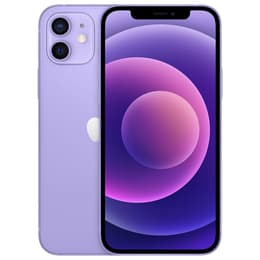
The iPhone 12, released in late 2020, and the OnePlus 10 Pro, launched in early 2022, represent two distinct approaches to the modern smartphone experience. While the iPhone 12 serves as a cornerstone of Apple’s ecosystem with its reliable iOS software and compact design, the OnePlus 10 Pro offers a more expansive Android-based platform with a focus on rapid charging and high-refresh-rate display technology. Choosing between these two devices often comes down to a preference for operating systems and physical size, as they cater to different user habits and ecosystem requirements.
Available Models
Colour
Storage (GB)
Scores
Durability
The two devices differ significantly in their release timelines and expected software support cycles, which impacts their long-term utility and environmental footprint.
- Software Longevity: The iPhone 12 benefits from Apple's historically long support window, typically receiving major iOS updates for six years or more from its release date. The OnePlus 10 Pro, while newer, follows a specific update policy that generally provides four years of security updates, meaning both devices may reach their software end-of-life around a similar timeframe.
- Build and Repairability: Both phones feature glass and metal constructions that require careful handling. The iPhone 12 is known for its Ceramic Shield front, while the OnePlus 10 Pro uses Gorilla Glass Victus; both are designed to withstand minor drops but remain susceptible to cracks. Choosing a quality-assured refurbished option for either model is an eco-friendly alternative that ensures the device has been professionally inspected for longevity.
Year of Release
2020
2022
Compatible with latest Update
Yes
Yes
OS
iOS
Android
Foldable
No
No
Performance
In daily use, both smartphones provide a responsive experience, though they handle multitasking and power management in different ways to suit various user needs.
- System Responsiveness: The iPhone 12 maintains a very fluid interface, handling social media, web browsing, and productivity apps with ease. The OnePlus 10 Pro offers a similarly fast experience but feels particularly snappy during animations and transitions due to its high-speed internal hardware and software optimisations.
- Battery and Charging: The OnePlus 10 Pro is designed for users who need to top up their battery quickly, featuring extremely fast wired charging that can fill the battery in under an hour. The iPhone 12 has a more modest charging speed and a smaller physical battery, which generally lasts through a standard day of moderate use but may require a midday charge for heavy users.
- Multitasking: Users who keep many apps open simultaneously will find the OnePlus 10 Pro handles background tasks effectively, while the iPhone 12 uses efficient memory management to keep the most important apps ready for immediate use.
Screen quality
The viewing experience is one of the most noticeable differences between these two models, particularly regarding physical size and the smoothness of motion.
- Display Technology: The OnePlus 10 Pro features a large, curved AMOLED screen with a variable refresh rate that can reach 120Hz, resulting in very smooth scrolling. The iPhone 12 uses a flat OLED panel with a standard 60Hz refresh rate, which provides excellent colour accuracy and deep blacks but lacks the fluid motion found on the OnePlus.
- Outdoor Visibility: Both screens are bright enough for comfortable use in most lighting conditions, though the OnePlus 10 Pro can reach higher peak brightness levels, making it slightly easier to read under direct sunlight.
- Size and Clarity: With a 6.7-inch screen, the OnePlus 10 Pro is better suited for media consumption and gaming, whereas the 6.1-inch iPhone 12 is more manageable for one-handed use while still offering a sharp, high-resolution image.
Resolution
1170 x 2532
1440 x 3216
Screen type
Super Retina XDR OLED
LTPO2 Fluid AMOLED
Audiovisual
Photography and media playback are handled with different priorities on each device, reflecting their respective brand philosophies and hardware configurations.
- Camera Versatility: The OnePlus 10 Pro includes a triple-camera system with a dedicated telephoto lens for zooming in on distant subjects. The iPhone 12 relies on a dual-camera setup, which lacks a dedicated zoom lens but is highly regarded for its consistent colour reproduction and ease of use in everyday scenarios.
- Video and Audio: The iPhone 12 is frequently praised for its video stabilisation and natural-looking footage, making it a favourite for social media creators. Both devices feature stereo speakers that provide clear audio for videos and calls, though the OnePlus 10 Pro's larger chassis allows for a slightly fuller sound profile during media playback.
- Low-Light Performance: Both phones use software processing to improve photos taken in dark environments, with the OnePlus 10 Pro offering a dedicated night mode that captures significant detail, while the iPhone 12 focuses on maintaining a realistic look with minimal noise.
Main camera
12 megapixels
48 megapixels
Front camera
12 megapixels
32 megapixels
Miscellaneous
Practical features like connectivity and physical handling play a large role in the day-to-day satisfaction of using these smartphones in various environments.
- Biometrics and Ports: The iPhone 12 uses Face ID for secure unlocking, which is integrated into the notch at the top of the screen, and utilises a Lightning port for charging. The OnePlus 10 Pro uses an in-display fingerprint sensor and the more universal USB-C port, which is compatible with a wider range of modern accessories and laptops.
- Ergonomics: The iPhone 12 is significantly lighter and thinner, making it a better choice for users with smaller hands or those who prefer a pocket-friendly device. The OnePlus 10 Pro is taller and heavier, reflecting its larger screen and battery, which may feel more substantial during use.
- Connectivity: Both devices support 5G networks, ensuring fast data speeds where available, and include modern Wi-Fi and Bluetooth standards for reliable connections to wireless headphones and smart home devices.
Weight
164 g
201 g
Screen size (in)
6.1
6.7
Mobile network
5G
5G
SIM card
Physical SIM + eSIM
Dual Physical SIM
Carrier compatibility
Unlocked
Unlocked
What the community thinks
User feedback from various tech communities highlights the distinct strengths of both devices. The iPhone 12 is often praised for its reliability, compact form factor, and the seamless way it integrates with other Apple products. However, some users note that its 60Hz screen feels dated compared to newer rivals. Conversely, the OnePlus 10 Pro receives high marks for its stunning display and incredibly fast charging, though some long-term users have expressed concerns about the consistency of software updates compared to previous generations of the same brand.
Users who prioritise a compact design, long-term software support, and a straightforward camera experience will likely find the iPhone 12 to be the better fit for their daily needs. Those who prefer a larger screen for gaming or movies, faster charging speeds, and the flexibility of the Android operating system may lean toward the OnePlus 10 Pro. For those looking to make a more sustainable choice, opting for a quality-assured refurbished model ensures you get a thoroughly tested device that meets modern standards while reducing electronic waste. Ultimately, both smartphones remain capable performers in 2026, and choosing between them depends on which specific features align best with your personal or professional lifestyle.