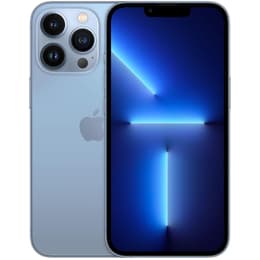
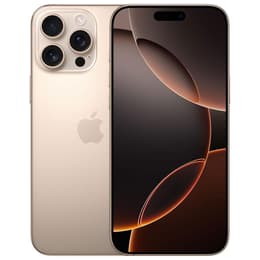

iPhone 13 Pro Vs iPhone 16 Pro Max

iPhone 13 Pro
iPhone 13 Pro
Starting at

Refurbished price:£232.00

Versus £949.00 new

See options
iPhone 16 Pro Max
iPhone 16 Pro Max
Starting at

Refurbished price:£668.00

Versus £1,199.00 new

See options

Ratings

The iPhone 13 Pro, launched in 2021, and the iPhone 16 Pro Max, released in 2024, represent two distinct generations of Apple's flagship smartphone series. While both devices are designed for users who require advanced features and high-end build quality, they cater to different preferences regarding physical size and hardware capabilities. The iPhone 13 Pro offers a more compact professional experience, whereas the iPhone 16 Pro Max maximises screen real estate and introduces significant hardware shifts, such as the transition to a different charging standard and the addition of new physical controls.

Both smartphones run on the iOS operating system, providing a consistent and familiar user experience with access to the same ecosystem of apps and services. However, the three-year gap between these models means the iPhone 16 Pro Max includes several hardware-level integrations that are not present on the older model, influencing how users interact with the camera and system shortcuts. This comparison explores the practical differences to help you decide which model aligns with your daily needs and long-term usage goals.

Scores

Durability

When considering the longevity of these two devices, the primary differentiator is their position in the product release timeline and the subsequent duration of software support they will receive from the manufacturer.

  • Software support window: The iPhone 16 Pro Max, being the newer model, is expected to receive iOS updates and security patches until approximately 2030 or 2031. In contrast, the iPhone 13 Pro, which arrived three years earlier, will likely see its final major software updates around 2027 or 2028, making the newer model a more suitable choice for those planning to keep their device for more than four years.
  • Repairability and physical resilience: Newer models have seen internal design changes that make certain repairs, such as battery replacements or back glass fixes, more straightforward for technicians. While both devices feature durable glass and metal frames, the iPhone 16 Pro Max uses a titanium alloy that offers a high strength-to-weight ratio, whereas the iPhone 13 Pro relies on a heavier stainless steel construction that remains highly resistant to daily wear.
  • Long-term utility: The iPhone 13 Pro remains a highly capable device today, but as apps become more demanding over the next few years, the newer internals of the 16 Pro Max provide more performance headroom to ensure the system remains responsive and fluid for a longer period.

Year of Release

2021

2024

Compatible with latest Update

Yes

Yes

Foldable

No

No

Performance

Performance differences between these two generations are most noticeable during intensive tasks like high-resolution video editing, 3D gaming, or heavy multitasking between numerous demanding applications.

  • System responsiveness: The iPhone 16 Pro Max handles the most demanding modern applications with ease, showing virtually no lag when switching between tasks or processing large files. While the iPhone 13 Pro is still remarkably fast for everyday browsing, social media, and standard productivity apps, users may notice slightly longer loading times in the most resource-heavy games compared to the newer model.
  • Battery endurance: Due to its larger physical footprint, the iPhone 16 Pro Max houses a significantly larger battery, which translates to longer runtimes between charges, often lasting through a full day of heavy use with ease. The iPhone 13 Pro, while efficient for its size, requires more frequent charging for users who frequently use GPS, record video, or keep the screen at high brightness for extended periods.
  • Multitasking capabilities: With more memory allocated for system tasks, the iPhone 16 Pro Max can keep more apps open in the background without needing to refresh them when you switch back. This provides a smoother experience for professionals who jump between email, documents, and web research throughout the day.

Memory (GB)

6 GB

8 GB

Screen quality

The display is perhaps the most immediate difference users will notice, as the iPhone 16 Pro Max features one of the largest screens ever seen on a mainstream smartphone.

  • Display size and immersion: The iPhone 16 Pro Max features a massive 6.9-inch display with incredibly thin borders, providing an expansive canvas for watching videos or reading long documents. The iPhone 13 Pro uses a 6.1-inch screen, which many users find more comfortable for one-handed use and easier to fit into smaller pockets while still offering high-end visual quality.
  • Brightness and outdoor visibility: The newer model is capable of reaching much higher peak brightness levels, which makes the screen significantly easier to read when standing in direct sunlight. While the iPhone 13 Pro is clear in most environments, it may struggle slightly more with glare in very bright outdoor conditions compared to the 16 Pro Max.
  • Visual smoothness: Both devices utilise ProMotion technology, which allows the screen to refresh up to 120 times per second for fluid scrolling and animations. However, the iPhone 16 Pro Max features an updated display panel that can also drop to a lower refresh rate when the screen is static, helping to conserve battery life while maintaining a constant 'always-on' display for checking the time and notifications.

Resolution

1170 x 2532

1320 x 2868

Screen type

Super Retina XDR OLED

LTPO Super Retina XDR OLED

Audiovisual

For photography enthusiasts, the evolution in camera hardware between 2021 and 2024 offers meaningful improvements in detail and versatility.

  • Zoom and reach: The iPhone 16 Pro Max includes a sophisticated telephoto lens capable of 5x optical zoom, allowing users to capture clear photos of distant subjects. The iPhone 13 Pro is limited to 3x optical zoom, which is excellent for portraits but lacks the reach needed for wildlife or stadium photography.
  • Image resolution and detail: The main camera on the 16 Pro Max uses a much higher resolution sensor, allowing for 48-megapixel photos that can be cropped significantly without losing clarity. The 13 Pro uses 12-megapixel sensors across all lenses, which produce great photos for social media and standard prints but offer less flexibility for large-scale editing or detailed cropping.
  • Video and low light: Improvements in sensor size and image processing mean the iPhone 16 Pro Max captures cleaner video with less noise in dim environments. It also introduces the ability to record in higher frame rates for cinematic slow-motion effects, whereas the 13 Pro provides a more standard, though still high-quality, video recording suite suitable for most casual and semi-professional users.

Main camera

12 megapixels

48 megapixels

Front camera

12 megapixels

12 megapixels

Miscellaneous

Beyond the core specifications, several practical hardware changes define the user experience of these two smartphones in daily life.

  • Connectivity and ports: The iPhone 16 Pro Max has transitioned to the universal USB-C port, allowing users to use the same cable for their phone, laptop, and other modern electronics. The iPhone 13 Pro uses the proprietary Lightning port, which may be preferred by those who already own a large collection of older accessories but offers slower data transfer speeds for moving large video files to a computer.
  • Physical controls: The 16 Pro Max replaces the traditional mute switch with a customisable Action Button and adds a dedicated Camera Control button for adjusting focus and zoom. The iPhone 13 Pro retains the classic mute switch, which some users find more intuitive for quickly silencing the device without looking at the screen.
  • Weight and handling: Despite its larger size, the use of titanium in the 16 Pro Max helps keep the weight manageable, though it remains a large and heavy device. The iPhone 13 Pro is noticeably smaller and narrower, making it the better choice for users who prioritise portability and ease of handling over maximum screen size.

Weight

203 g

227 g

Screen size (in)

6.1

6.9

Mobile network

5G

5G

SIM card

Physical SIM + eSIM

Physical SIM + eSIM

Carrier compatibility

Unlocked

Unlocked

Connector

Lightning

USB-C (USB 3)

Choosing between the iPhone 13 Pro and the iPhone 16 Pro Max involves a trade-off between compact portability and the latest technological advancements. Based on user feedback from various tech communities, the iPhone 13 Pro is frequently praised for its comfortable size and the fact that its performance remains remarkably consistent even years after its release. Some users, however, note that its battery life is beginning to show its age compared to newer, larger models. On the other hand, the iPhone 16 Pro Max receives high marks for its expansive display and the convenience of the USB-C port, though some find its physical dimensions a bit cumbersome for daily one-handed use.

Users who prioritise a device that is easy to carry and provides a high-end experience without the bulk will find the iPhone 13 Pro well-suited to their needs. Conversely, those who use their smartphone as a primary device for media consumption, professional photography, or intensive gaming will likely prefer the iPhone 16 Pro Max for its superior battery endurance and larger screen. Opting for a quality-assured refurbished option is an excellent way to access these professional features while making a sustainable choice for the environment. Ultimately, both devices offer a premium experience, and the decision rests on whether you value the latest hardware innovations and long-term software support or a more traditional, compact design as an eco-friendly alternative.
See all articles

Our recent comparisons